THE OPEN GARDEN | GARDEN TYPOLOGIES, NOT TYPOLOGY
The past months of the project have been filled with different modes of researching. One of the main points of attention for The Open Garden was to explore urban community gardens as a typology of urban spaces that respond to multiple social, cultural and ecological crises and propose alternative perspectives on our relation with food in urban space.
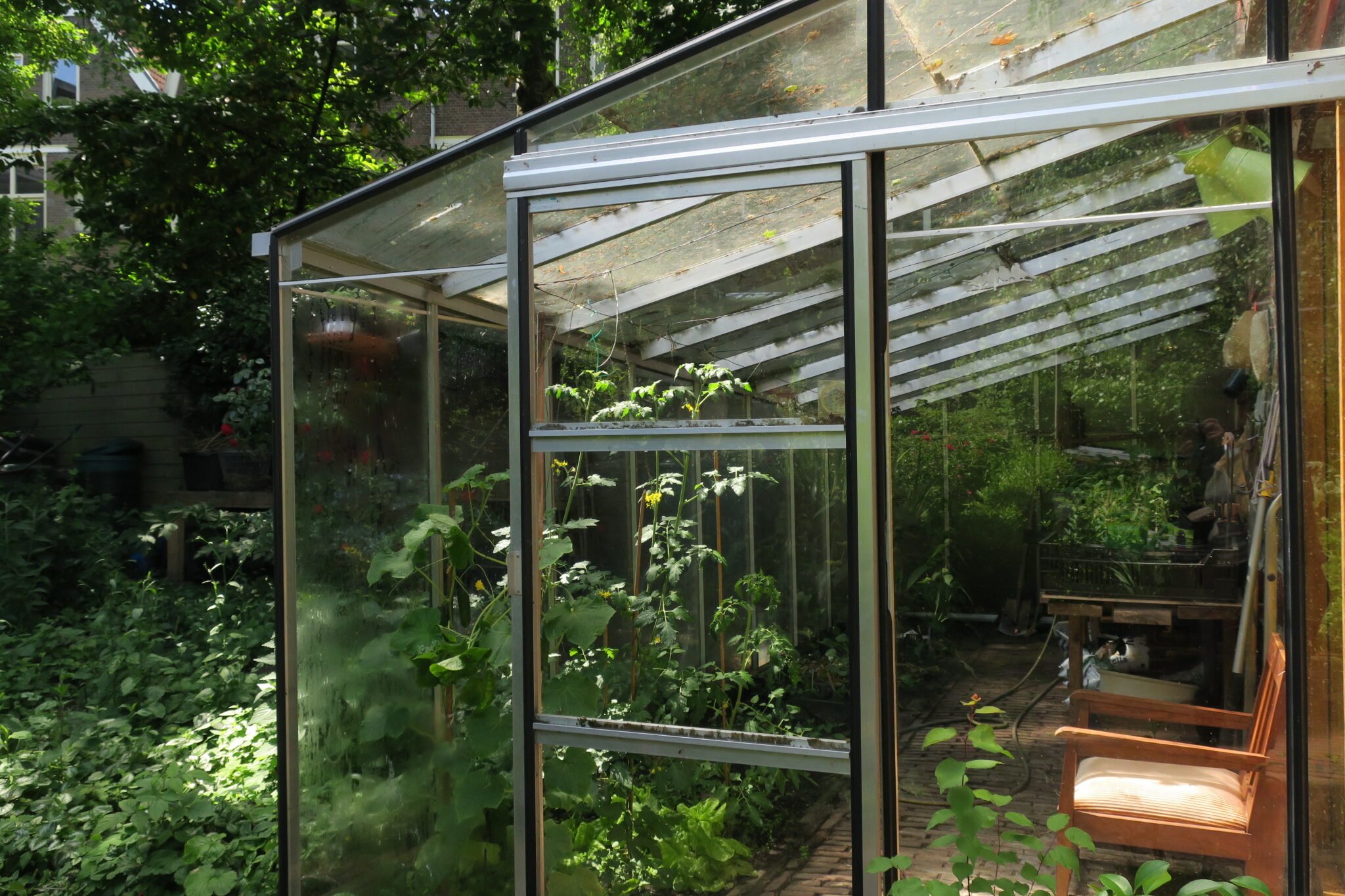
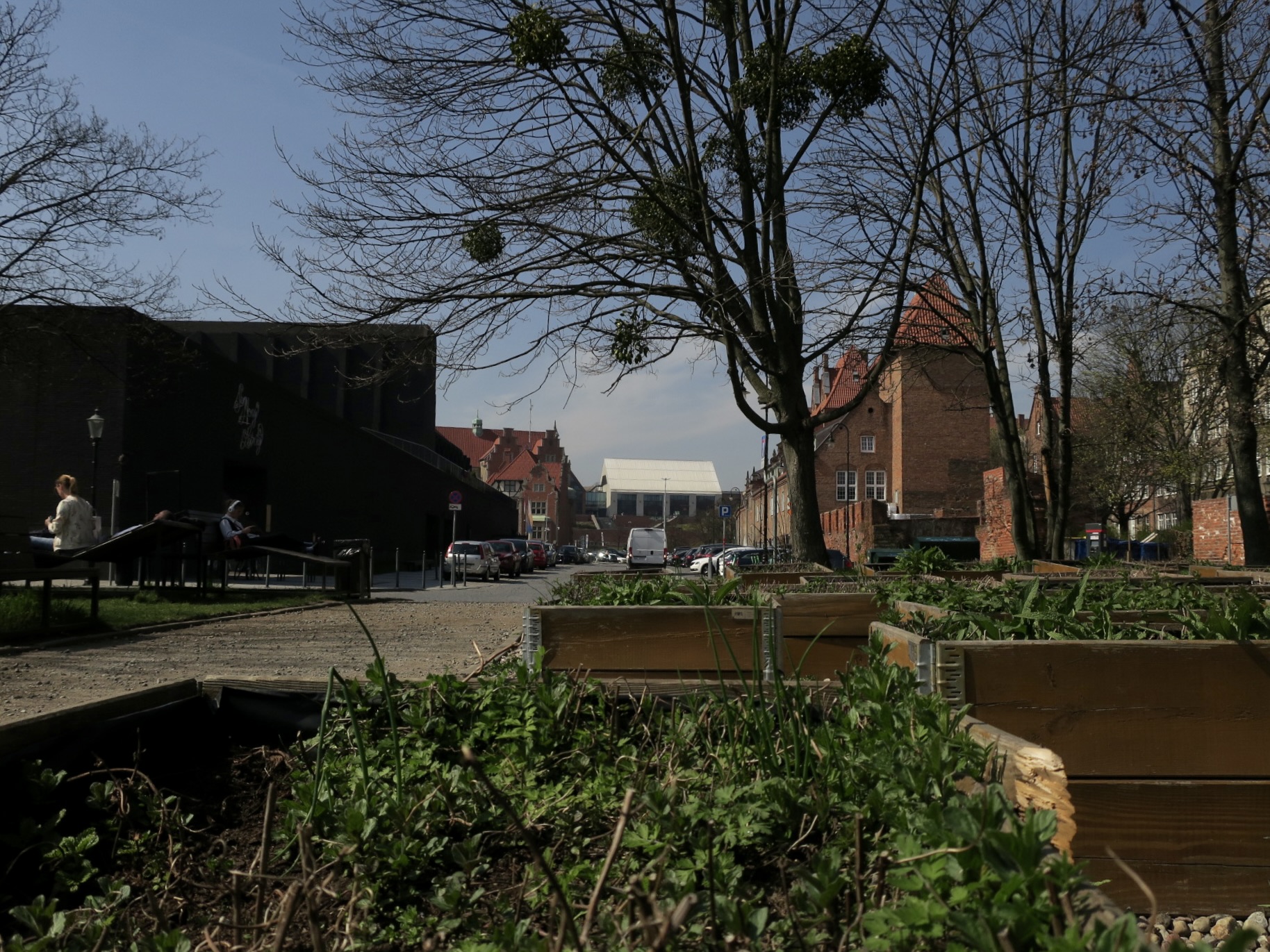
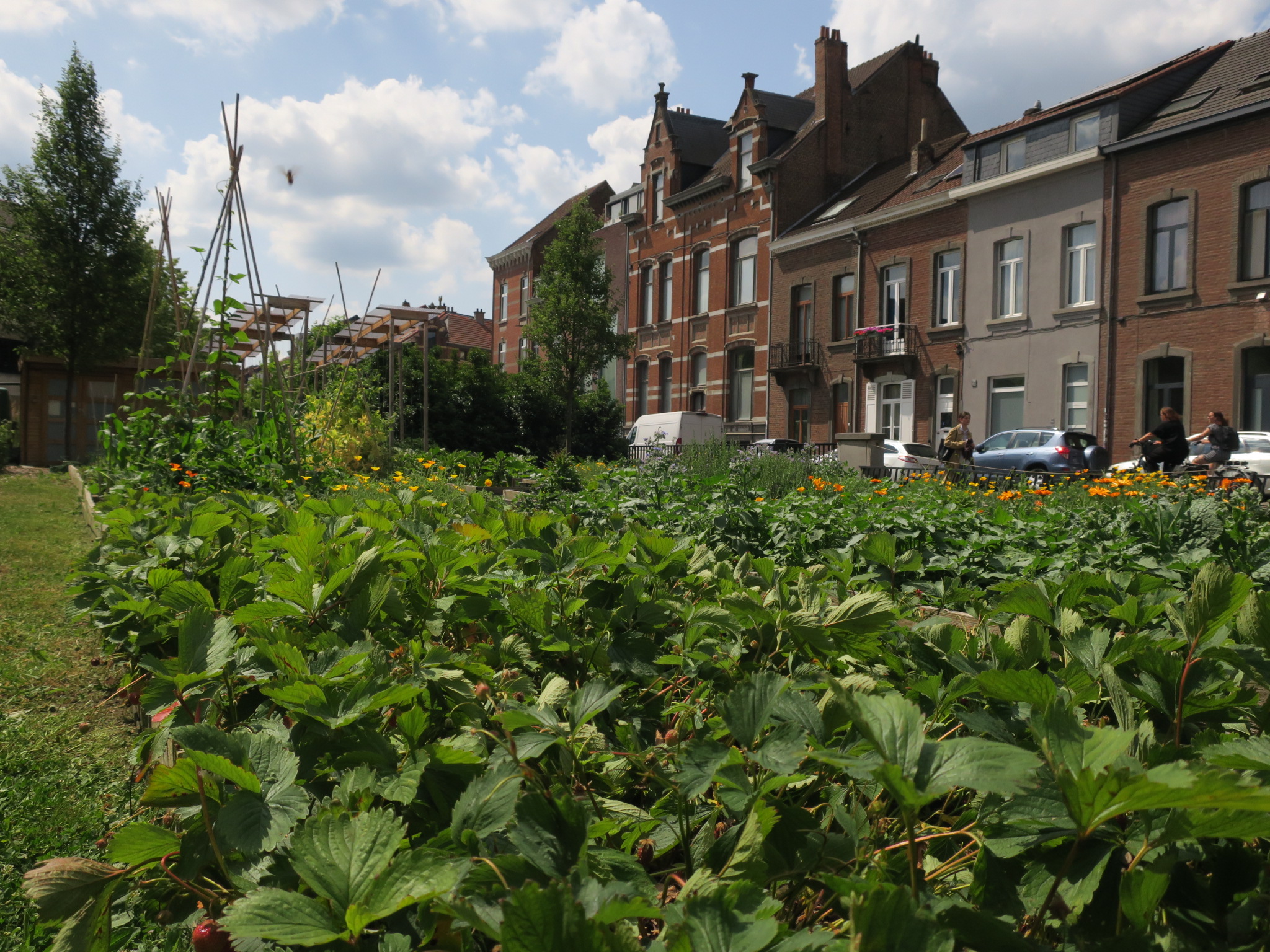
Typology concerns a classification into distinct categories and types. Those past months have shown us, that there is no one, defined, clear-cut typology of a garden. As there are different locations in our focus, there are different typologies in place. These typologies evolve with time, location, and cultural specifics. In the 20th century Rotterdam, gardens were classified into two types: workers’ gardens and public gardens – the former were intended to provide food and the latter space for rest and recreation. Nowadays, this distinction is no longer the case. Each visited garden is different: in size, in the way of working, in its overall organisation. And this is not only the case for Rotterdam (fig. 1); we observe the same in Gdańsk (fig. 2) and Leuven (fig. 3). There is no one answer to what a garden should be. There are different typologies.