AT CIRCULAR WAYS
At Circular Ways, we work to promote circular business models based on reducing food waste, supporting local food, and using secondary raw materials – in other words, reuse and upcycling of resources.
One of the great joys of being a partner in Convivium is getting to know new colleagues within our own country. This November, Katerina was a guest teacher for 14-year-olds from several lower secondary schools in Lofoten, taking part in the Youth Researcher Mission (Ungdomsforskeroppdraget), facilitated by De Grønne Øyer – Lofotrådet, who are also partners in Convivium.
The Youth Researcher Mission is all about understanding, experiencing, and identifying concrete examples of how climate change is affecting Lofoten. The young participants act as co-researchers together with scientists and professionals. On this day, researchers invited the students out into the Lofoten landscape to learn directly from nature.
Norway’s climate data has recently been updated, showing that Northern Norway is expected to experience greater average temperature increases than the rest of the country – with the largest rise occurring during winter. What does this mean for people living in Lofoten? And how can climate and environmental knowledge help equip young people for the future?
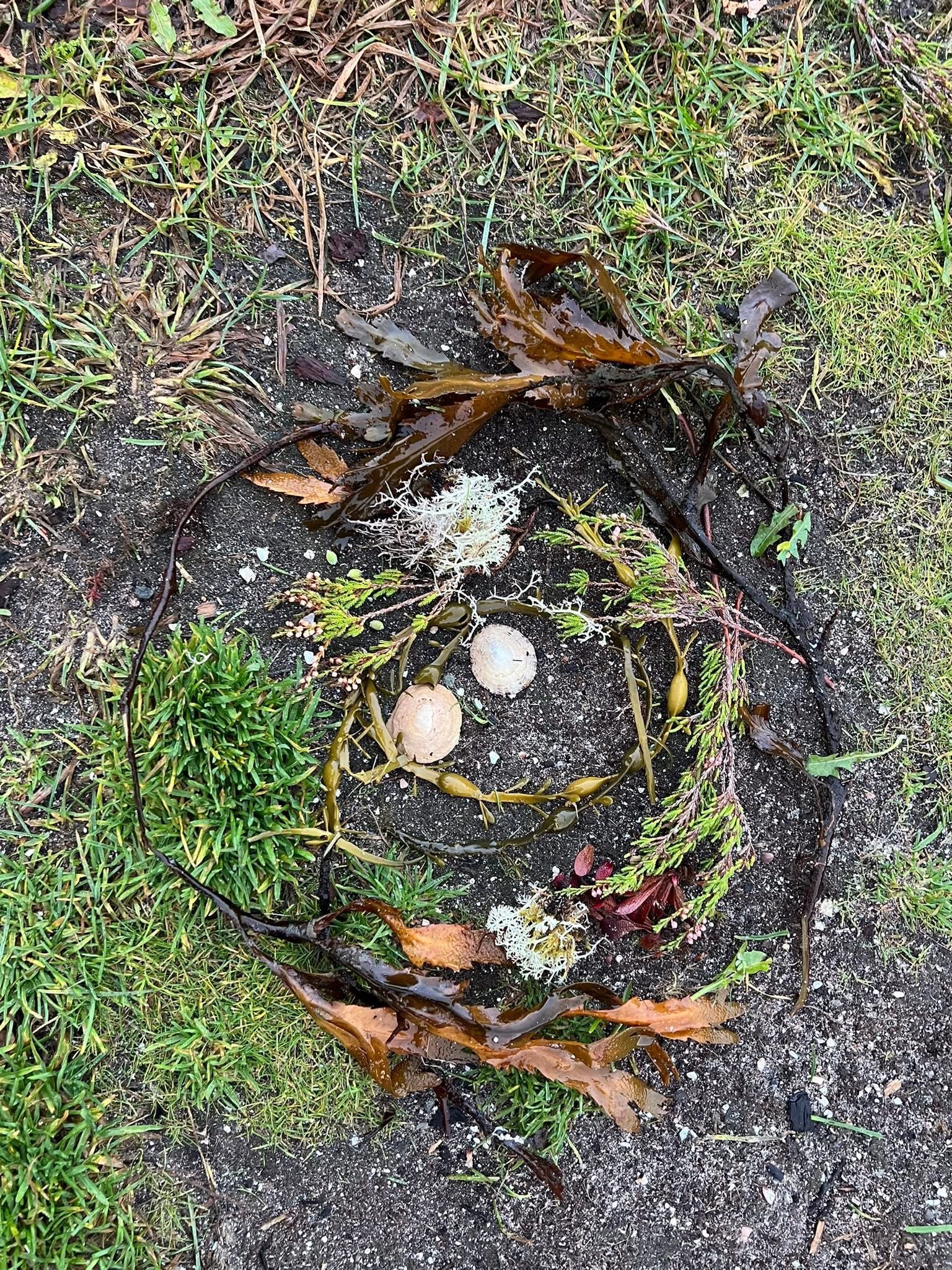
Together, we harvested edible plants from the shoreline, focusing on climate change and the opportunities that come with increased knowledge of wild, edible species.
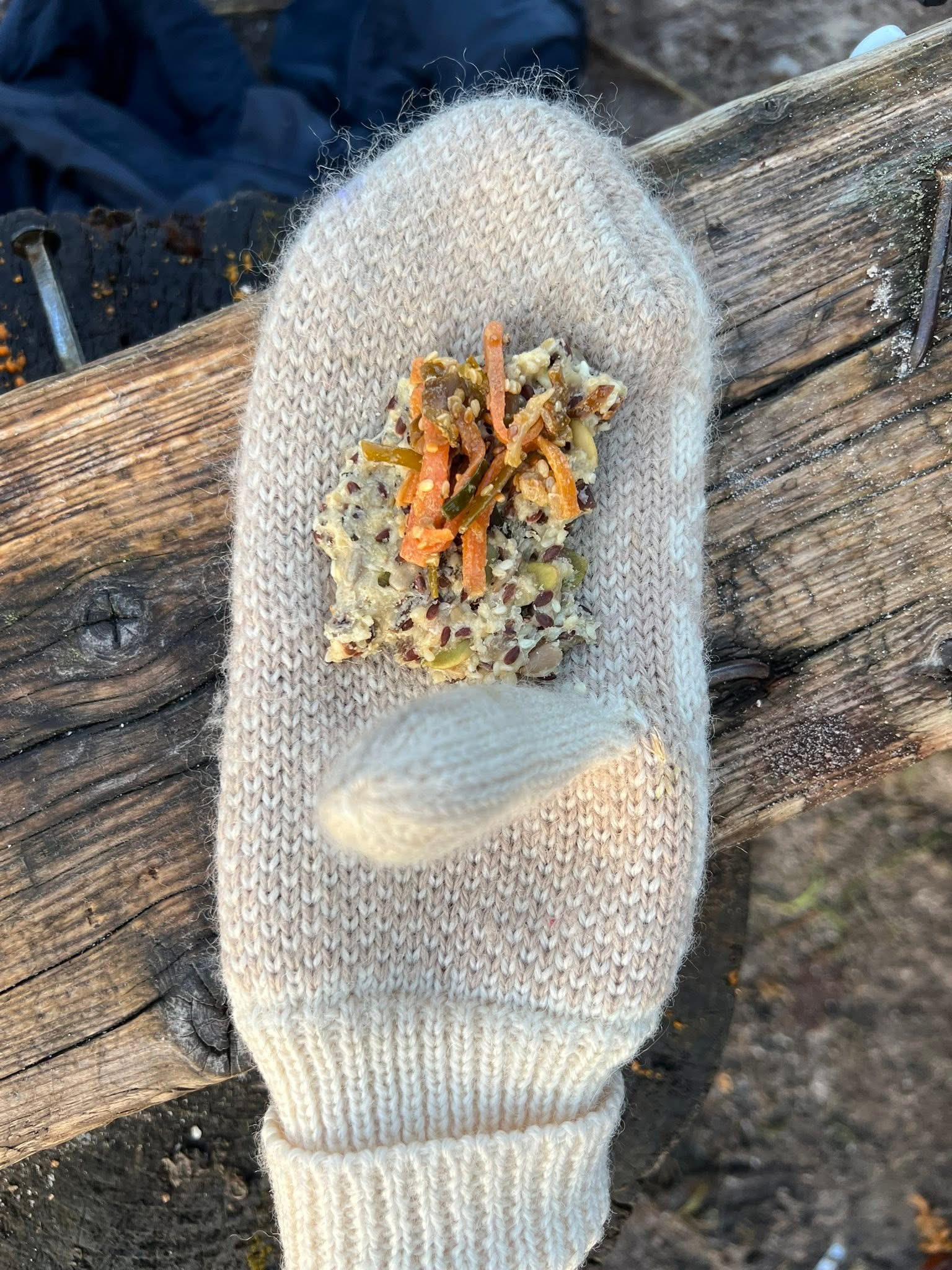
We set up a small ‘surplus table’ with seaweed salad and seaweed crispbread for everyone to try, which was met with great enthusiasm.
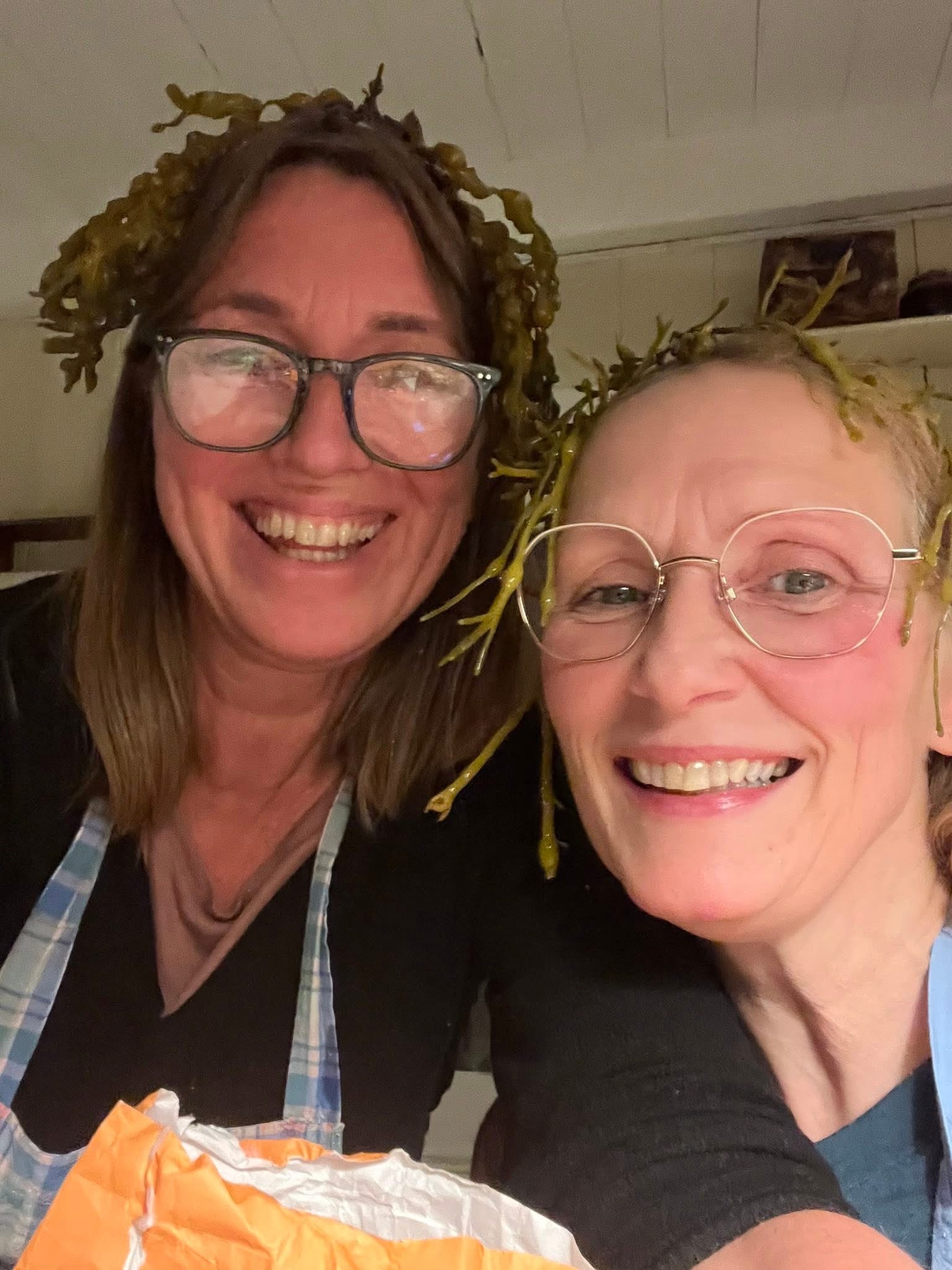
“I really enjoy harvesting and preparing local food outdoors together with children and young people. I believe food tastes better when we experience it with all our senses,” Katerina says. The students agreed – and definitely noticed the flavours.
Very inspiring to see how our colleague Lofotrådet / De Grønne Øyer put together this learning experience.