CONVIVIUM ADVANCES IMMERSIVE DIGITAL EXPERIENCES FOR FOOD HERITAGE IN UNESCO BUILDINGS IN COIMBRA
CONVIVIUM is moving forward with Work Package 4, a new phase focused on testing, assessing and refining digital tools that connect European food heritage with historic architectural sites.
Within this framework, Task 4.4 — Reconfiguring UNESCO Heritage Buildings through Food Heritage — focuses on the development of multimedia tours, virtual experiences and digital interpretation tools for heritage buildings within the University of Coimbra – Alta and Sofia, a UNESCO World Heritage Site.
This phase builds on the research and design work developed in WP3 and moves towards the testing and improvement of prototypes. The work focuses on sites such as the Monastery of Santa Cruz, the Colleges of Jesus and Arts, and the College of St. Jerome, exploring how food-related practices can offer new ways of understanding these historic buildings.
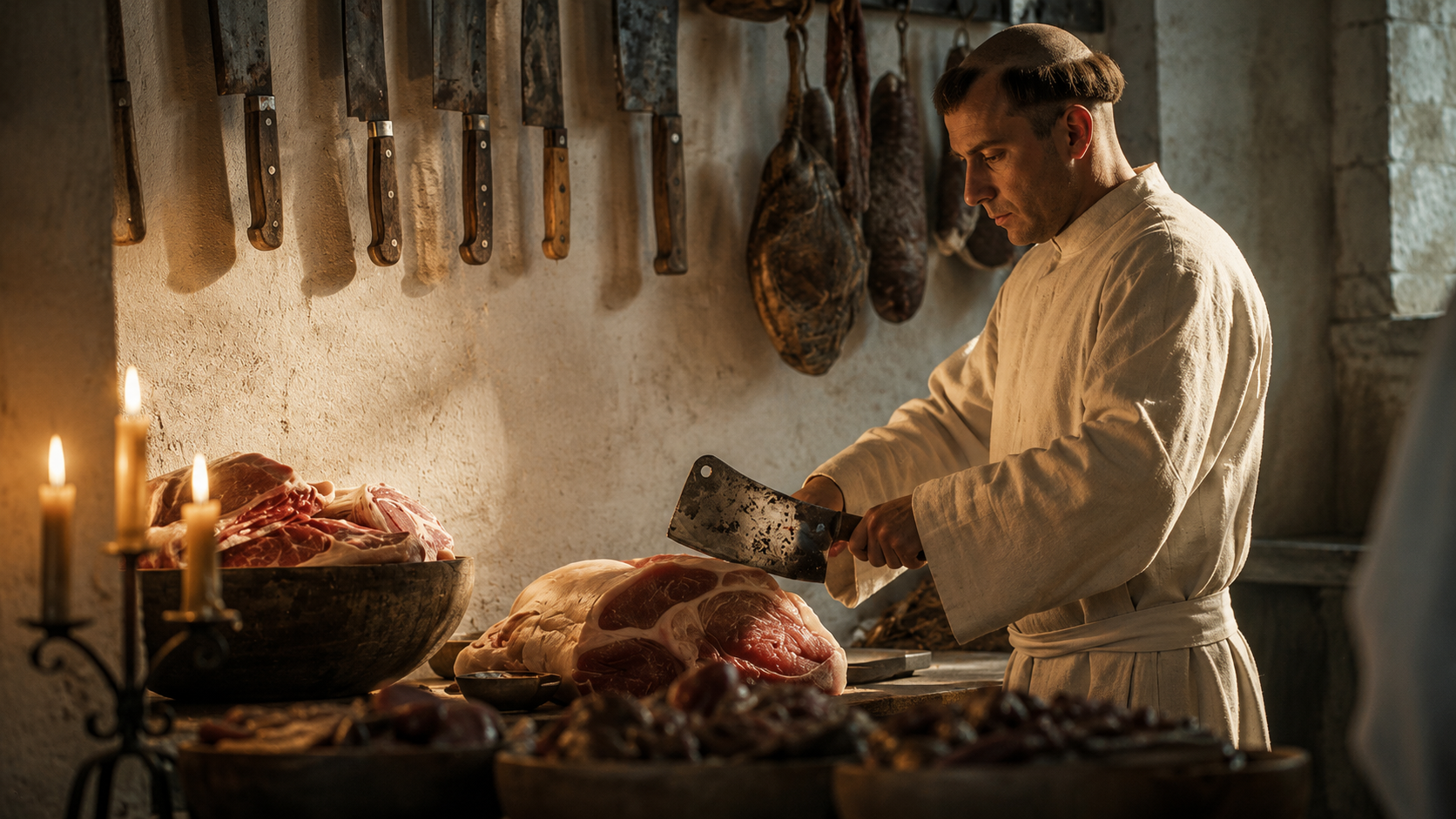
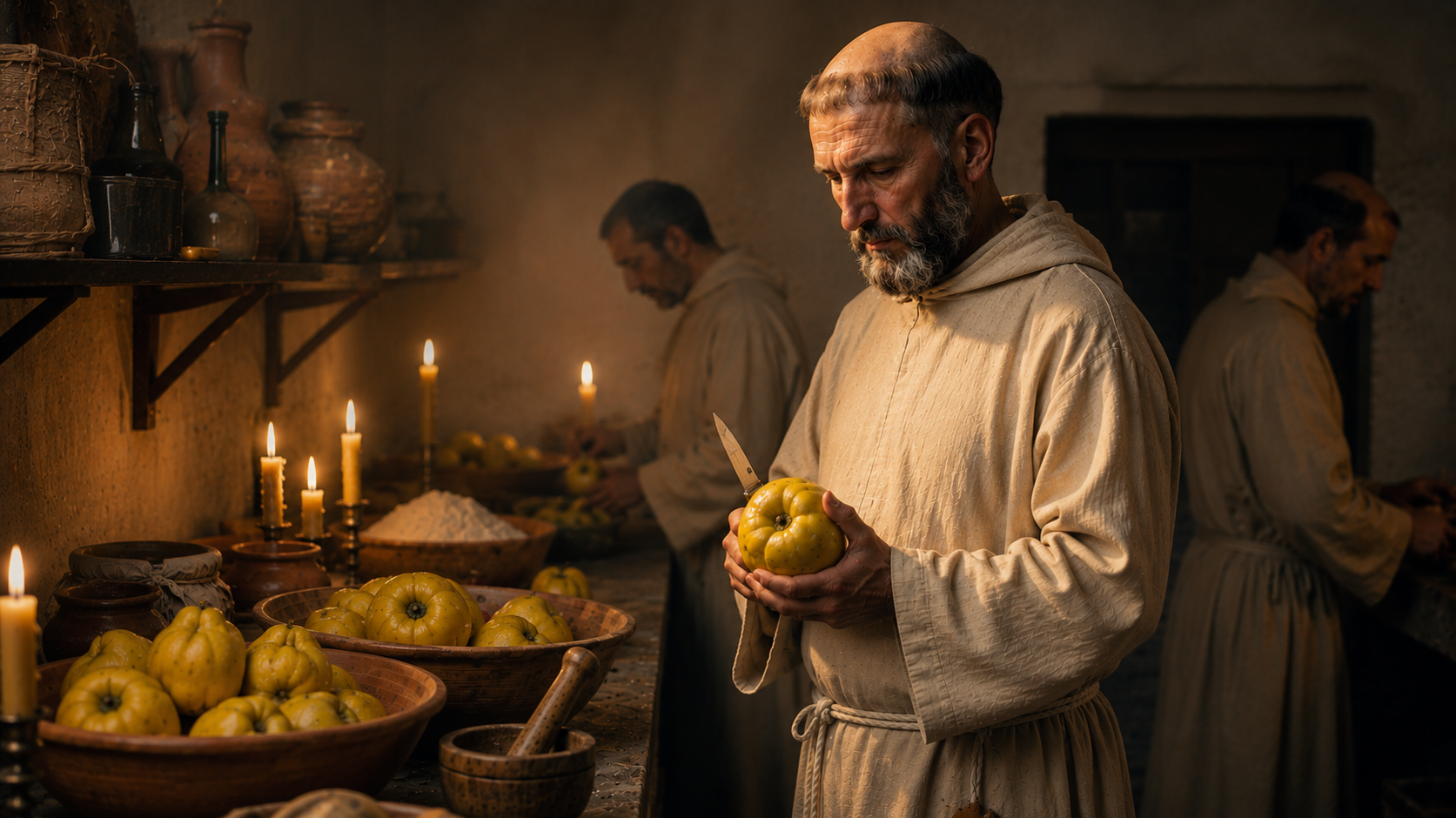
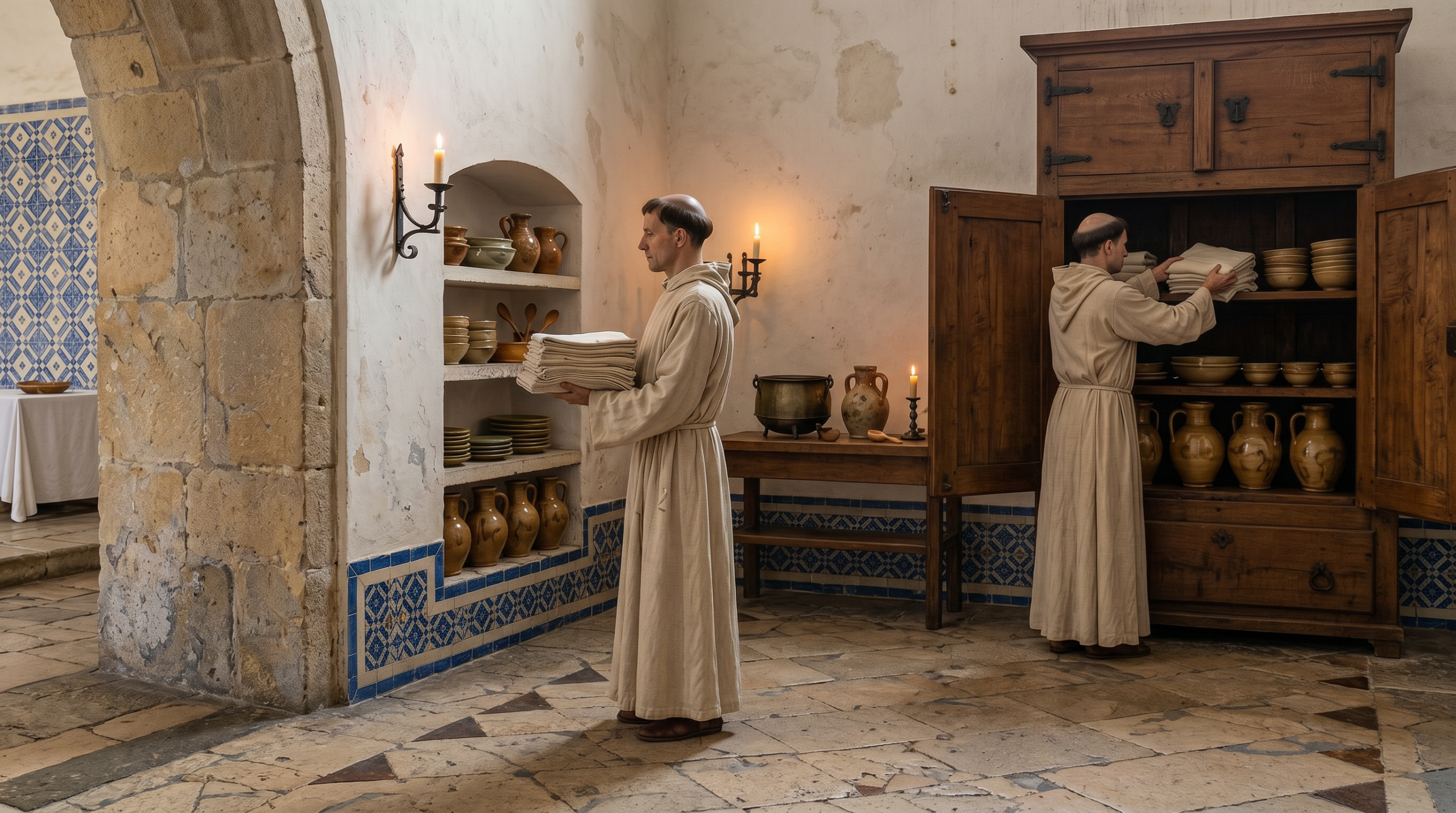
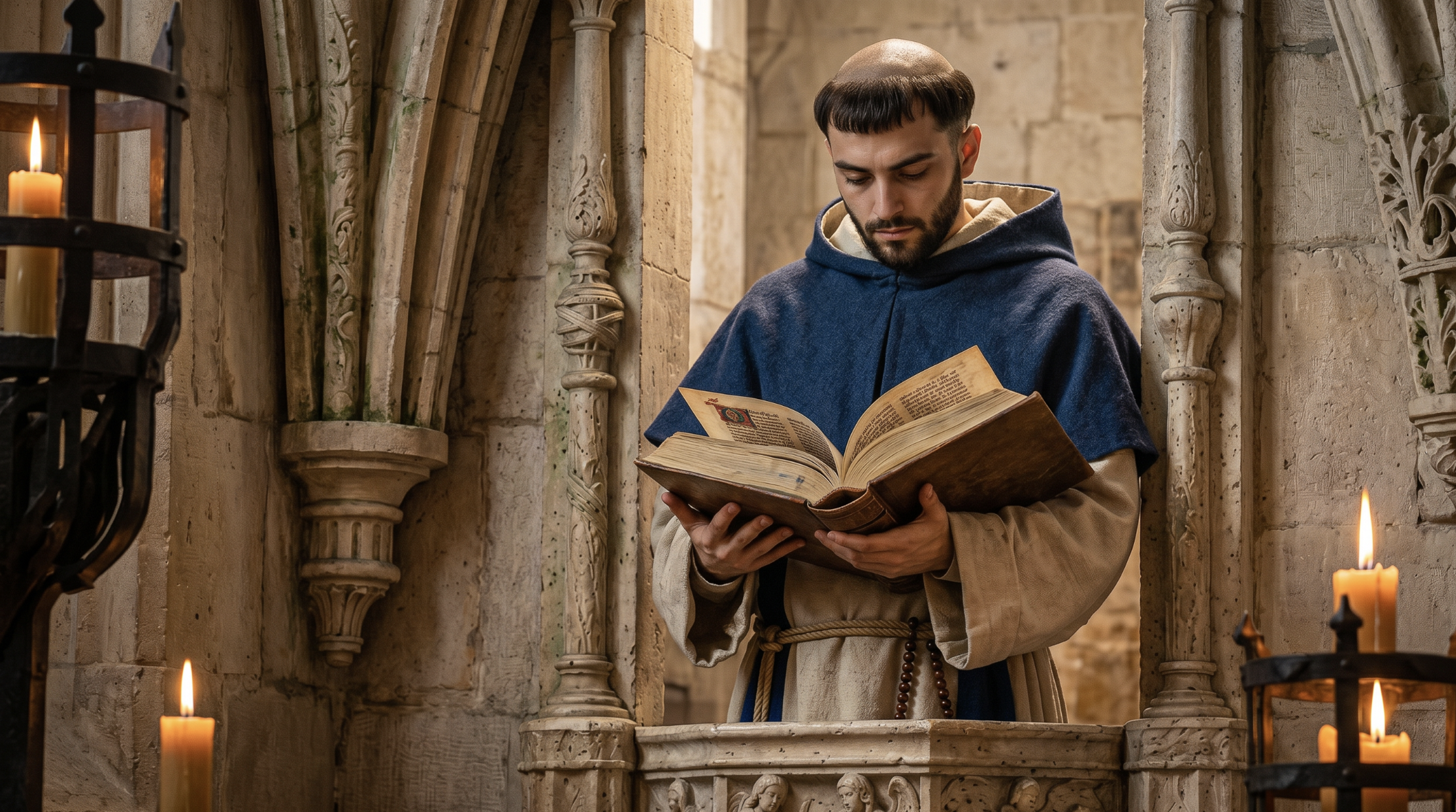
The main objective is to reveal the historical relationship between architecture, food, everyday life and community. Through virtual reality, augmented reality and digital reconstruction, CONVIVIUM aims to help visitors explore the former food uses of these buildings: kitchens, refectories, objects, rituals, menus, social interactions and processes related to the preparation and consumption of food.
Rather than using technology as a spectacle, the project approaches digital tools as a narrative medium. The aim is to bring history closer to visitors through accessible, intuitive and immersive experiences that make complex historical research easier to understand.
The digital prototypes will include architectural reconstructions, immersive scenes, historical objects, menus based on ancient manuscripts and guided narratives connected to the original spaces. These resources will allow visitors to experience heritage not only as a physical place, but also as a living environment shaped by food, memory and social life.
One of the challenges addressed in WP4 is accessibility. Not all visitors are familiar with virtual reality or complex interactive systems. For this reason, the team is also exploring guided immersive formats that allow users to watch, understand and enjoy the experience without technical barriers. This approach makes the content suitable for exhibitions, public events, guided visits and online dissemination.
The expected outcome of this phase is the development of multimedia tours for UNESCO heritage buildings, combining on-site interpretation with virtual and digital content. These tools will later contribute to the implementation of the Collaborative Lab of Past, Contemporary and Multicultural Food Heritage, where the project’s results will be displayed through exhibitions and installations open to citizen participation.
Through this work, CONVIVIUM proposes a renewed way of activating heritage: not as something static or distant, but as a living experience where architecture, food, technology and community come together.