THE OPEN GARDEN – STORYTELLING WORKSHOP AT LOFOTEN
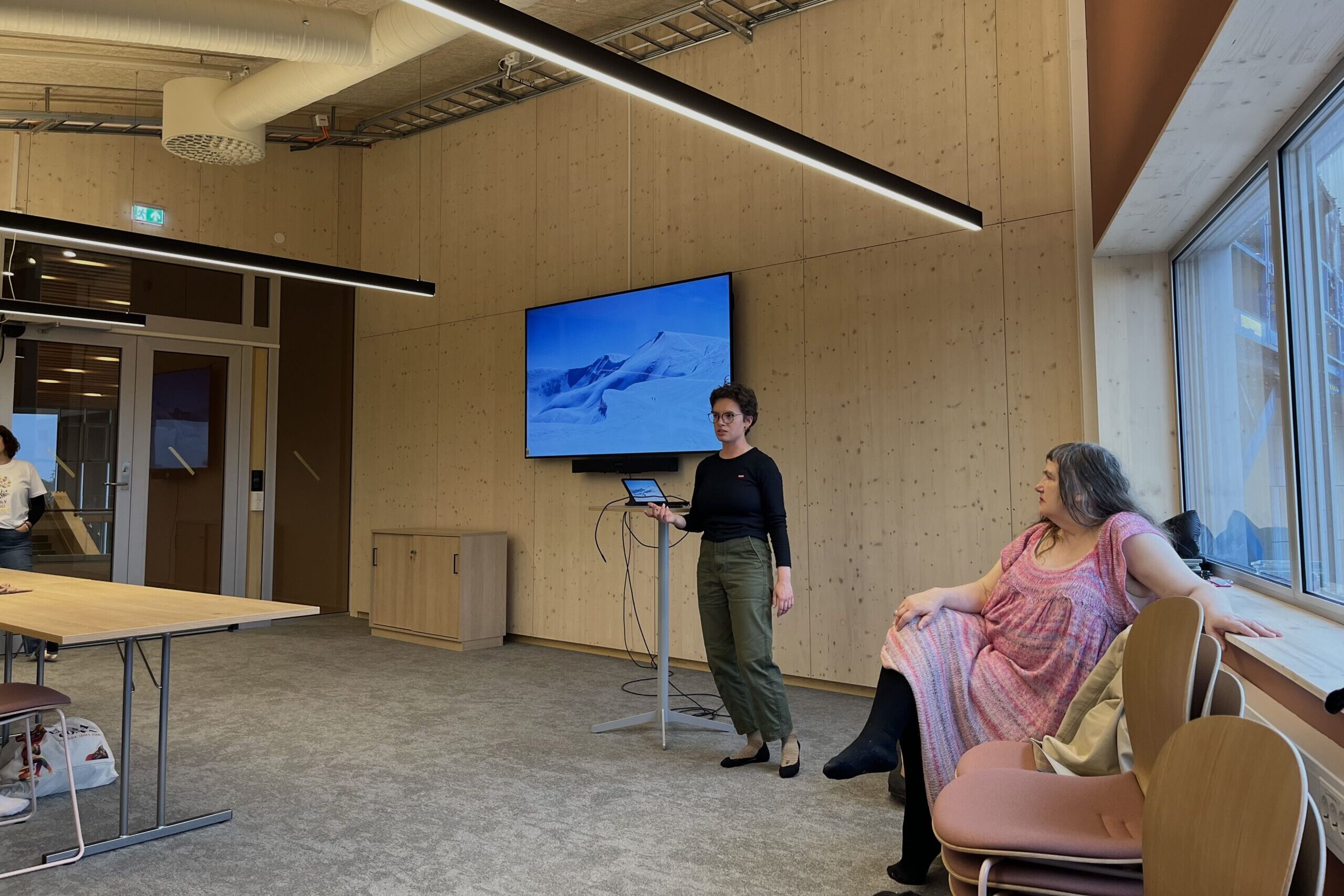
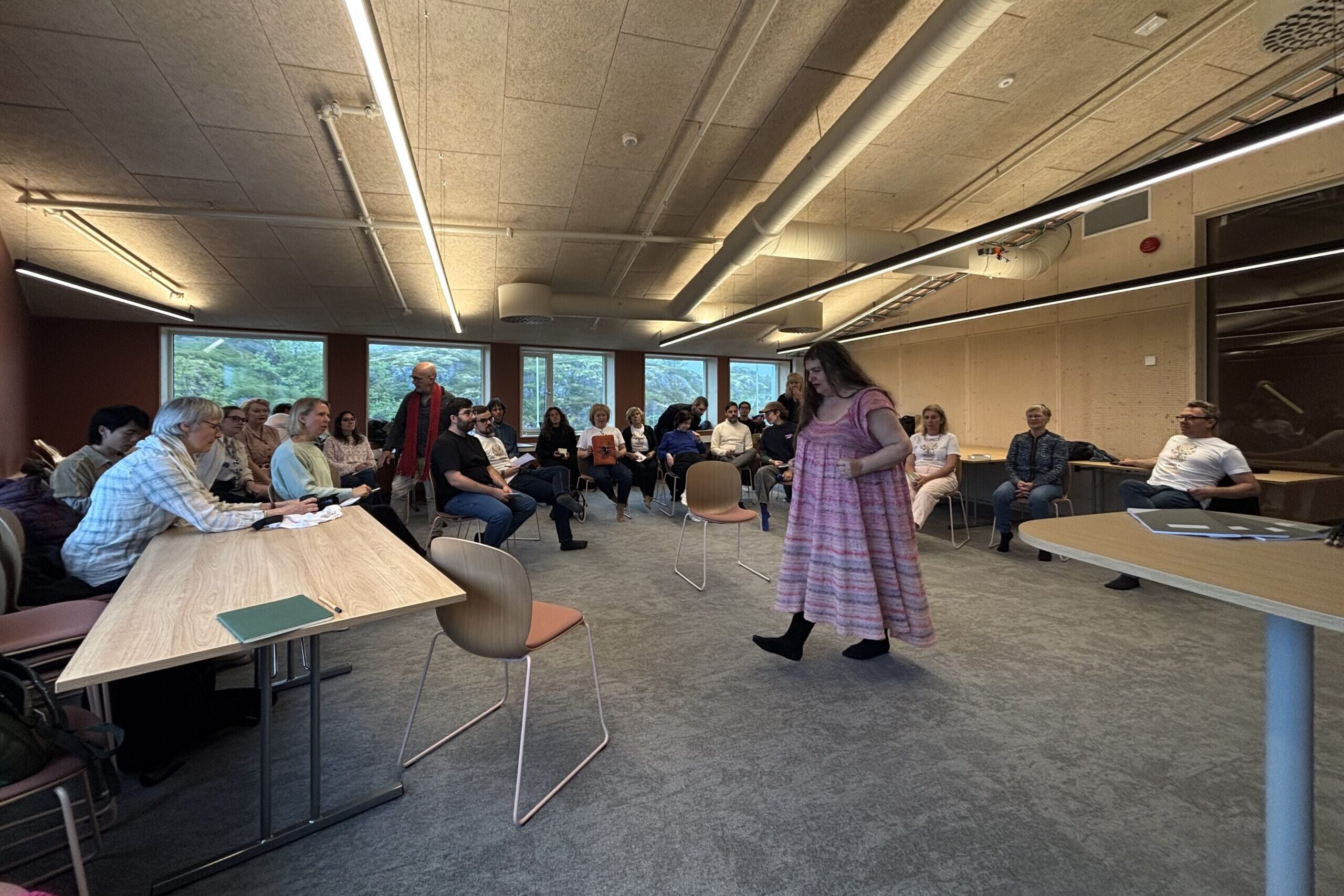
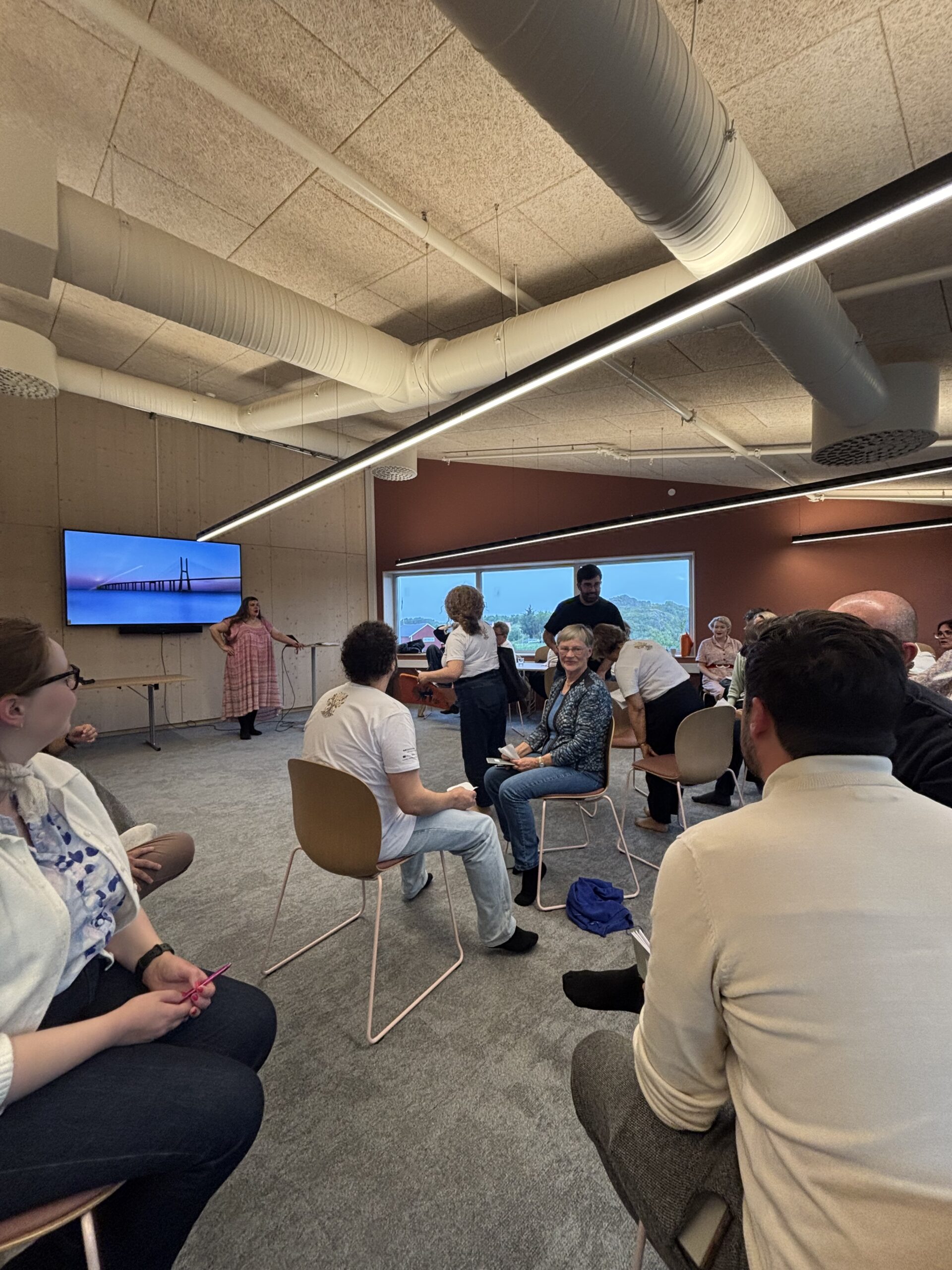
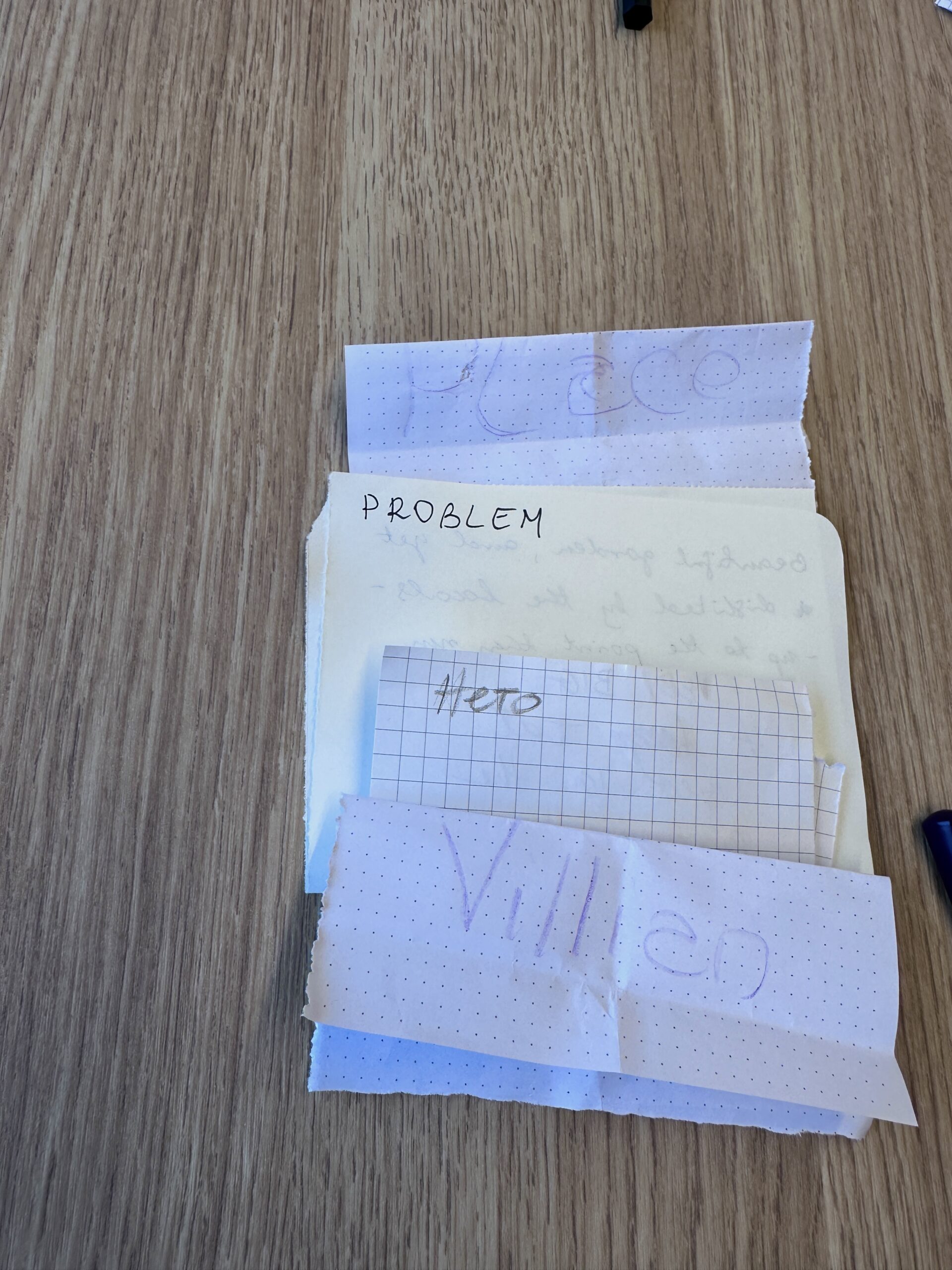
The CONVIVIUM meeting at Lofoten provided us with a set of more than memorable visits and events. During our visit to the newly opened SKREI museum, we participated in a storytelling workshop, planned by Justyna Jakubiec (UU), Heidi Dahlsveen (OsloMet) and Virginie Amilien (OsloMet). The session was briefly introduced by Justyna, who talked about the connection between storytelling and community gardening. Afterwards, the proper storytelling exercises were led by Heidi Dahlsveen. Below you can read some of the introductory words shared at the beginning of the workshop.
Community urban gardens are quite often seen through the prism of benefits or challenges. Growing fresh crops on the one hand and lack of interest from the side of local communities on the other. In Open Garden we are aiming to go beyond this perspective and create an experimental platform to look for practices that could help us do precisely this. As we are working towards a prototype which we aim to deliver in the form of a manual for future open garden kitchens, we are exploring possible practices that can help us arrive at answering the question of how it could look, what it could include. The first step, especially based on the research that has been done, is to underline that we do not aim to arrive at proposing an ideal, quintessential format of a community garden – not only because it is not possible, but because our aim is to provide possibilities for active engagement with how we think about the world through food, rather than delineate how we should.
This is why we propose to approach the Open Garden as a metaphor, an exercise of imagination. Rather than an essence of a community garden, the Open Garden, as an idea, can be seen as a network of narratives, stories, voices, practices, and challenges that, altogether, can constitute the Open Garden. The Open Garden can be seen as an exercise of imagination, an assemblage that can prompt us to imagine our food anew. But this exercise is only possible through engagement with the variety of ideas and practices that concern community gardens.
Why do we want this? To try to rid our mental and social structures of the voice of dominant imaginaries. Another reason is to test various practices and see which can be included in the manual for future garden kitchens. One of the practices that we want to include in the manual is storytelling. Now, the questions are: How can we make storytelling a space-making and community-strengthening practice? How can we bring storytelling to the forefront in thinking about and imagining gardens?