THE OPEN GARDEN | FROM TYPOLOGIES TO TOPOLOGIES
One of our main interests in The Open Garden is to explore urban community gardens as a typology of urban spaces. Behind the typological research, we mean looking for different types of garden spaces, which allows us to notice their varied characters.
At the same time, we believe that a perspective that notices relationships within and between spaces is equally important. After all, conviviality concerns interdependence and assuming different ways of joint responsibility for our ways of living. It is about all the various processes and relations that form the spaces in which those processes and relations take place.
To approach this point of view, we experiment with a topological approach that prioritises relationships and connections within and between spaces. This includes transformations, variations, and activities that, at first sight, do not necessarily ‘belong’ to a given space.
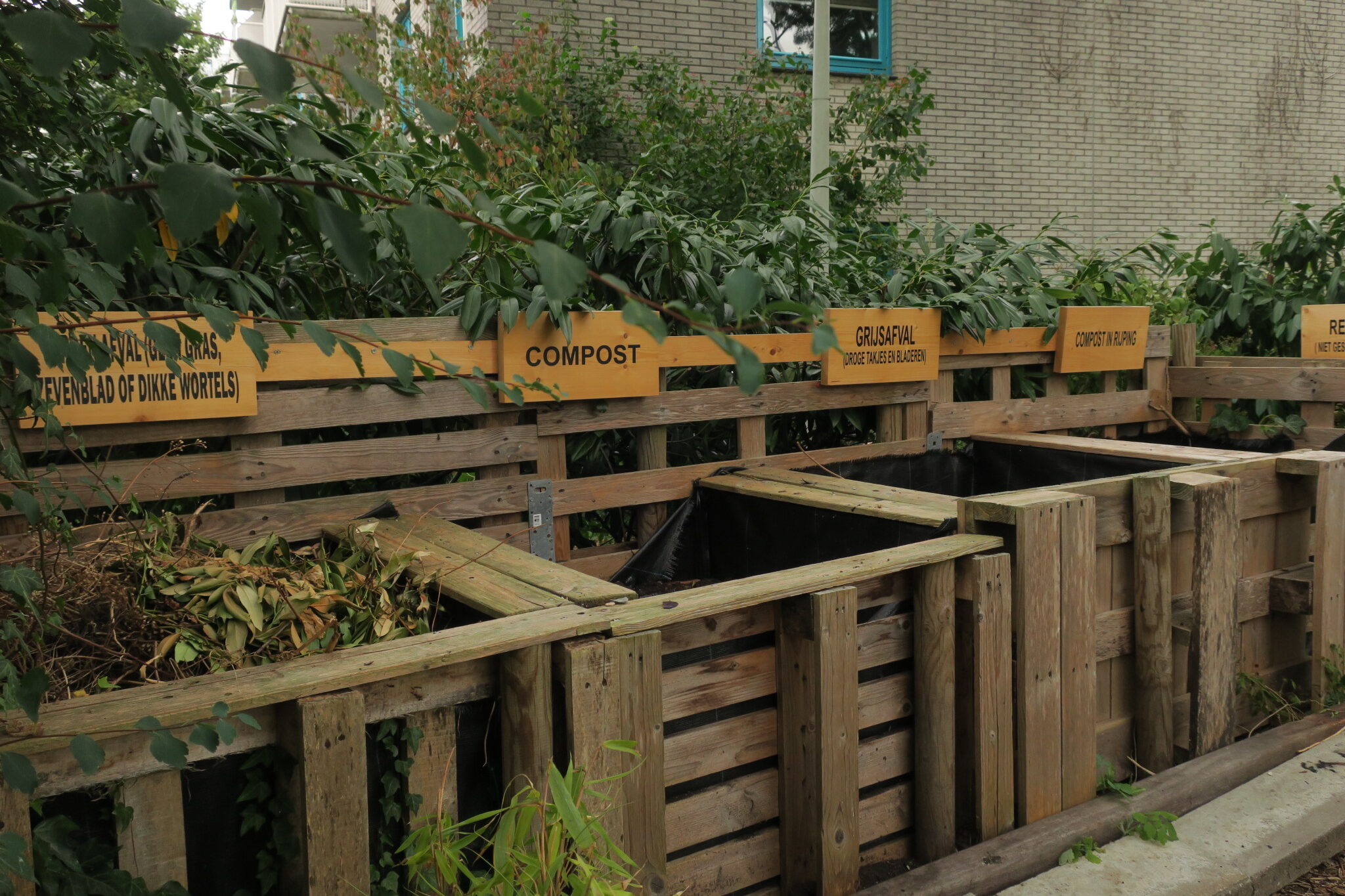
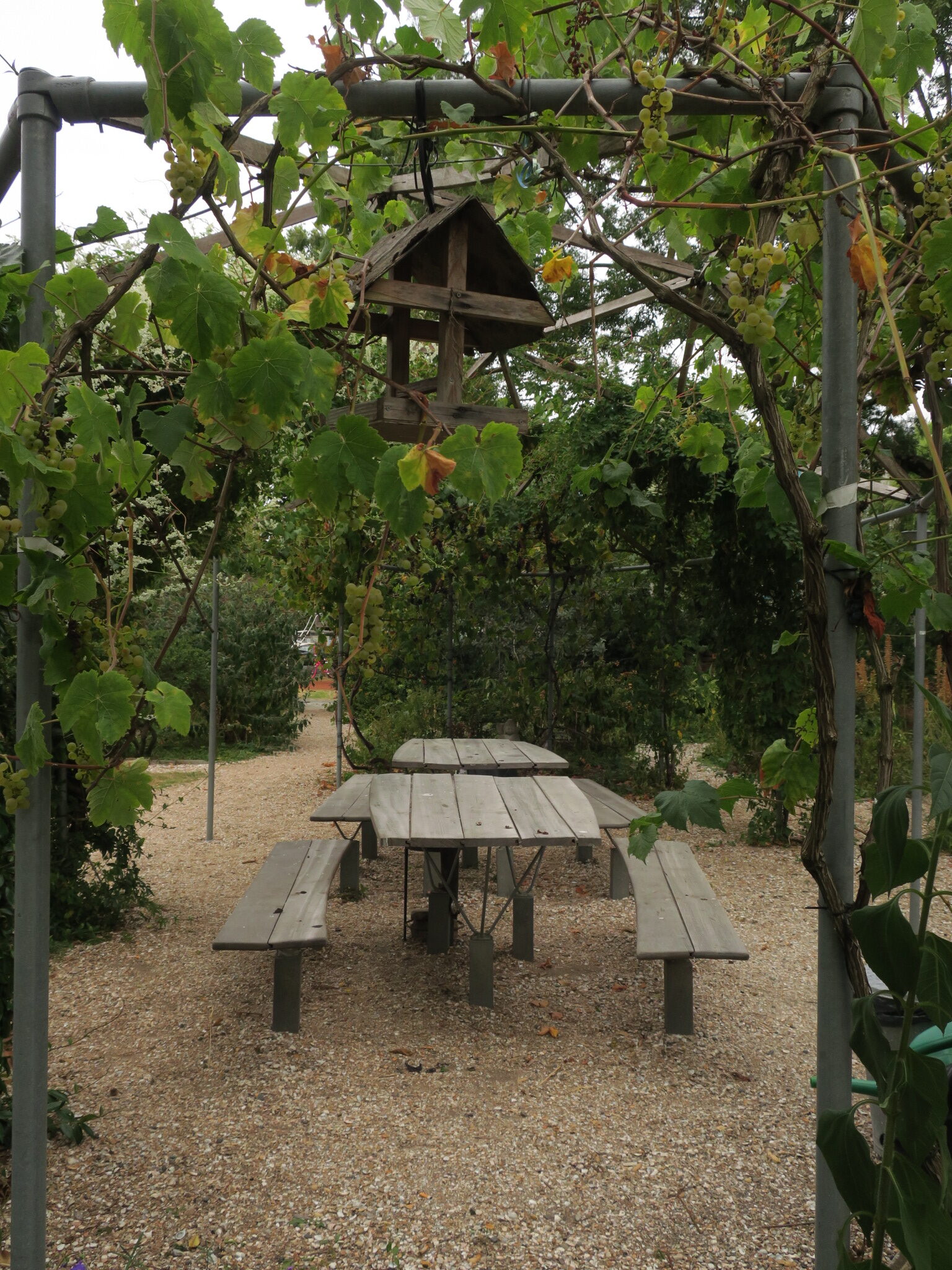
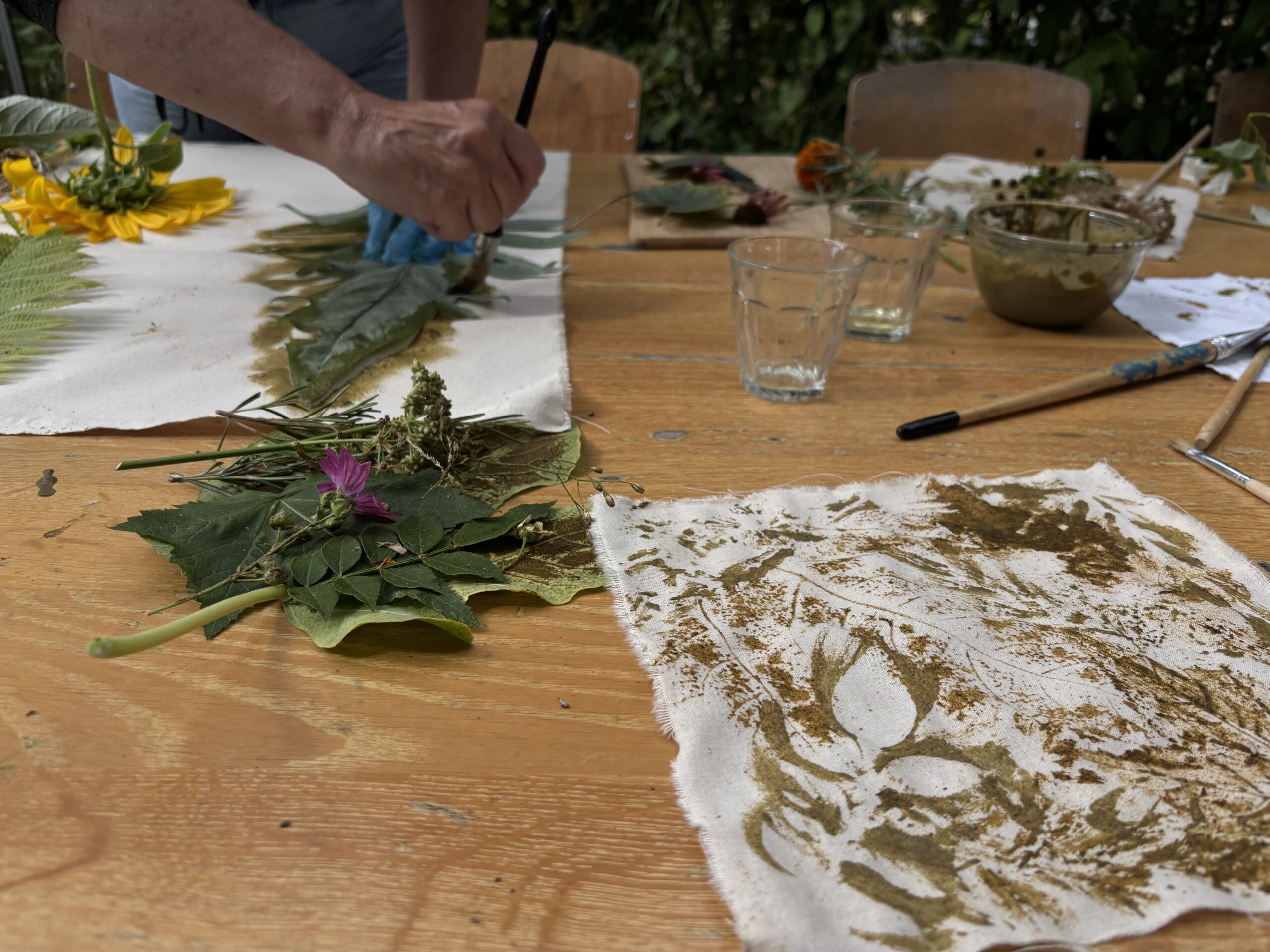
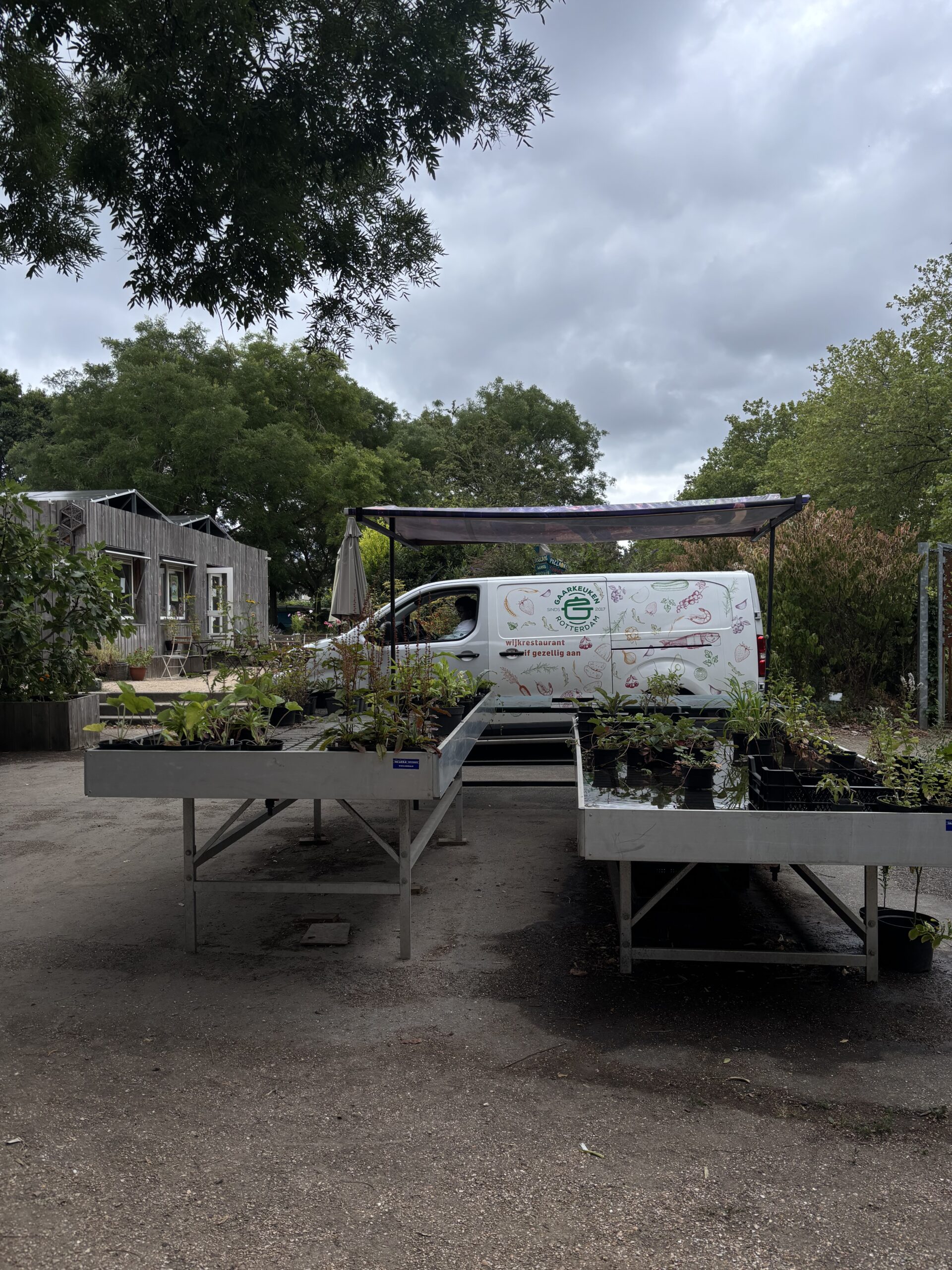
Urban community gardens provide a perfect inspiration for developing such a topological approach. They are not only spaces for growing fresh crops, but also for social gatherings, education about composting, or artistic activities. Communities gathering in gardens are not fixed; they change, sometimes especially thanks to the extracurricular activities. The ‘more-than-garden’ activities and collaborations are precisely what we want to notice. The collaboration between urban gardens and soup kitchens is the one that we find most appealing (Rotterdam, fig. 4. Rotterdamse Munt social garden collaborating with Gaarkeuken (soup kitchen)).