COMMUNITY GARDENS IN FLANDERS
On June 17th and 18th members of Convivium’s solutions The Open Garden, The Open Kitchen, and Intercropping Revisited came together in Flanders to visit sites and community gardens and to meet members of our partners at the CAG (Centre for Agrarian History). We often think of community gardens as purveyors for local, seasonal, and community-driven produce, while satisfying the need of urban residents for (re)connecting with nature and neighbors. Yet, from our visit we learned that gardens are always more-than-gardens, just in the same way food is always more-than-food. From our talks with garden founders, stewards, and volunteers, we had glimpses of the myriad stories that nurture and sustain them, which, depending on who tells the story, single out or combine themes such as intergenerational knowledge transmission, everyday conviviality, resilience from traumatic experiences, educational endeavors, and local ecopolitics with both its joys and its tribulations. We are grateful to our interlocutors for sharing their diverse experiences with us. Below are some highlights of the research visits.
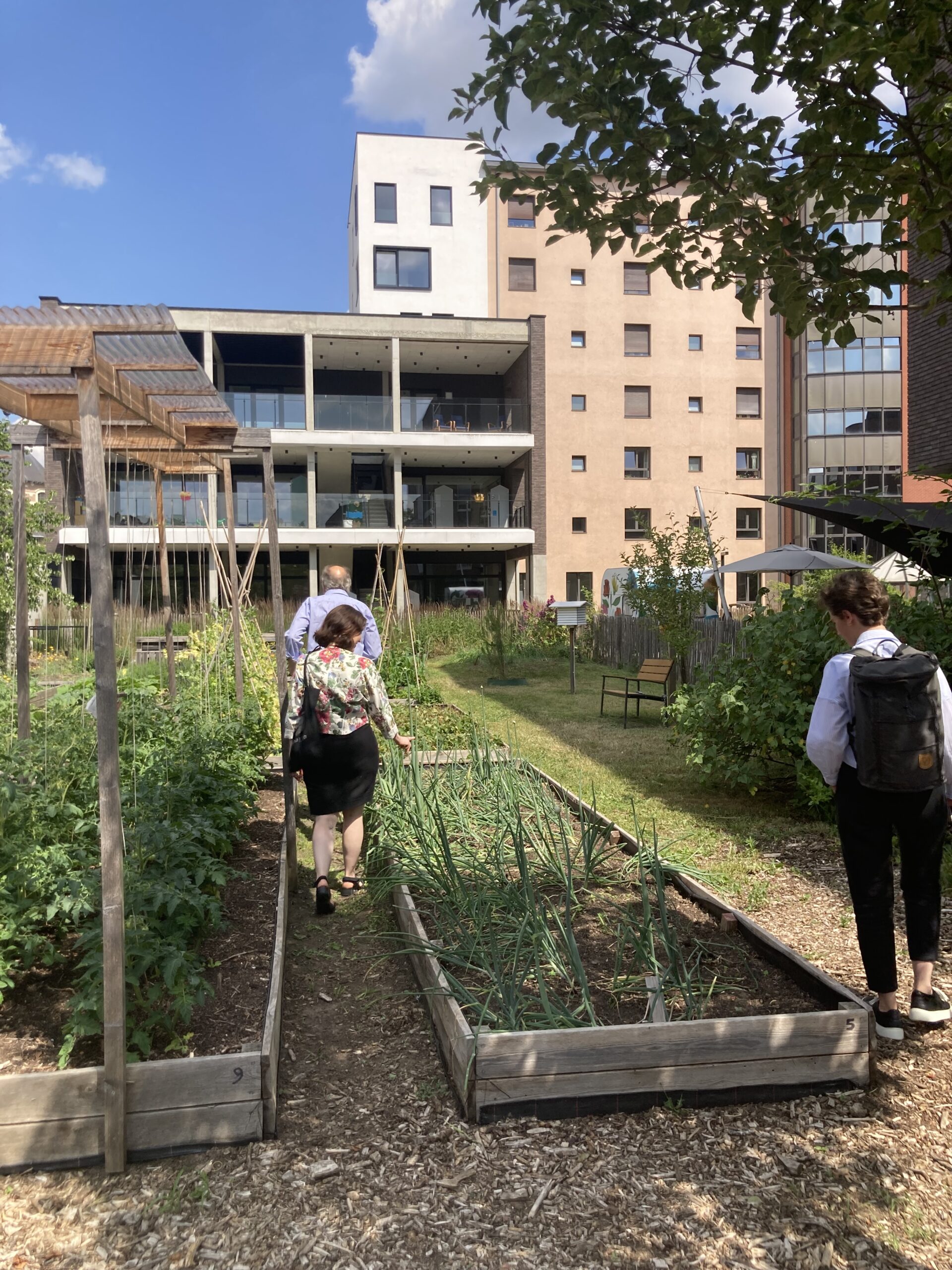
Photo 1: Guided visit with a volunteer farmer in the community garden Buurttuin next to Hal 5, a cultural center on the edge of Leuven.
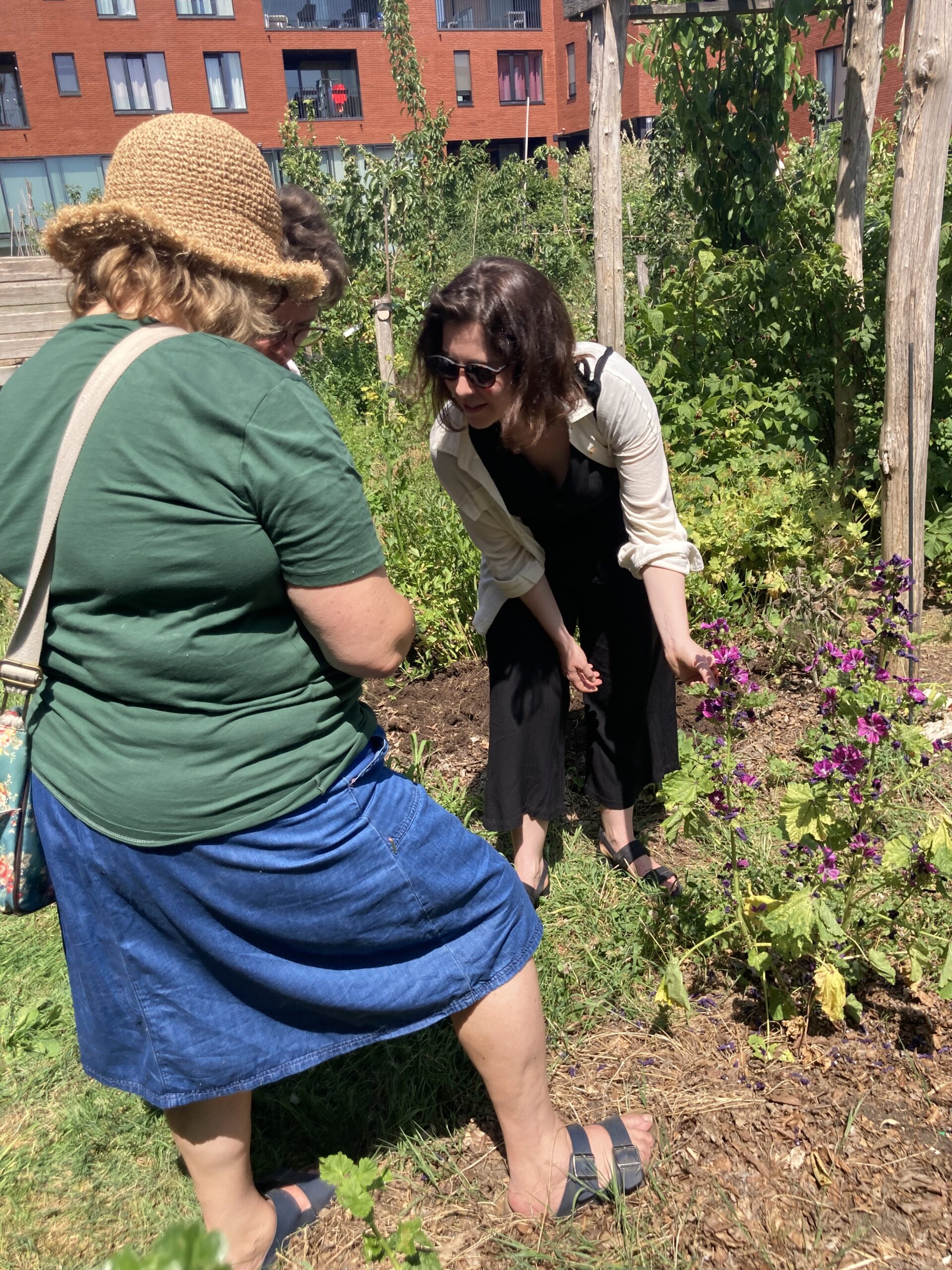
Photo 2: Jac, leading the visit of De Flintstuin community garden, located between a retirement home and a nursery school.
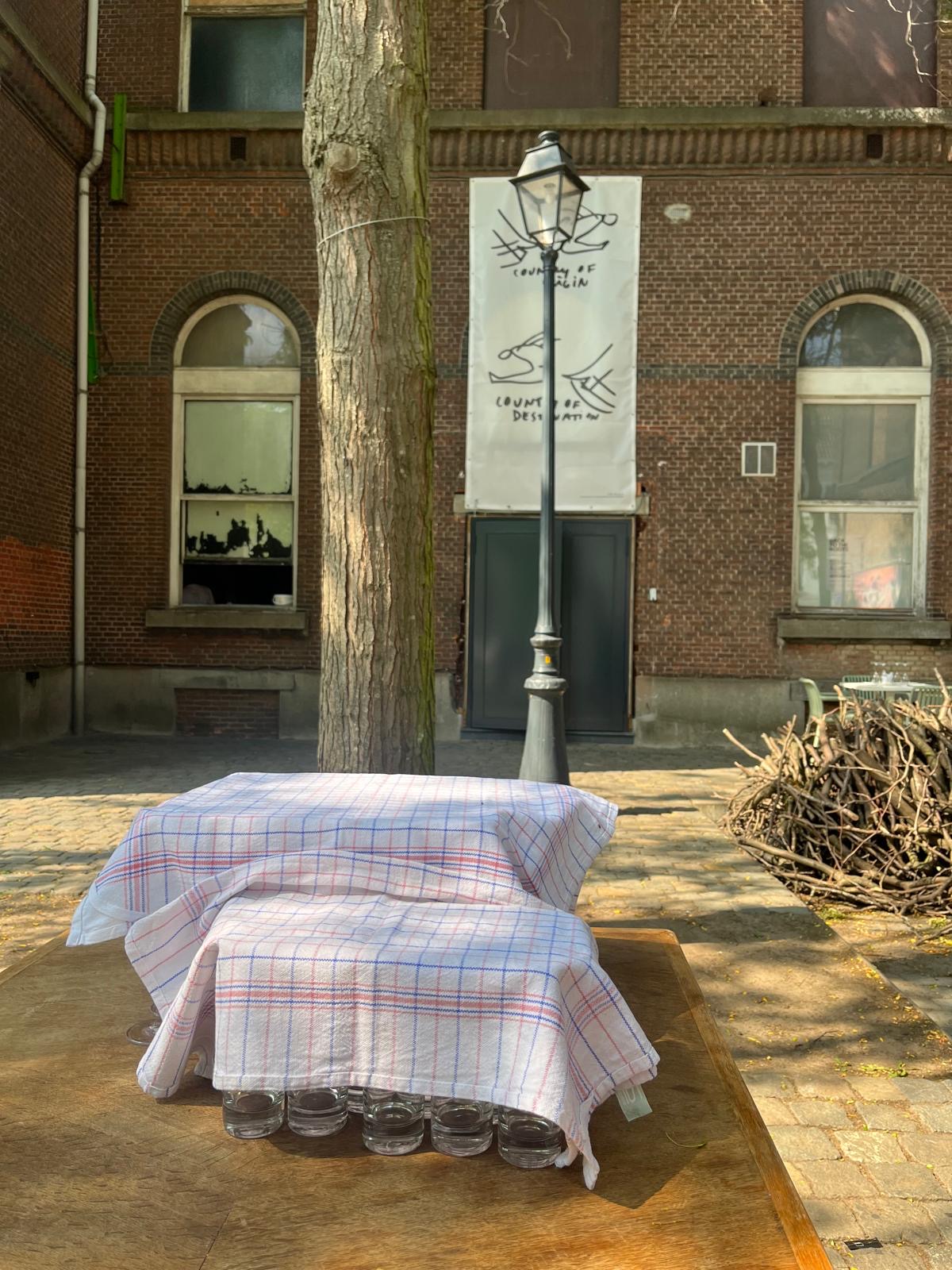
Photo 3: Table and picture at the restaurant De Instroom which employs refugee chefs (which they prefer to name New Europeans) in their restaurant, which doubles as a free soup kitchen for those in need at lunchtime, and as a highly rated art-centered culinary experience at night.
Photo 4: Team members Raul Matta (Institut Lyfe Research and Innovation Center), Kevin Lai and Justyna Jakubiec (Utrecht University), and Jenny Herman (Université Paris – Panthéon Sorbonne).