FROM DIALOGUE TO SHARED HOSPITALITY
Field notes from the second hybrid forum at the Napp community house (grendehus), Lofoten, 3 February 2026
On 3 February, we returned to the Napp grendehus for our second Hybrid Forum—an open, practice‑based research experiment exploring hospitality in action. The aim was ambitious: blend three methods in one gathering and see how they reshape a community meeting place. We combined structured dialogue (the Hybrid Forum), future visioning (the Utopia Workshop), and a shared meal (the Surplus Table), then observed what helped or hindered participation so we can iterate with evidence.
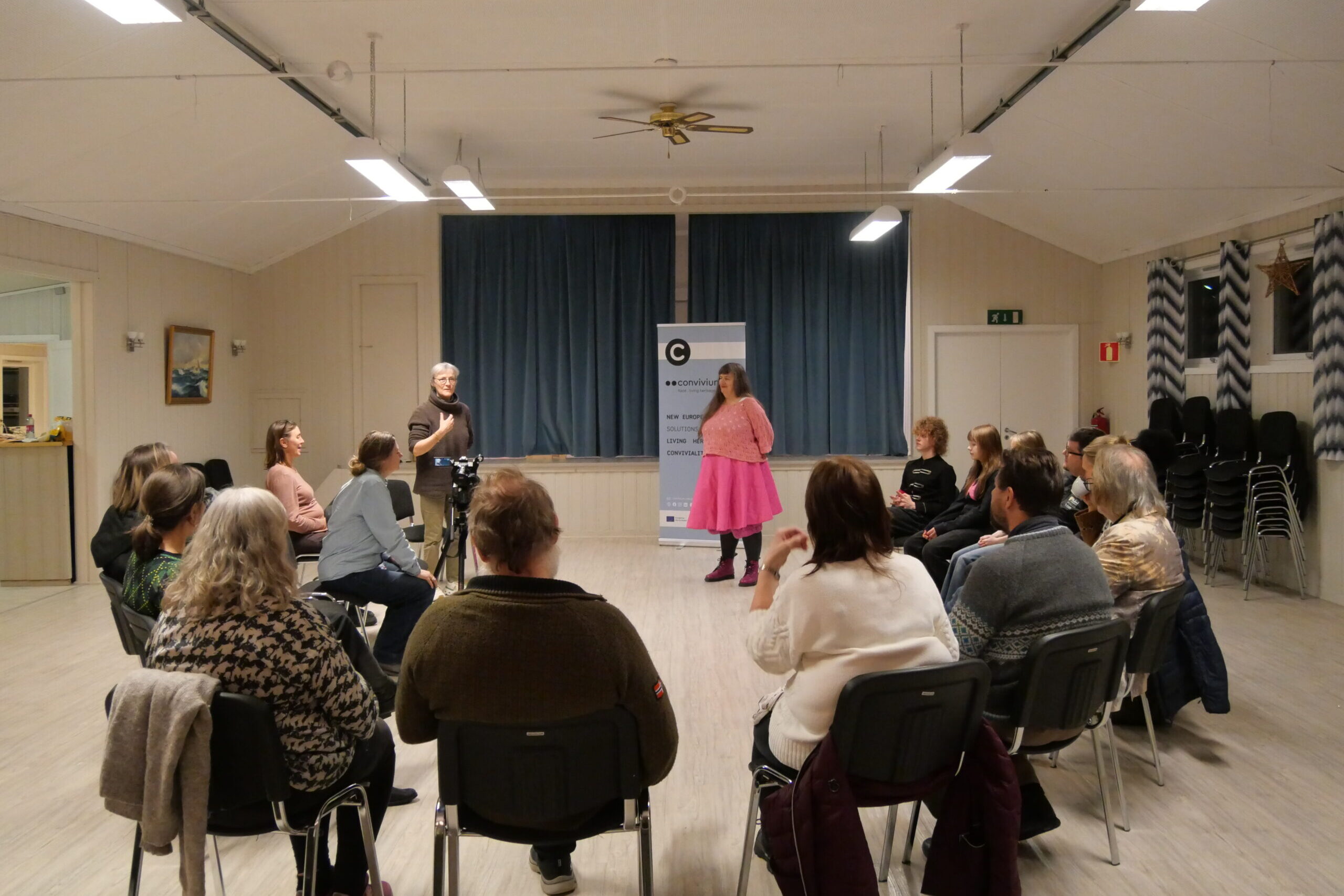
Last‑minute constraints meant we started ninety minutes later than planned, which compressed the dialogue segment. Even so, the afternoon began with a brief introduction to dialogue—listening to understand rather than debating to win—followed by an icebreaker where everyone shared a positive or negative experience of hospitality. Those stories did important research work: they built trust and moved people from opinion to imagination. Storytelling anchored the evening too; Heidi Dahlsveen postponed her performance to the public forum and wove the think tank’s threads into a live tale that opened space for reflection. Around 11 people joined the first part, including five students from Leknes (four later shifted to the kitchen), and two new people came for the last session and were present in the evening. The mix of generations enriched the conversation, and several attendees said they would return.
We learned again that hybrid formats thrive on gentle structure. Even in a much shorter format—since the first part of the Hybrid Forum was trimmed to a brief introduction and a dialogue built on personal stories that set up the Utopia Workshop—the conversations were remarkably rich. The stories showed many ways to be hospitable that aren’t always about shared meals or food, though a cup of coffee remains a common gesture. The discussion brought up changes over the past 40 years: mass tourism, immigration, and above all bureaucracy—stricter rules shaping both social and individual life. Everyday routines feel more constrained than before; you often need to set a time even just to have a coffee. Older participants shared a slightly nostalgic view of a past when things felt different, with more freedom and more hospitality, even if non‑locals were not always welcomed.
The Utopia Workshop took the same theme in a different direction: imagine hospitality two generations from now. Thinking far ahead proved difficult; conversations slipped back toward the past with a touch of nostalgia, suggesting that memory often shapes future vision. We also saw how administrative rules—and even everyday tools like smartphones—can limit more hospitable, socially inclusive practices. Participants nonetheless left satisfied with both the dialogue and the scenarios they sketched.
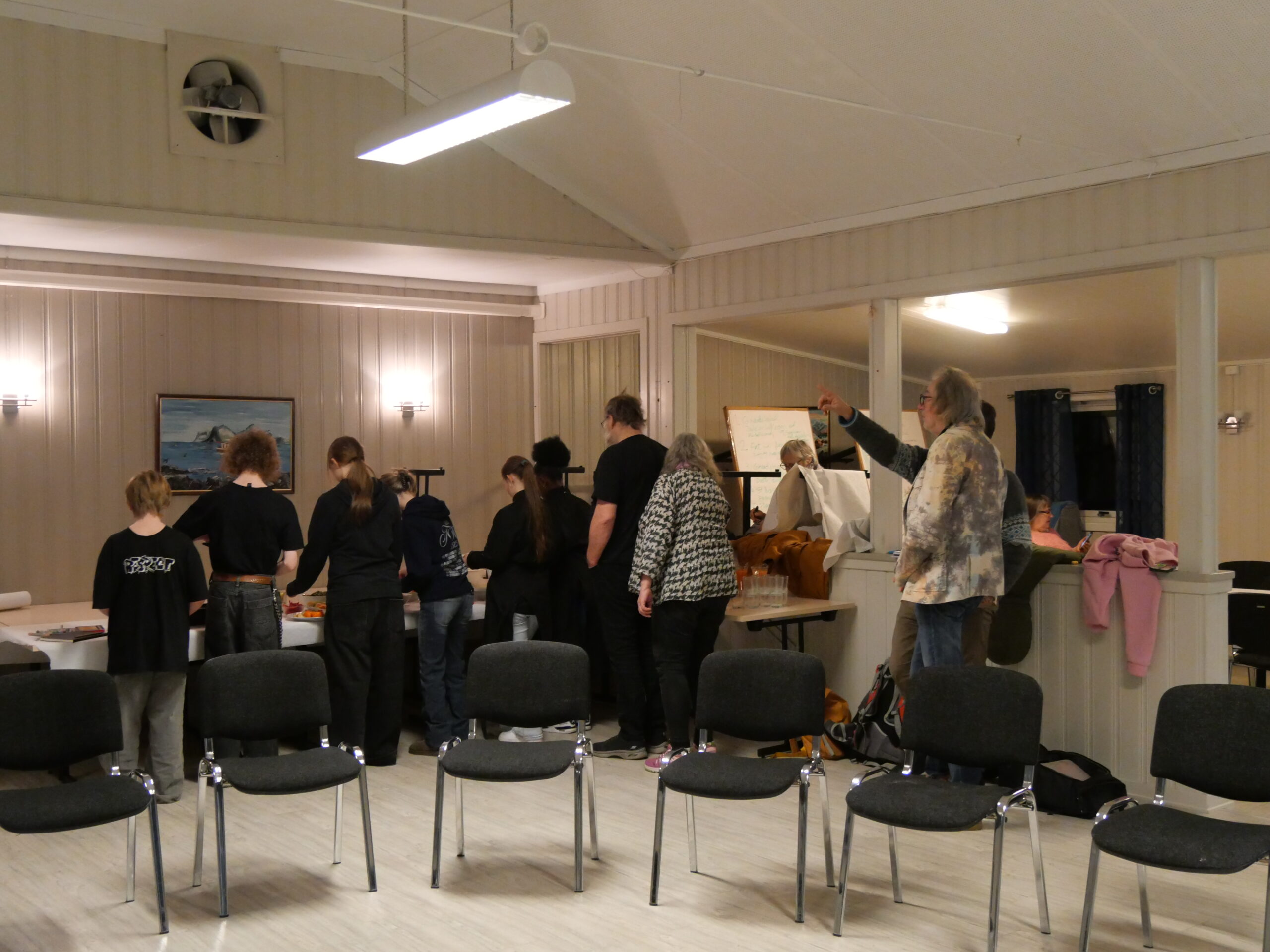
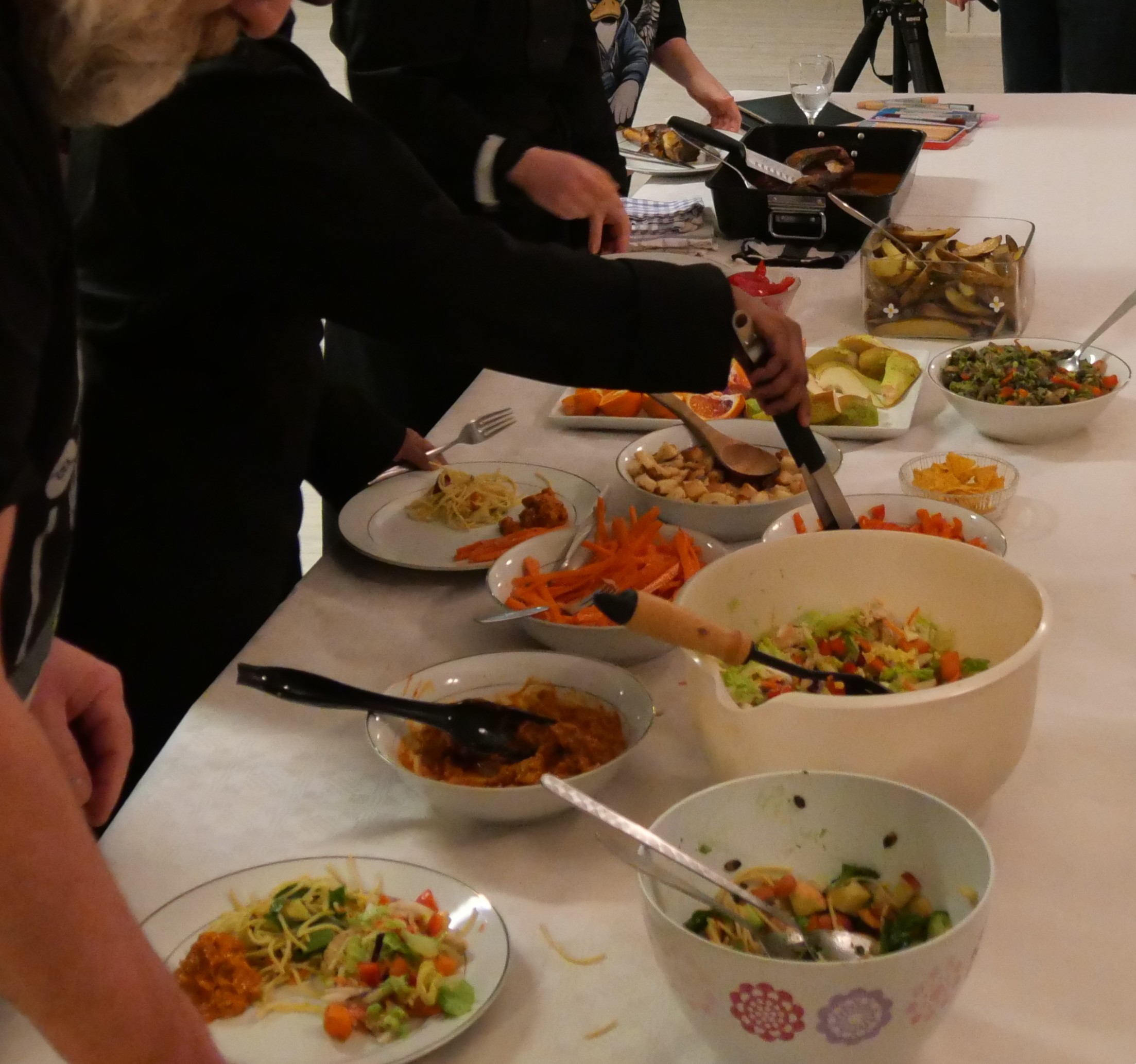
The Surplus Table faced a logistical constraint: Due to ongoing tunnel repairs, it was only open once an hour, which involved changes in the timeframe and made cooking together impossible. Instead, the school’s young chef team, together with Katerina, prepared the meal. The students settled in confidently and “took the room” in a positive way. Everyone could join the first part of the seminar, which was a major plus, but time remains a challenge. We will test earlier starts, more prep the day before, or alternative ways to source the shared meal. Post‑forum snacks were intentionally simple.
In the public dialogue – second part of the hybrid forum- we sat in a circle for an open conversation. Storyteller Heidi opened the session by weaving the think tank’s insights into her adapted version of an old legend. After a while, a new discussion began. The atmosphere was warm and relaxed. “The good old days” surfaced again, reminding us how identity and memory color today’s expectations of hospitality. This, too, is data. Across the evening, we documented what strengthened engagement and what strained it, from time compression to travel constraints, role clarity, and invitation design.
Why does this matter? Because grendehus are living heritage. By prototyping formats in real settings with real neighbors, we can learn how hospitality, dialogue, and shared responsibility take root—and turn those insights into practical and convivial models for Lofoten and beyond.