ONE LAST SURPLUS TABLE – AND A TABLE WE CAN CARRY FORWARD
From Napp and 18 months in Lofoten towards Coimbra 2027
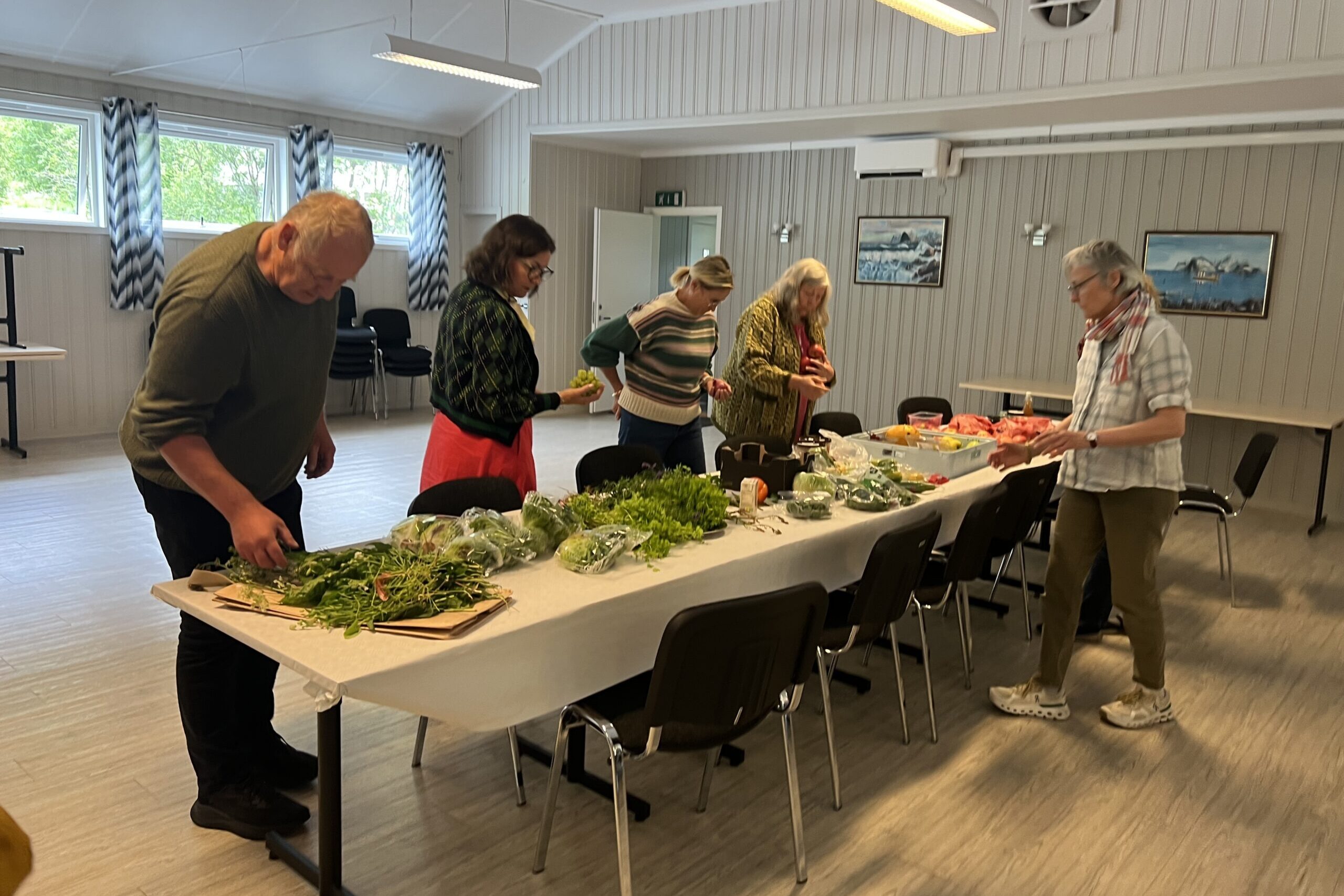
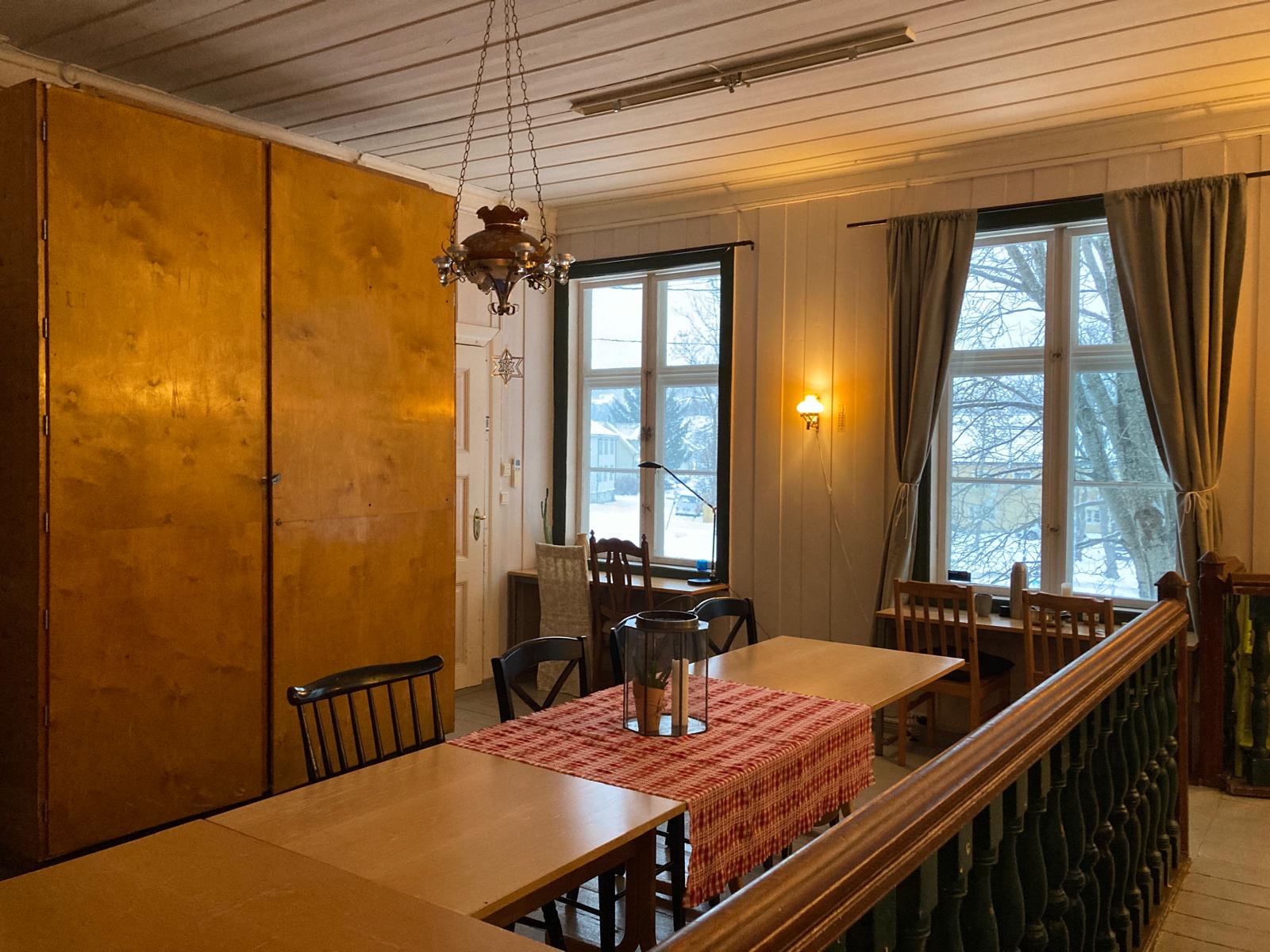
On 30 June, we gathered at Napp Community House for our final think tank and Surplus Table in Lofoten. It marked the end of an 18-month journey through CONVIVIUM – but perhaps more importantly, it gave us a moment to ask what we have learned, what remains locally, and what can now travel onwards.
Over three gatherings in Napp, our conversations had moved from tourism, to hospitality and opening one’s home, and finally to food habits, food culture and food heritage.
The methods had also evolved.
We began by bringing together the Hybrid Forum and Surplus Table. Along the way, elements from the Utopia Workshop entered the process. At this final gathering, the methods were no longer separate activities. Storytelling, active listening, dialogue, imagining possible futures, cooking and eating increasingly flowed into one another.
And once again, food became a language.
What is food heritage – and who decides?
Participants shared stories of fish soup, home-baked bread, harvesting potatoes, fishing, growing food, preservation techniques and encounters between local and international food cultures.
We asked whether food heritage is only what we inherit – or whether it is also something we create.
Could seaweed become part of Lofoten’s future food heritage alongside stockfish? Can knowledge of wild edible plants be renewed? Can reducing food waste itself become part of contemporary food culture?
Across very different stories, common values emerged: culture, community, knowledge, nature and the satisfaction of creating something tangible together.
Those values were then used to imagine possible futures. Four ideas emerged from the conversations: Farmer for a Week, protecting agricultural soil for future food production, healthier local food in sports arenas, and community action connecting practical learning, generations and local needs.
Then we stopped talking about food – and started cooking
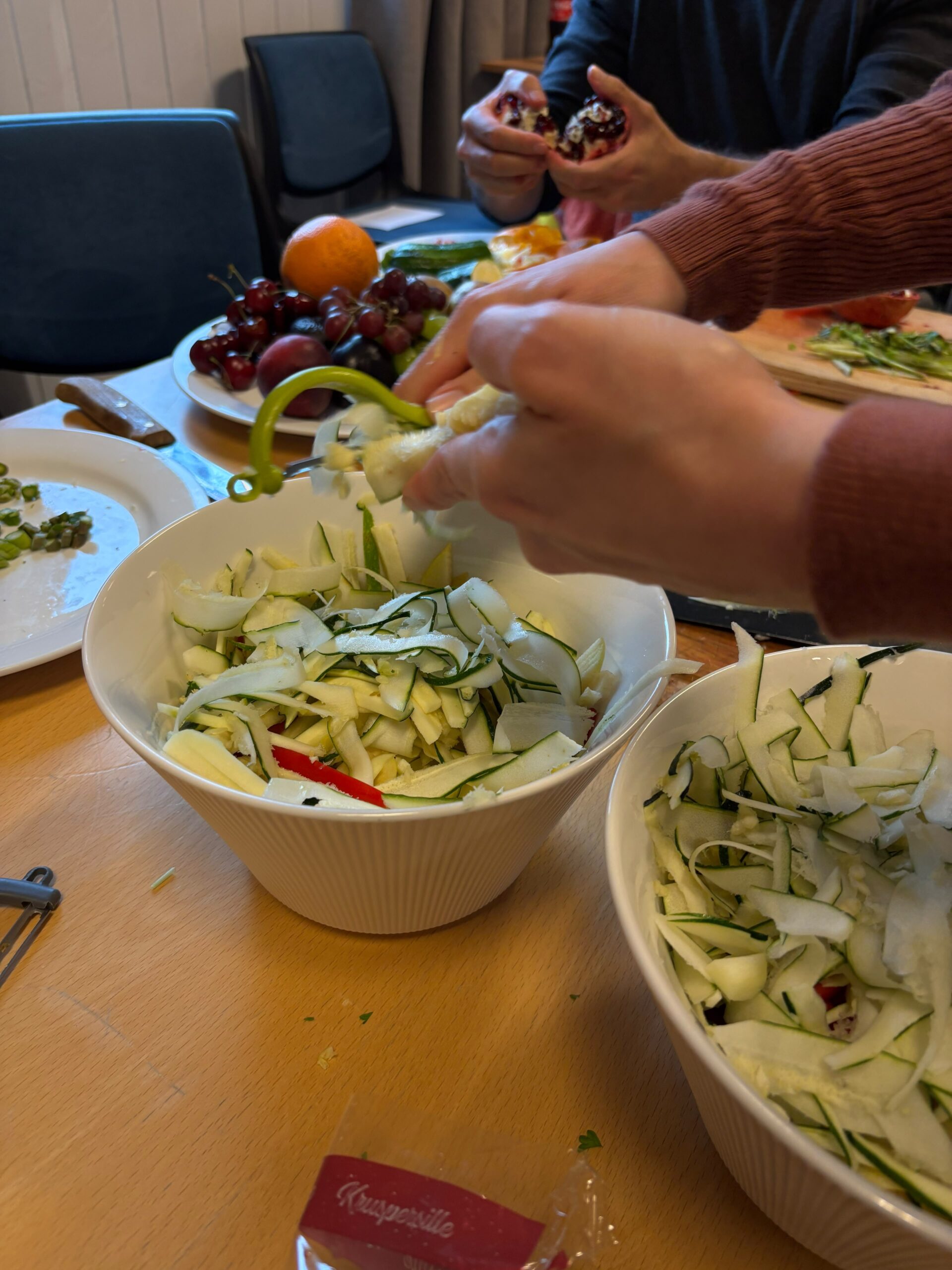
In the afternoon, the Surplus Table became our practical laboratory.
There was no fixed menu waiting for the participants. Surplus ingredients became the starting point, together with local knowledge, memories and what had emerged from the day’s conversations.
People worked in groups, choosing ingredients, improvising starters and desserts and sharing memories connected to leftovers and food. A common meal gradually emerged from what was available.
This remains one of the things that fascinates us most about the Surplus Table: we can prepare the conditions, but we cannot fully predict the outcome.
The food available changes. The people around the table change. The stories change. The place changes.
And therefore, the table changes too.
By the evening, the think tank had become an open feast. Local residents joined us, conversations continued across the tables, food was tasted rather than merely discussed, there was laughter – and eventually a rather exciting football match.
And, as always, we finished by cleaning up together.
The room returned to being the community house. But something had changed.
What remains after the table disappears?
After 18 months in Lofoten, we leave with enormous gratitude.
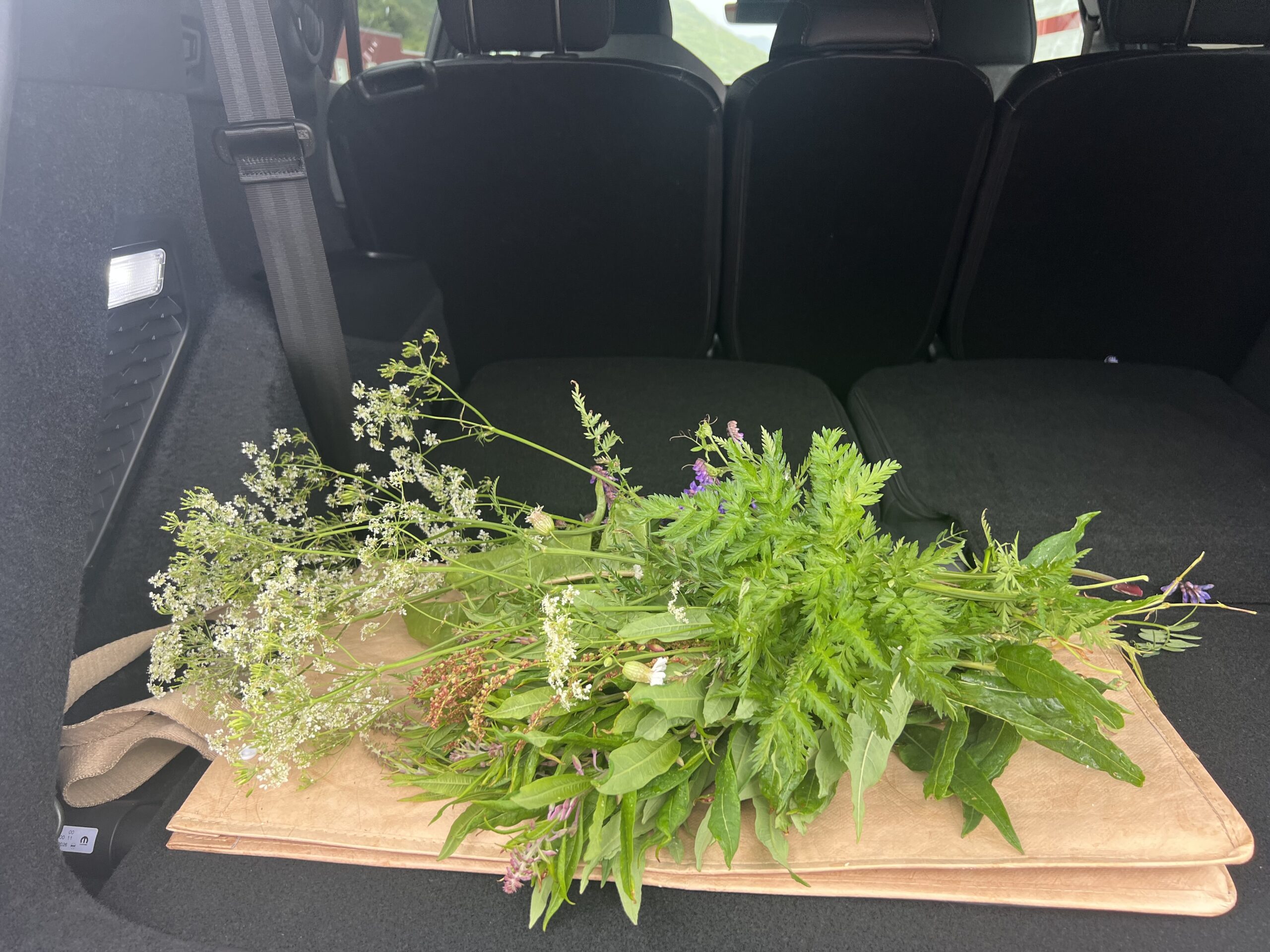
We have learned from local food heroes, cooks, students, teachers, fishers, foragers and people carrying knowledge about food and place. We have discovered new ways of looking at local edible plants, seaweed, fish and food traditions – and seen again and again how much knowledge and engagement already exists when we create a space where it can be shared.
A heartfelt thank you goes to all those who have supplied the Surplus Tables along the way: local grocery stores, food producers, fisheries, restaurants, hotels, foragers and other local partners who trusted us with ingredients that might otherwise have been overlooked or wasted.
A special thank you also goes to our colleagues at Museum Nord, to OsloMet, and to our partners in WP7 for the close collaboration throughout this process.
Importantly, we are not leaving behind only memories and reports.
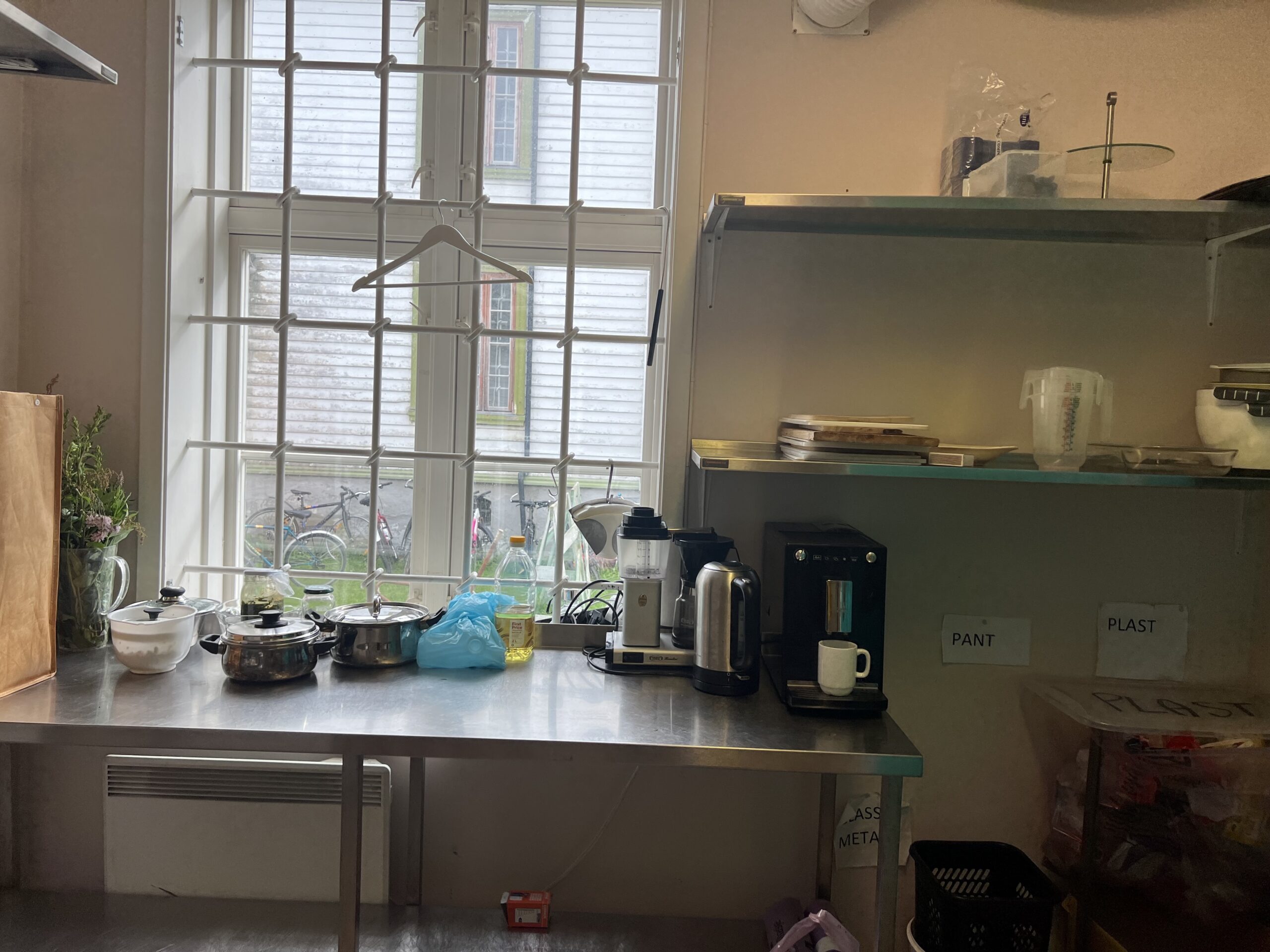
We are leaving behind some of the practical infrastructure needed for more Surplus Tables: an upgraded kitchen, improved food-storage systems and better communal facilities at the community space in the old prison in Kabelvåg. Relationships with suppliers and local actors have been established, and the knowledge developed through the tables can now be used and adapted by others.
So although this was our final Surplus Table in this phase of the project, the table itself does not have to end here.
From Lofoten to Coimbra
Our next challenge is an exciting one.
How do we synthesise what we have learned from the Hybrid Forum, Utopia Workshop and Surplus Table into a format that can travel?
Not a recipe that simply reproduces what happened in Lofoten. The landscape, people, ingredients, memories and food heritage of Napp and Kabelvåg cannot – and should not – be copied somewhere else.
Instead, we want to identify the underlying principles that made these encounters possible:
Listening before deciding. Starting with what is already there. Inviting different forms of knowledge to the same table. Moving between memory, the present and imagined futures. Cooking rather than only talking. Allowing surplus and unexpected ingredients to shape the process. And ending by eating – and cleaning up – together.
The next step is to explore how these principles can become a transferable format for Coimbra in March 2027.
Perhaps that is one of the most important things we take with us from Lofoten:
A Surplus Table is never only about saving food. It is a temporary space where food, memory, knowledge, people, place and possible futures meet.
The ingredients will be different in Coimbra.
The stories will be different.
The table should be different.
And that is exactly the point.