SHARING MORE THAN JUST FOOD
What if food could do more than fill our bellies? What if it could bring people together, connect generations, and help us take better care of our planet?
That is exactly what the Surplus Table is all about. It is a simple but powerful idea: we use leftover or surplus food—whether from our homes or from local shops—to cook, share, and connect. Often, the food is donated or saved from being thrown away. But what happens next is where the real value lies.
At a Surplus Table, we learn across generations, cook dishes from different cultures, we share skills, stories, and traditions, we build community and shared heritage. We also promote sustainability through food. Because it is about more than just eating. It is about sharing time, space, and stories, with food as our common ground.
Who’s behind It?
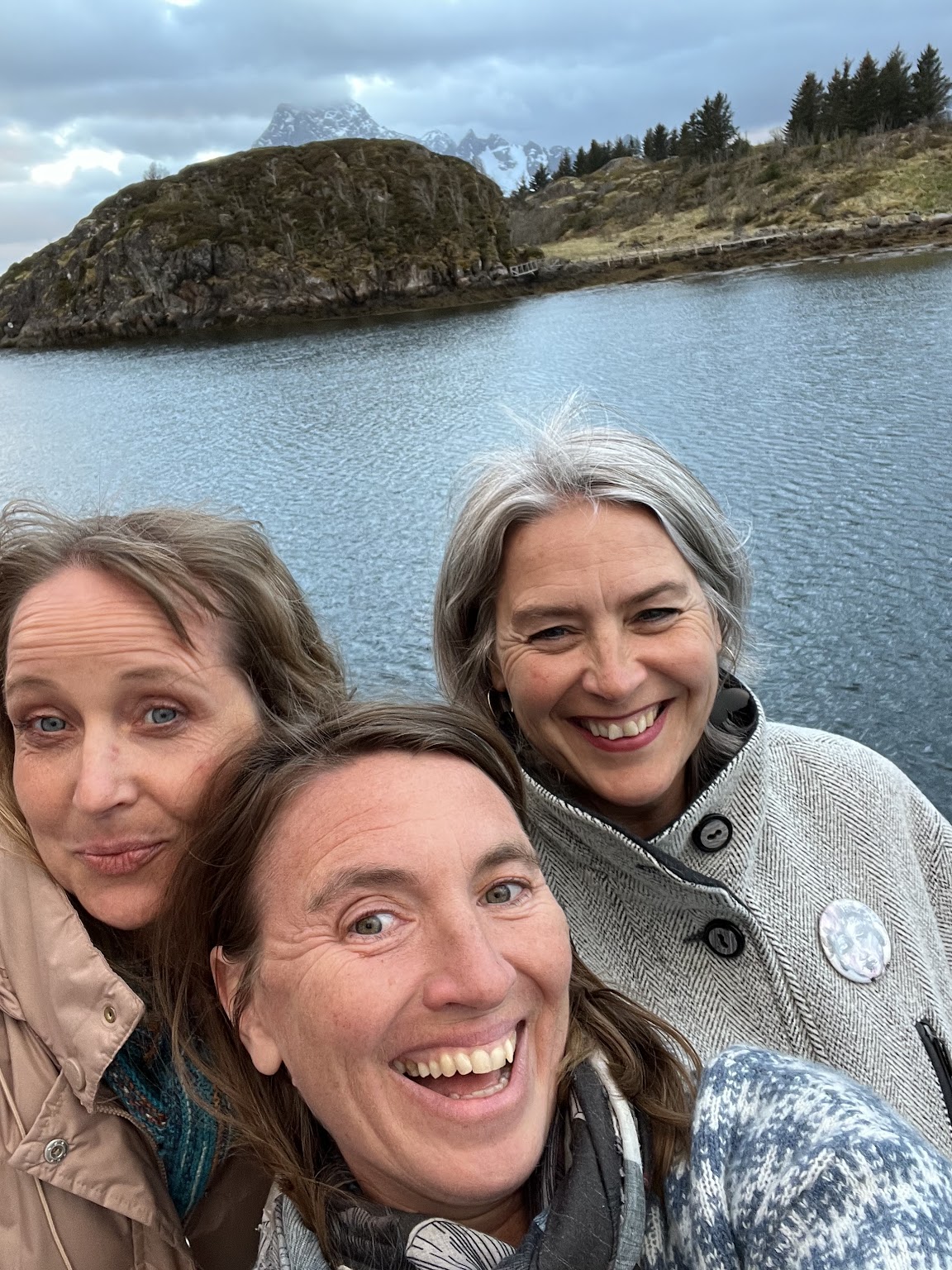
Circular Ways is a social enterprise and NGO led by the team of Katerina Eriksen, Olaug Storlid, and Maiken Lønnerød. Since 2018, they have been creating inclusive food-related projects with a strong focus on surplus food and social connection. Surplus Table is one of the key solutions developed as part of the Convivium EU project, and it will eventually result in a community-based recipe book.
Where it’s happening
Surplus Tables are being hosted in multiple locations in Lofoten, Norway and in Coimbra, Portugal—each place bringing its own unique stories, traditions, and ingredients to the table.
Local partners and places
To bring a Surplus Table to life, you need the right location and local partners who know their community. In Lofoten, we connected with the NGO Folkekjøkken Kabelvåg and their shared community space BUA. This is where we held our first test Surplus Table event. We are also thinking long term. How can we make sure these tables continue after the project ends? That is why we explored what equipment and local support are needed to keep the idea going.
Field work in Lofoten
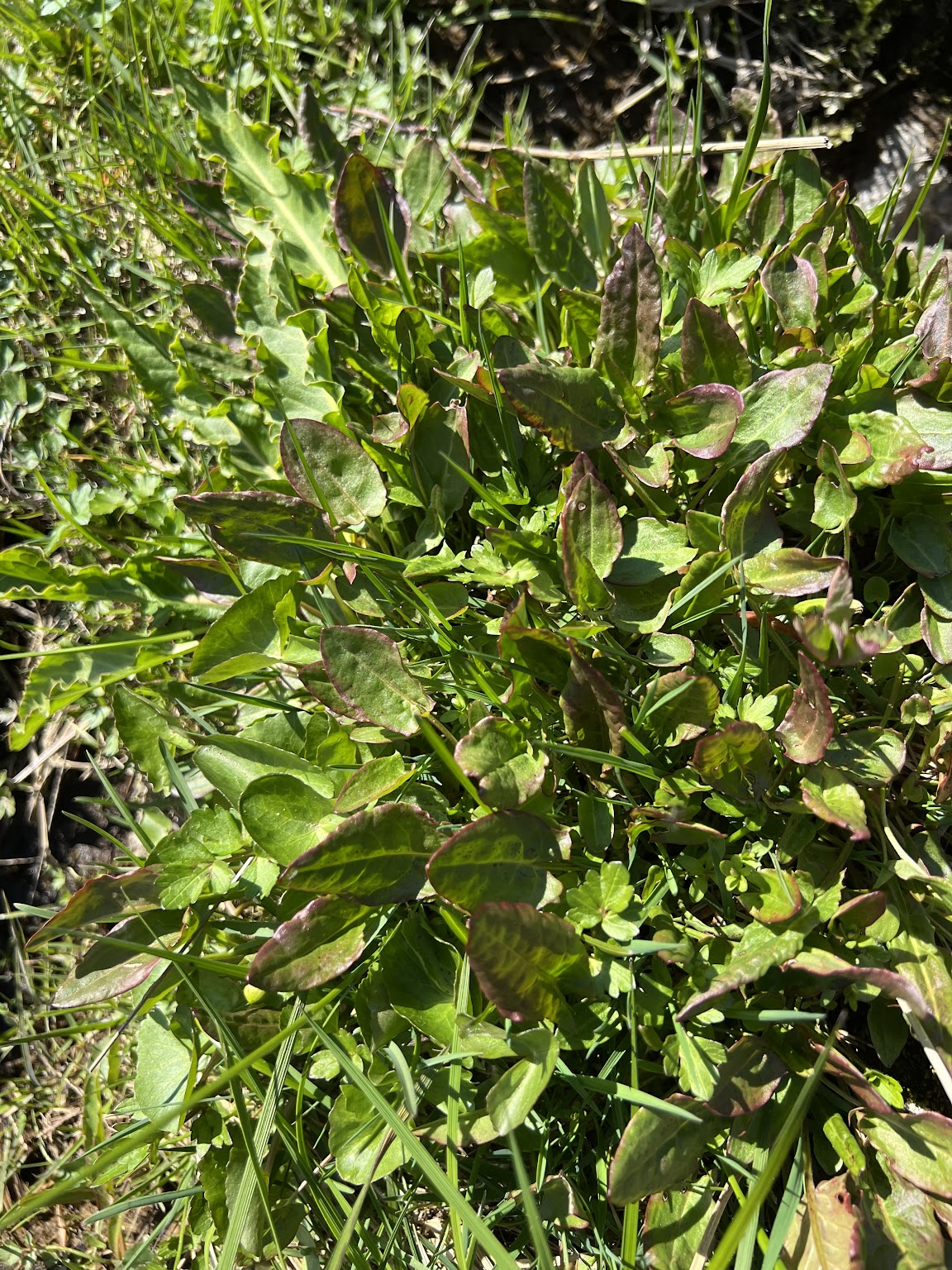
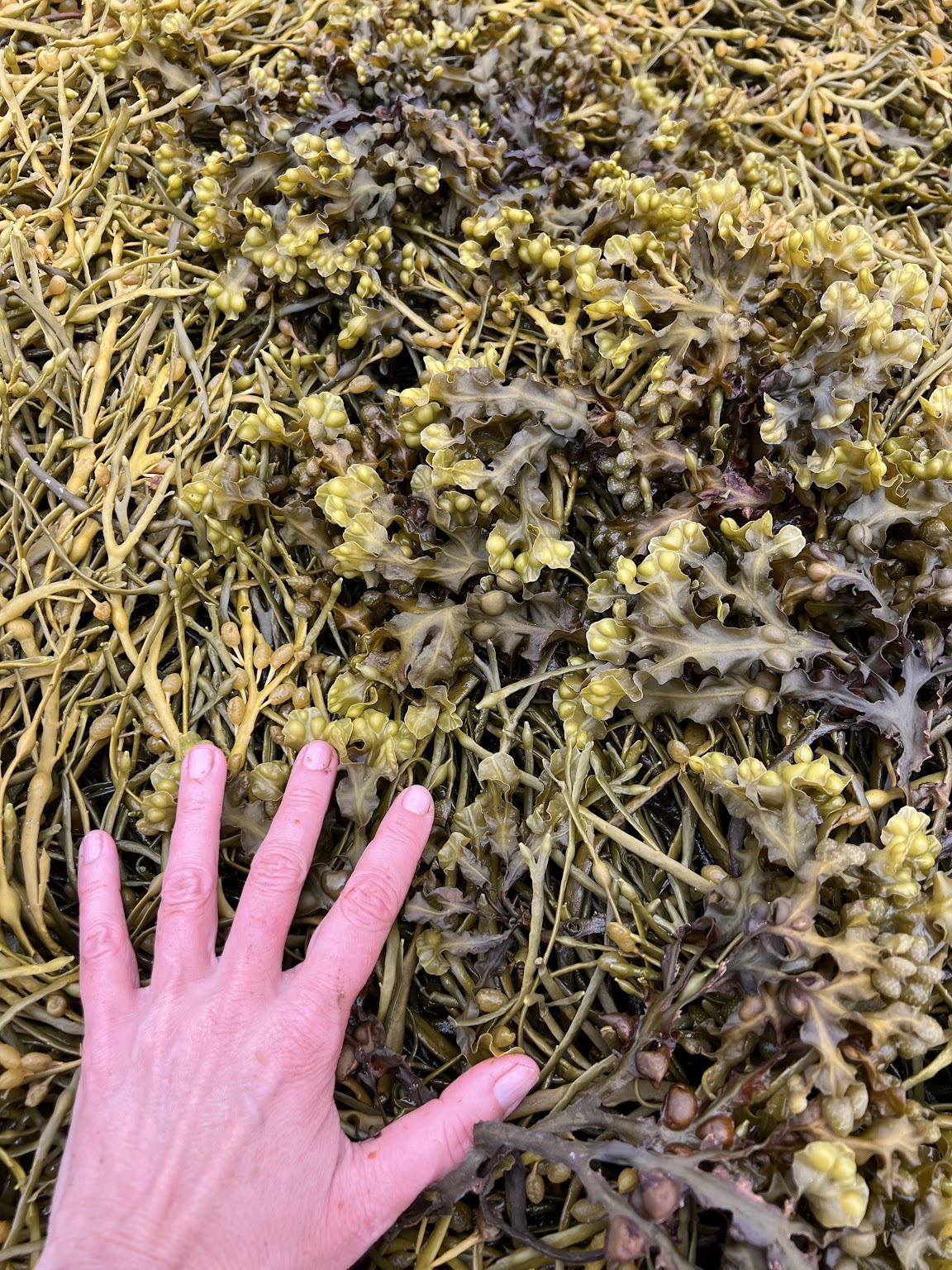
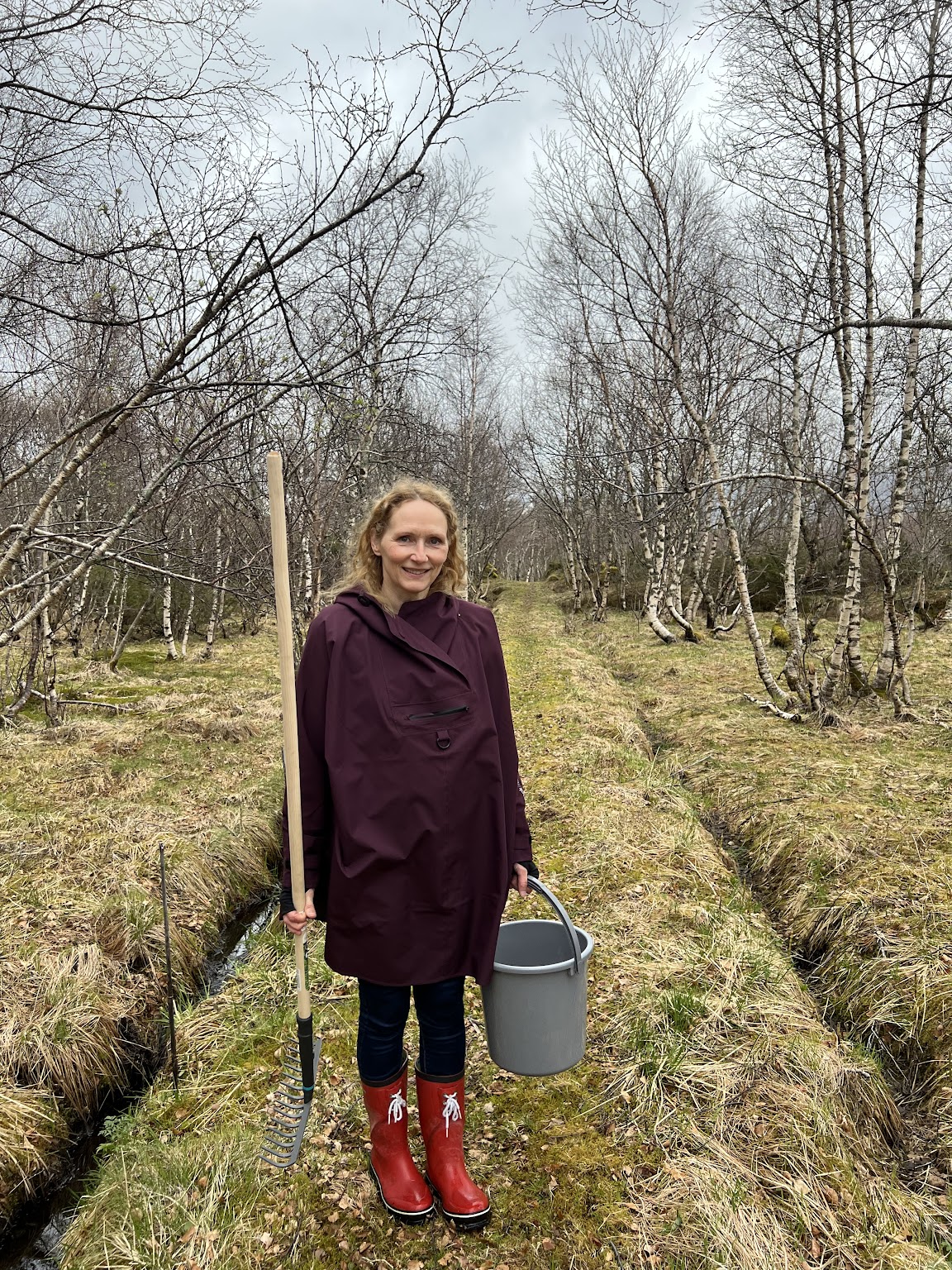
Here are some moments from our field work in the Lofoten Islands, where we met local food enthusiast Sissel Higraf. She took us out to gather wild herbs, seaweed, and shellfish at her old fishing station. We also explored the venue, identified what would be needed, and discussed how we could contribute to the space and support its continued use. More Surplus Tables are coming. More stories will be told. Because when we share food, we also share culture, care, and a more sustainable future.