THE OPEN GARDEN AT THE LIVING KNOWLEDGE CONFERENCE IN GDAŃSK
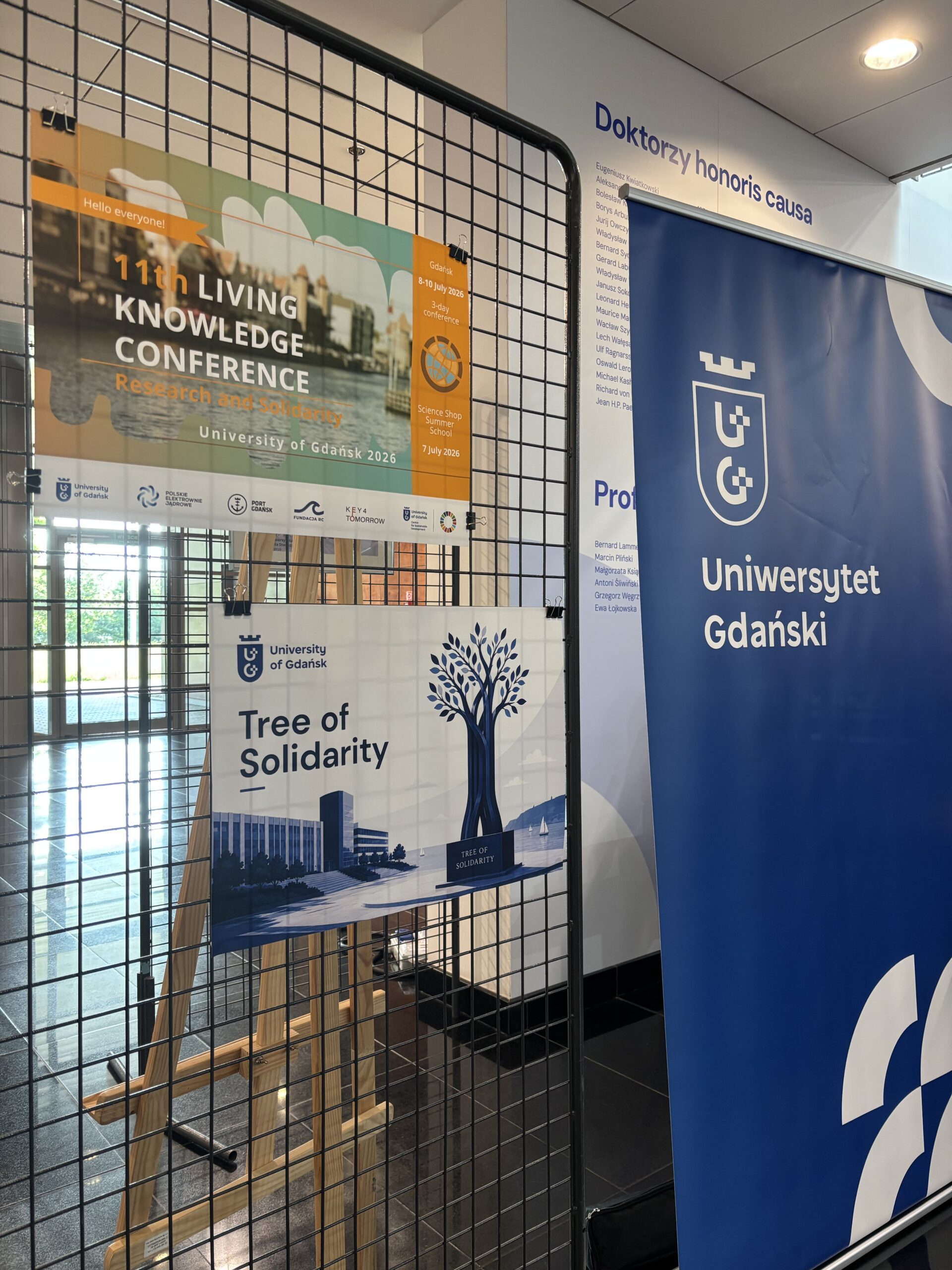
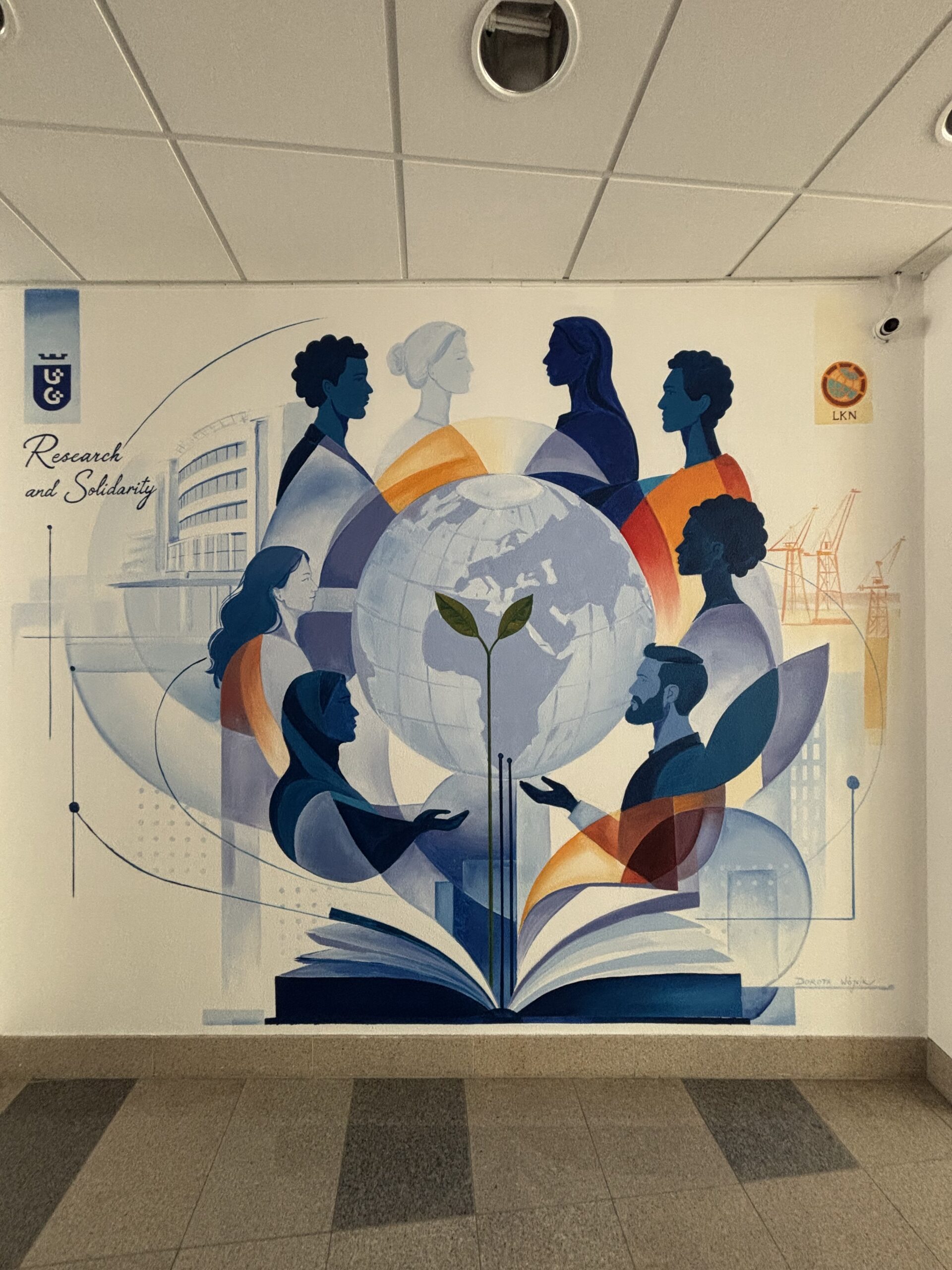
The summer months might be here, but our team is still very much active. Between July 8th and 10th, Justyna Jakubiec (UU) was participating in the 11th Living Knowledge conference, this time hosted by the University of Gdańsk. This year’s conference theme of Research and Solidarity not only celebrated the city of Gdańsk; it underlined both the beauty and difficulty behind researching together with the communities of practice.
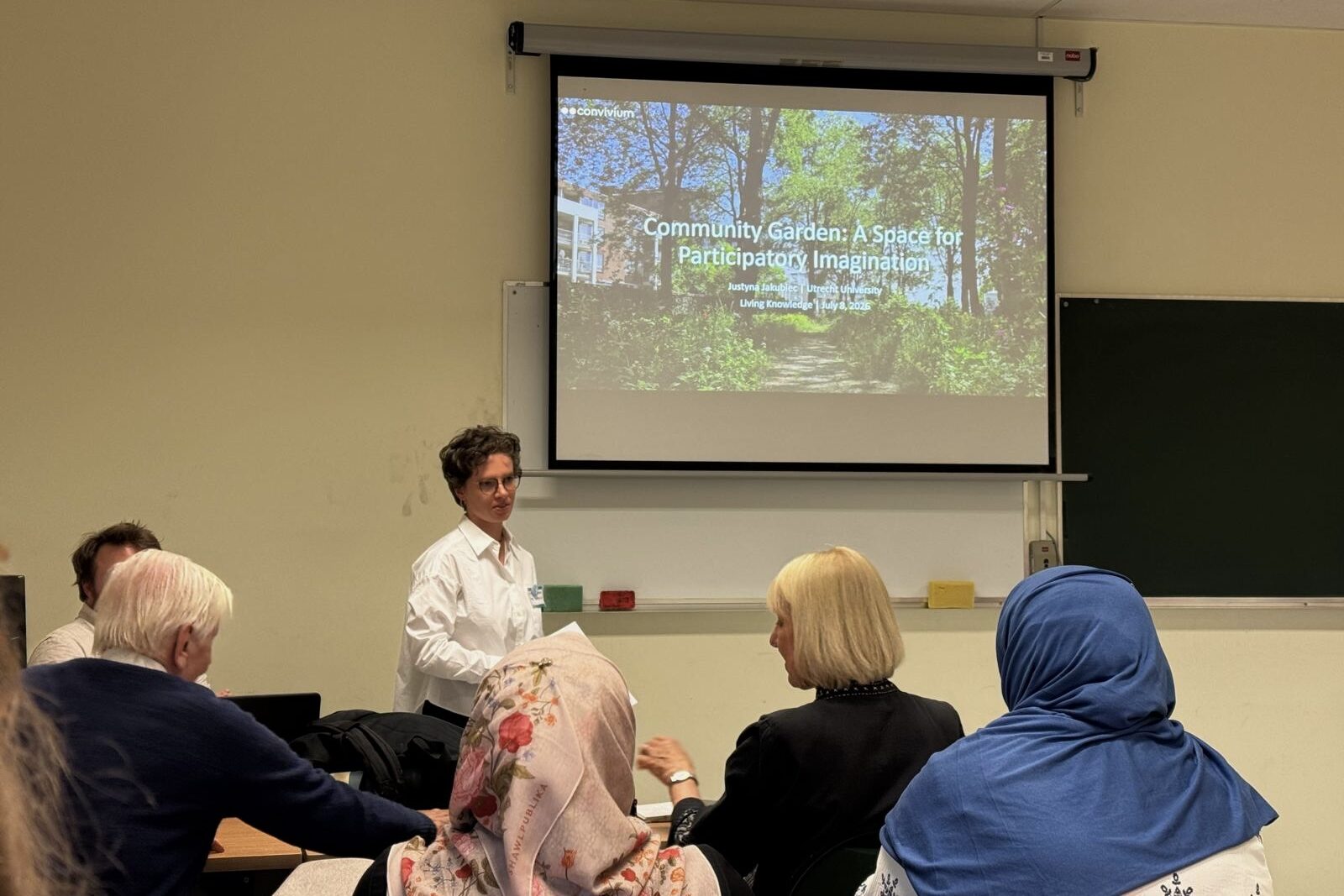
Justyna’s contribution to the conference took the shape of a storytelling presentation, entitled “Community Garden: A Space for Participatory Imagination.” You can read the short description of the presentation below.
One of CONVIVIUM’s key areas of focus is the exploration of urban community gardens as spaces of care and ecological and social regeneration. One of the biggest challenges of this research is creating and maintaining the balance between the analytical perspective and communal sensitivity. How can the researcher, bringing with them a research and project agenda, approach a community garden not merely as an object of study but, rather, as a community of practice? How do you create balance between the analytical perspective and communal sensitivity? How can we approach a community garden not merely as an object of study, but as a community of practice?
Through this storytelling presentation, voices from research conducted in CONVIVIUM will take centre stage. Urban community garden, apart from being a space for plant cultivation, is a space where narratives are cultivated. Each garden grows on the basis of a particular story, an imaginary, a narrative. Each individual, once they become acquainted with the garden, adds to this story: by hearing it, observing it, performing it, and, perhaps, challenging it. They imagine a garden in a certain way, both before entering it as well as after becoming part of it. Aiming to address the question of which participatory and collaborative research methodologies to employ when working with communities of practice, this storytelling exercise will introduce the concept of participatory imagination. According to Corey Dolgon, participatory imagination allows citizens not only to define social problems but also to collaboratively develop their own research and action agendas. The notion of participating in the imaginary can be seen as one of the most promising methodologies that has the potential to introduce impact – both for academic research as well as for communities of practice.