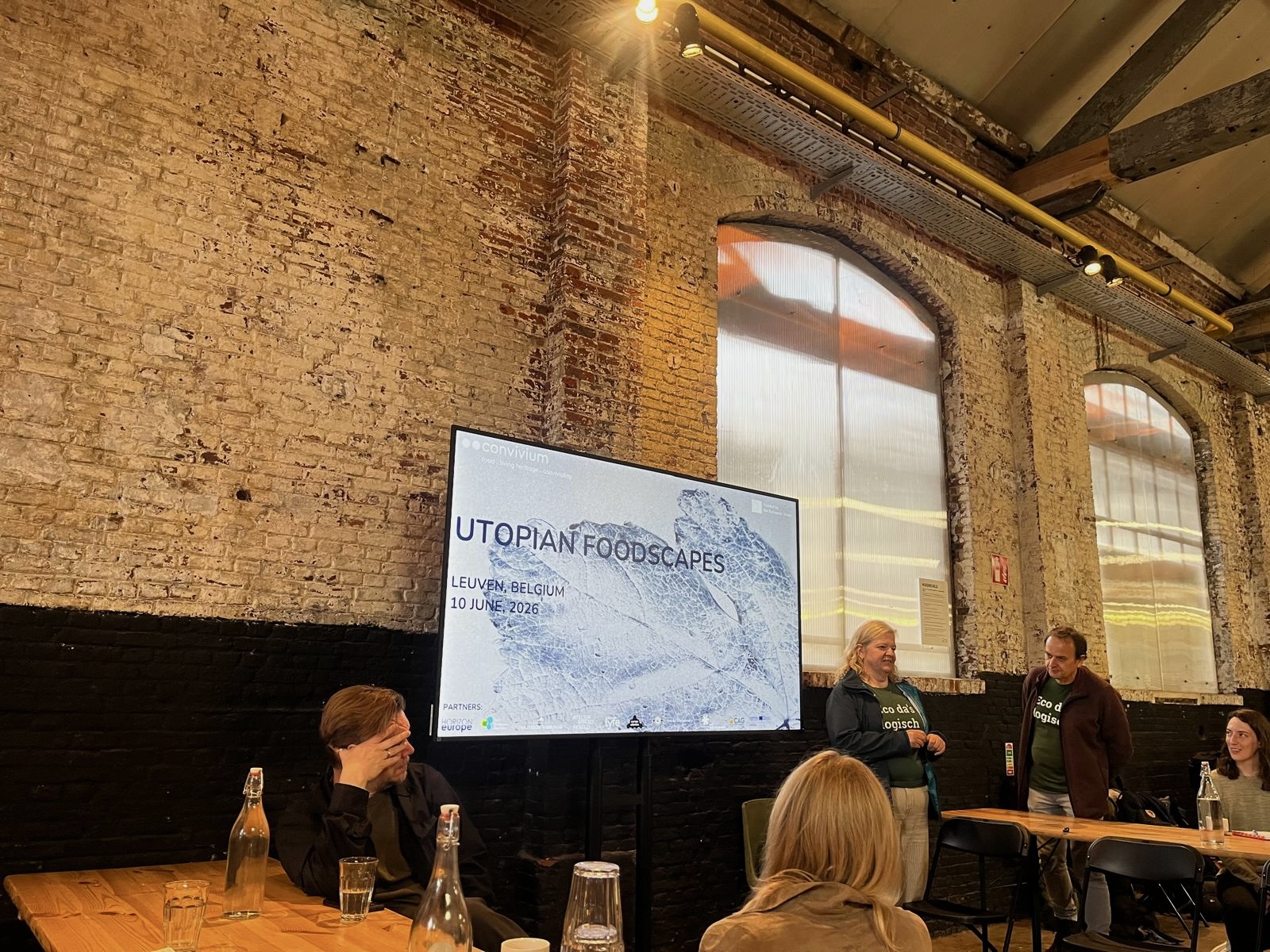
THE OPEN GARDEN & INTERCROPPING REVISITED | ROUNDTABLE AT HAL 5, LEUVEN
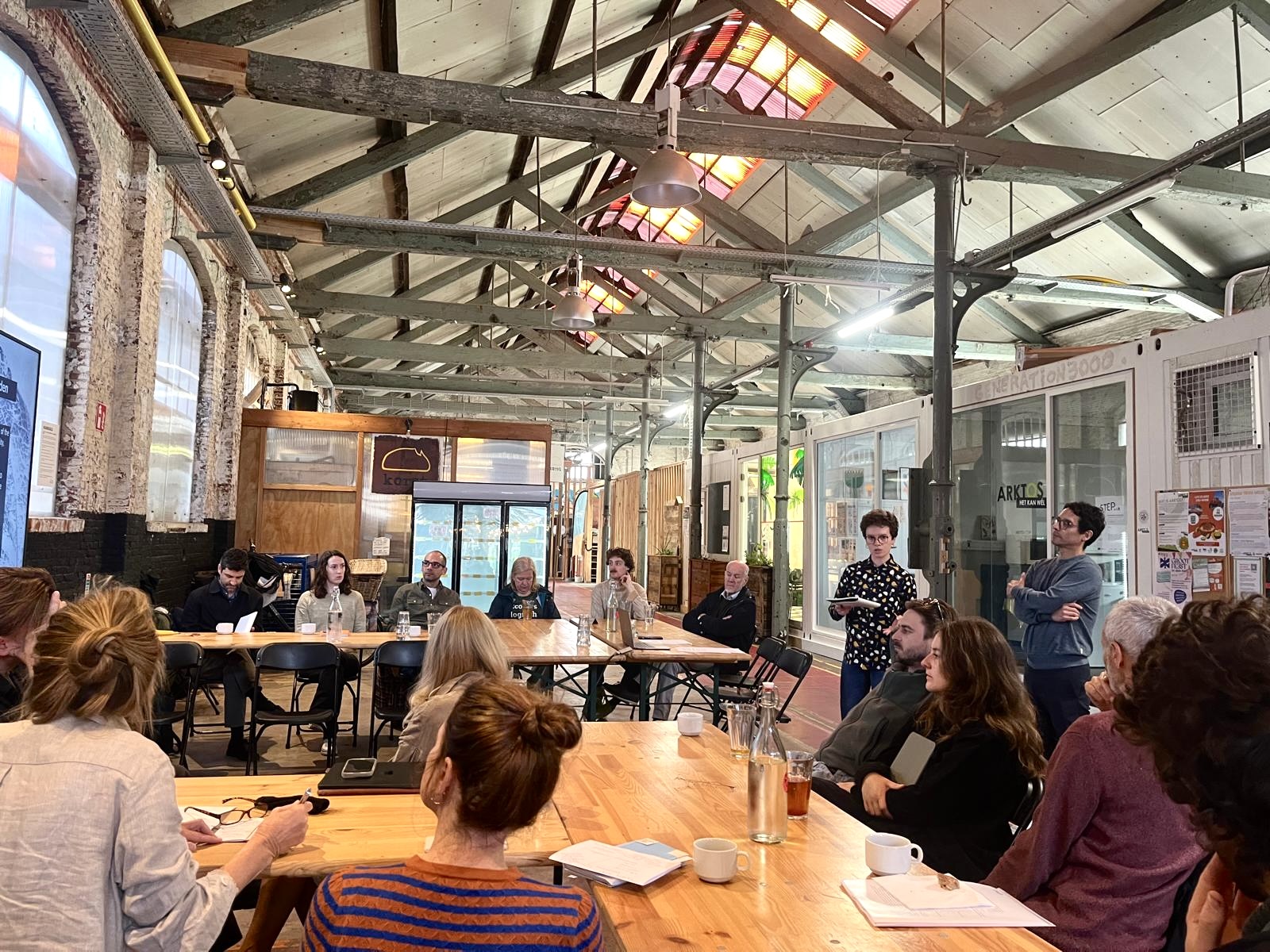
One of our aims for the first half of this year was to organise a joint Open Garden & Intercropping Revisited event in Leuven. Jenny Herman (Panthéon-Sorbonne), Raúl Matta (Institut Lyfe), and Justyna Jakubiec (Utrecht University) were happy to join forces with several local stakeholders and host an interactive half-day event, centered on sustainable European food futures. We brought attention especially to community gardening and intercropping practices.
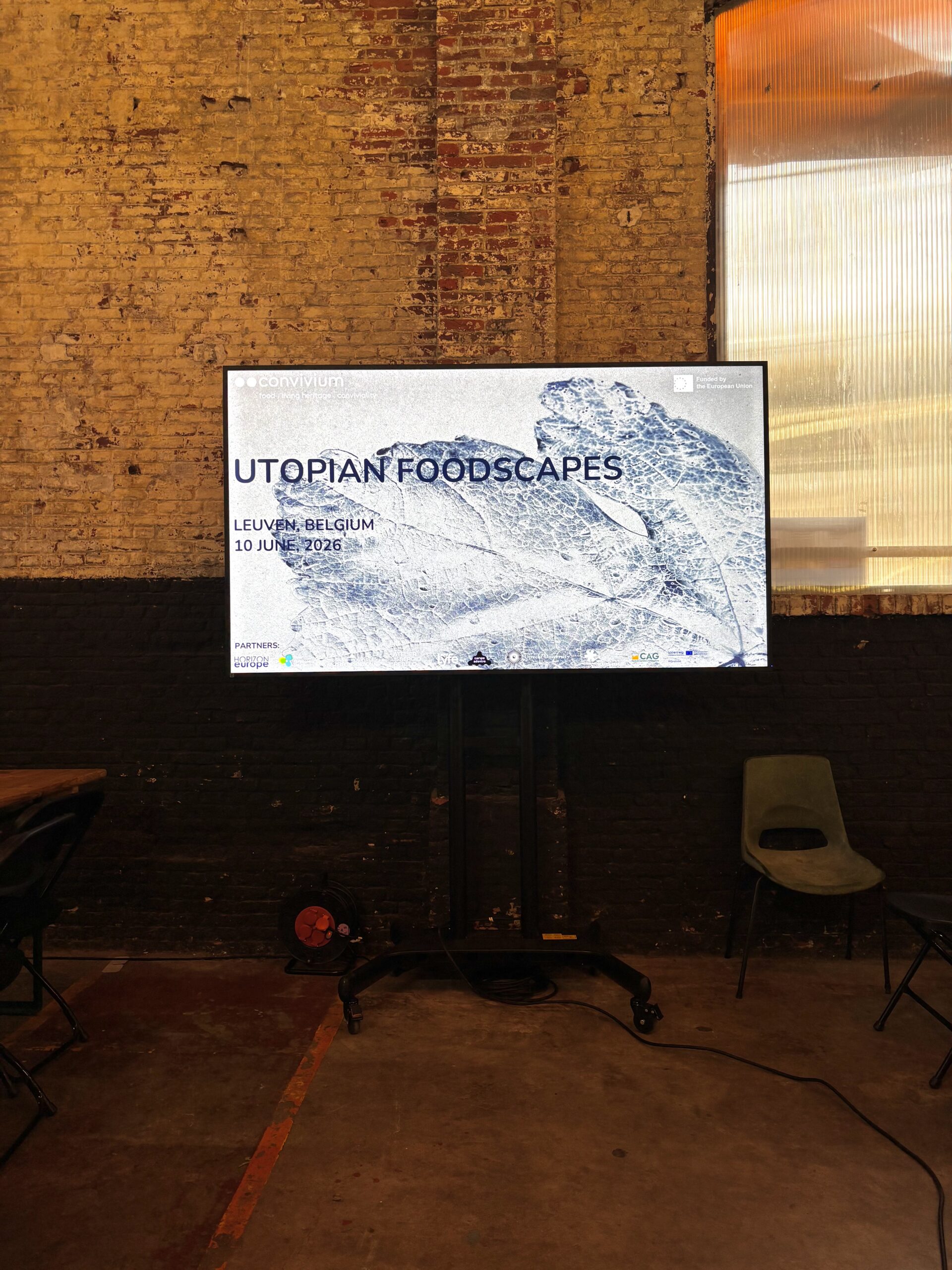
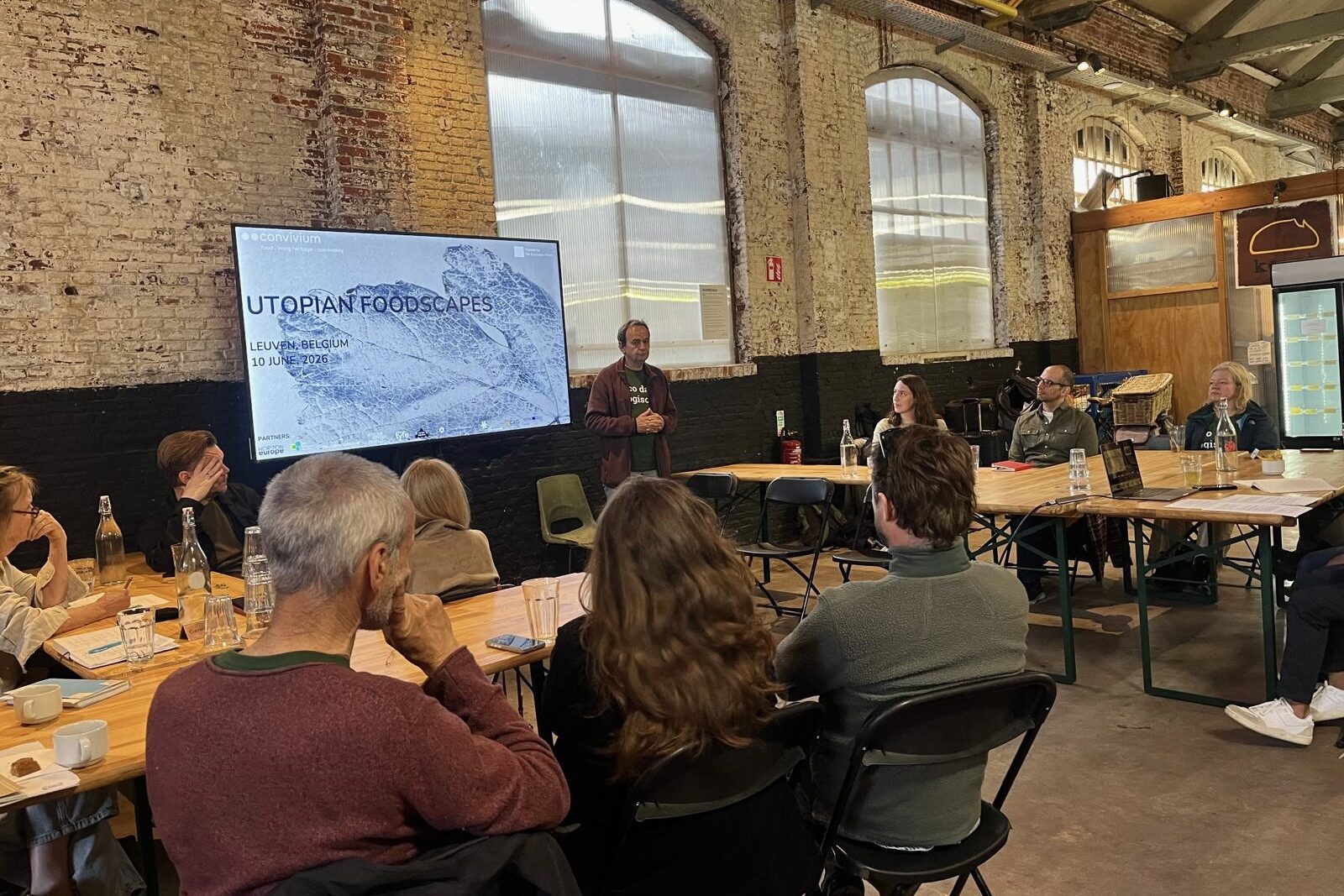
On June 10th 2026, we gathered at HAL 5 in Leuven and started the day by sharing our understanding of the open garden and intercropping, in line with the guiding theme of the event: Utopian Foodscapes. Thomas More first published his famed Utopia in Leuven 510 years ago– a book which still prompts us to collectively imagine not only a different society, but also different food systems today. To explore the many ways in which we can imagine utopic futures, we prioritised the sharing of ideas, practices, questions, and discussions.
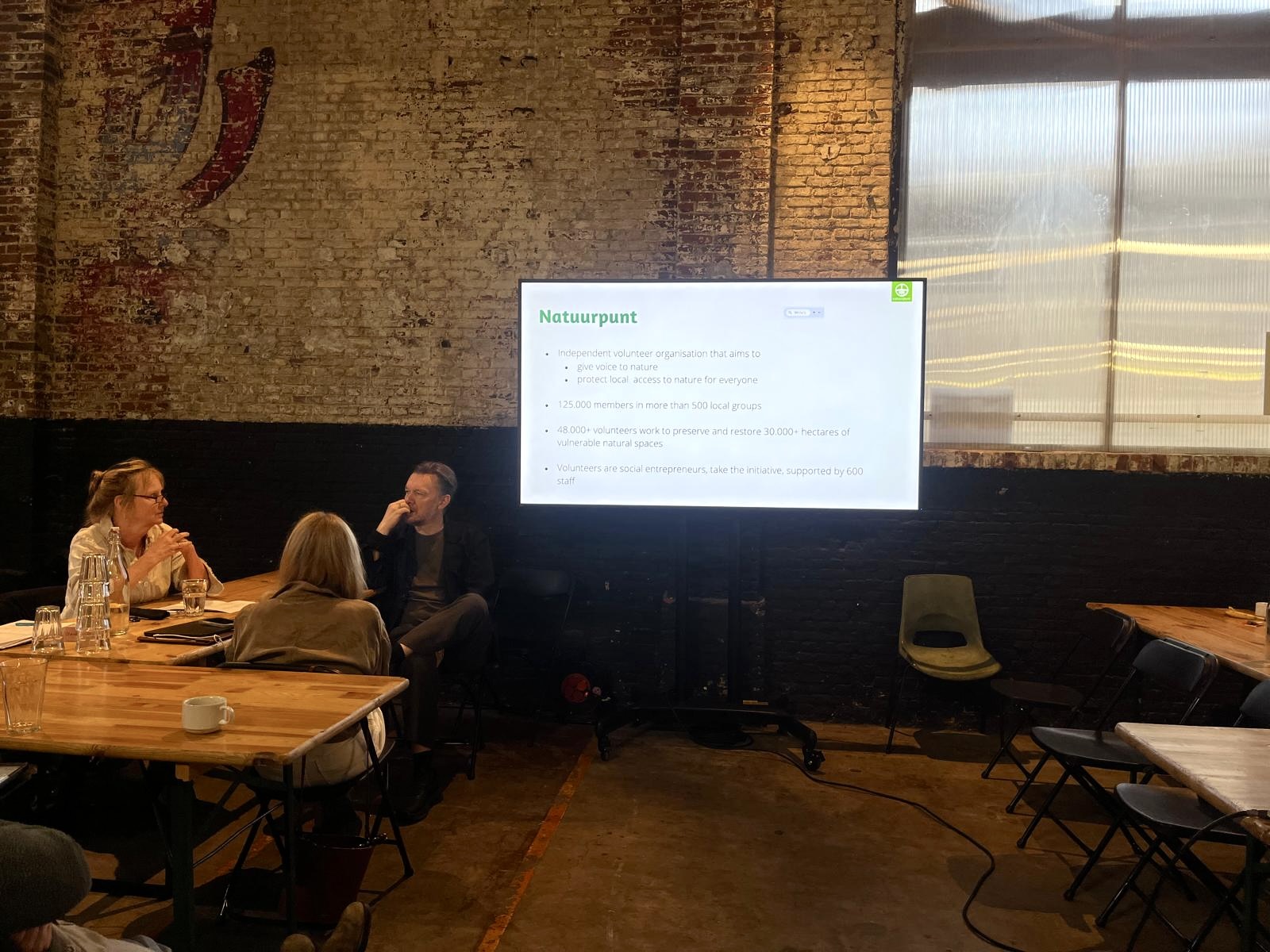
The event continued with a set of presentations from local stakeholders engaging with topics relevant to our two solutions. We were lucky to hear from Greet Draye (Centrum Agrarische Geschiedenis, CAG), Ike Kamphof (Natuurpunt & Maastricht University), Theresa Gerber (IntercropValues, KU Leuven), Lieven David (VELT Edible Neighbourhoods), Jan Vannoppen (VELT) and Lizzy Housen (Leerpluktuin volunteer).
Each participant shared their different expertise and initiatives and spoke of the values and perspectives which guide their gardening practices and their vision of the garden as a social and ecological tool. Thanks to these presentations, we brought attention to the broad range of ways to engage with biodiverse and socially diverse landscapes of cultivation.
The day continued with a guided walk around the Leerpluktuin (community garden next to HAL 5) and concluded with a brainstorming session about the significance of seed-keeping, questions of how seed-saving practices could be seen as a social endeavour, and what that might mean.