THE OPEN GARDEN & INTERCROPPING. WORKSHOP IN COIMBRA
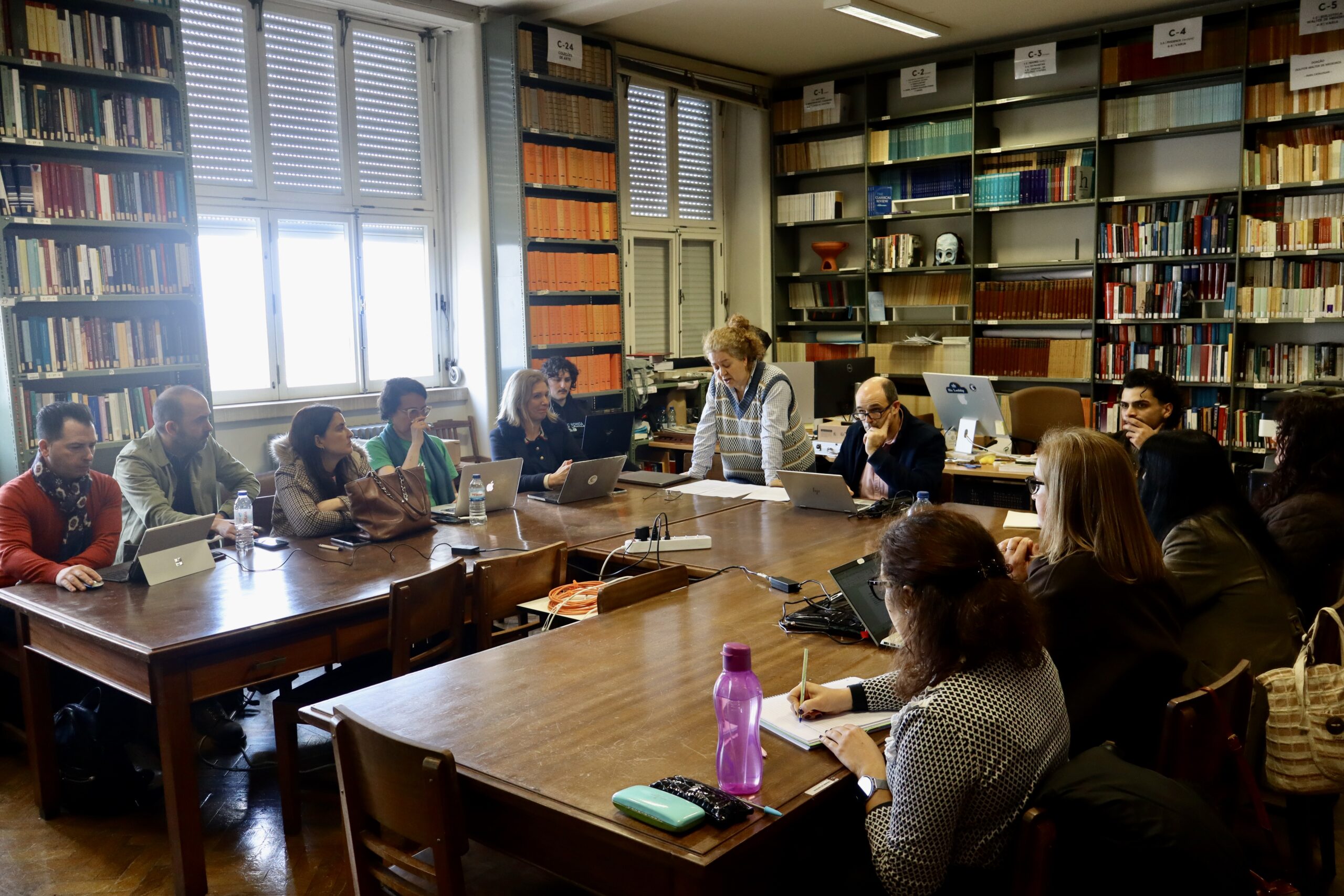
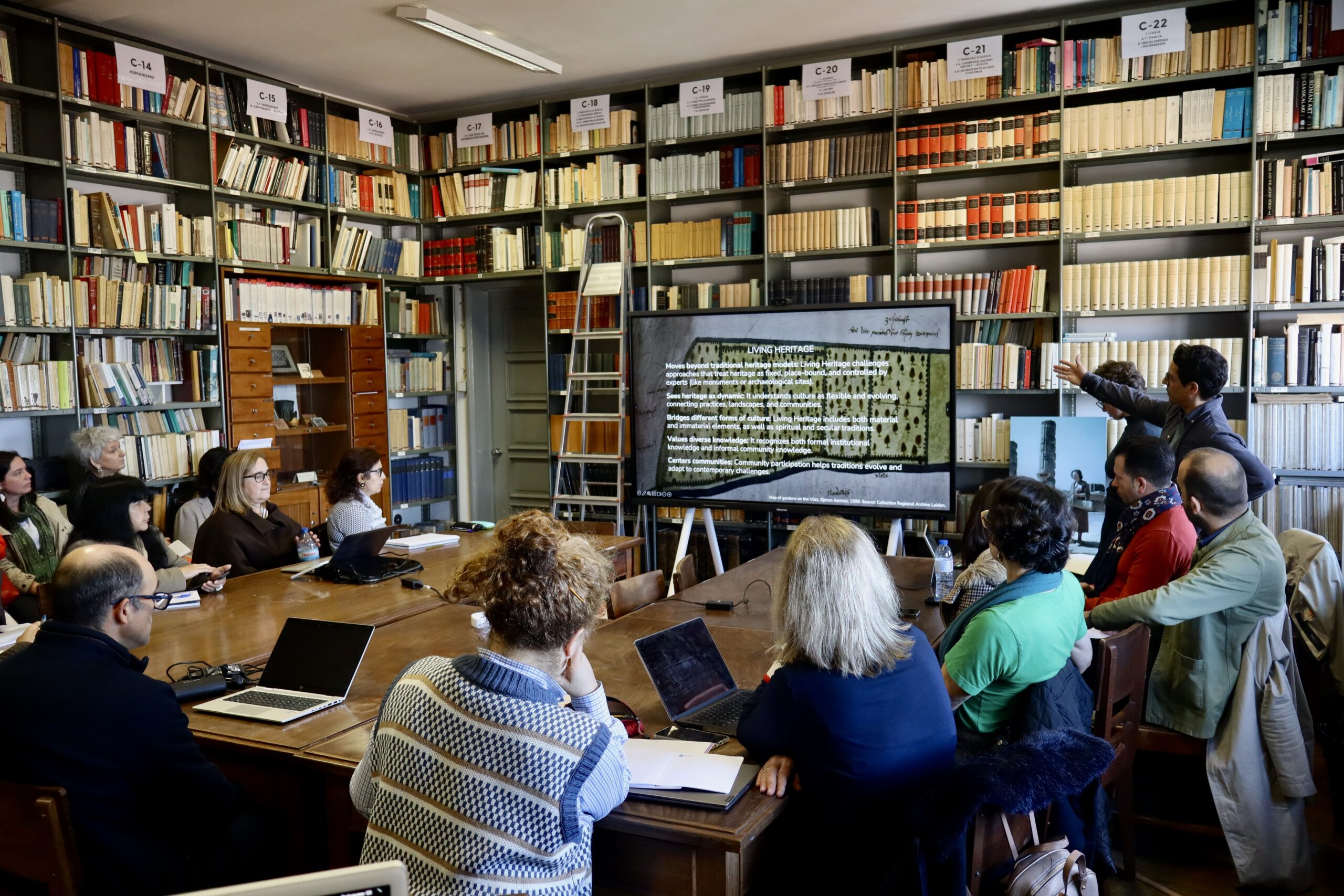
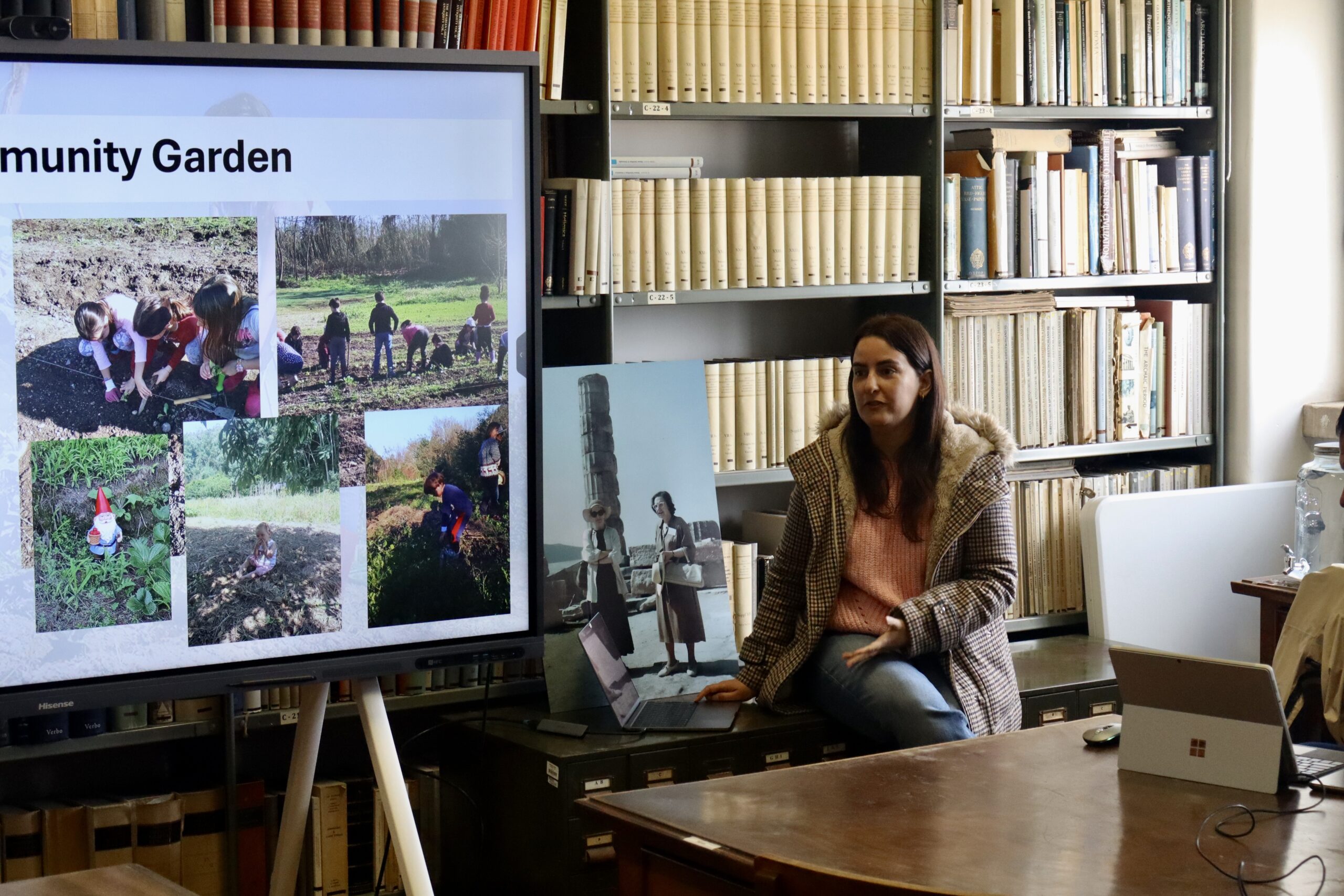
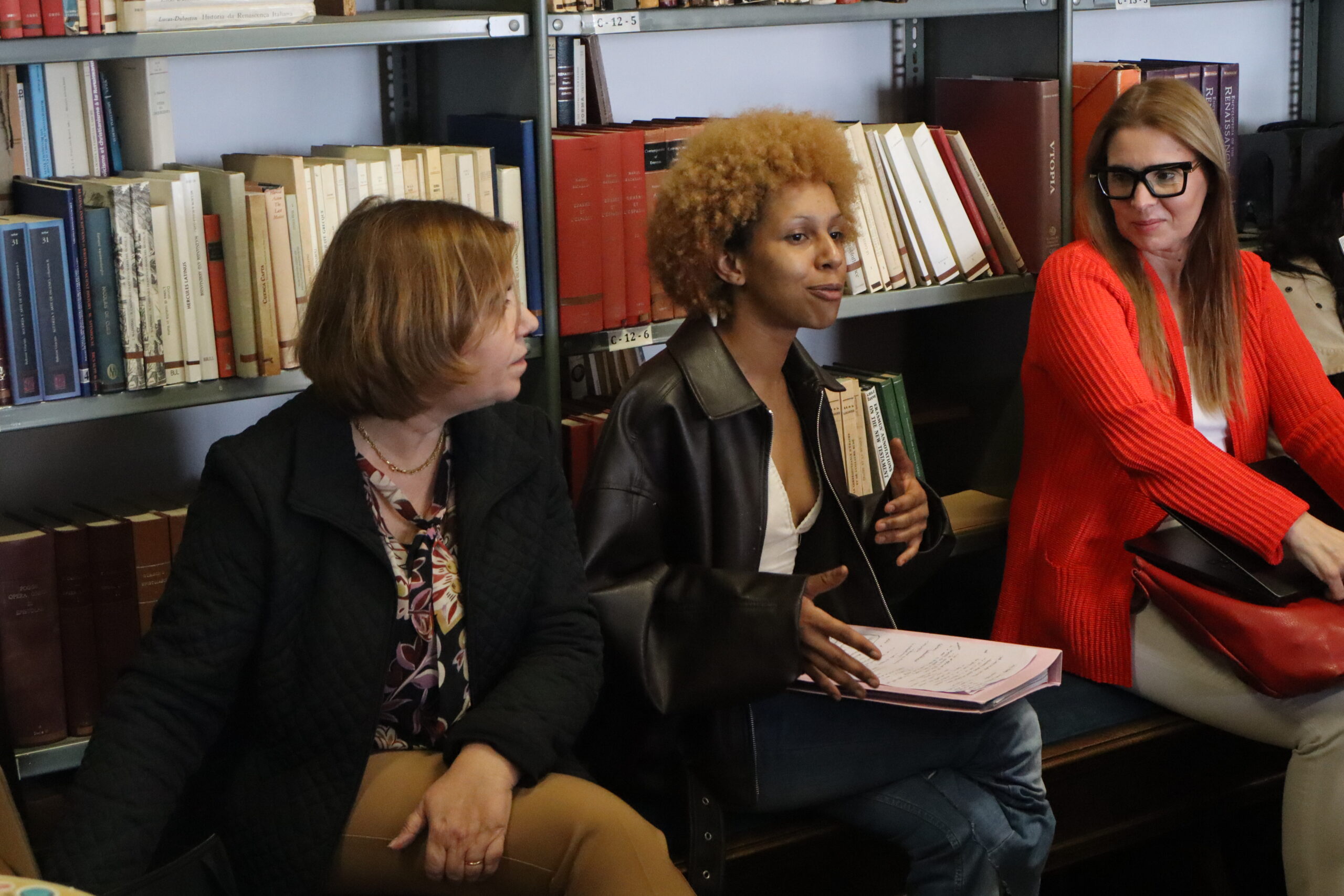
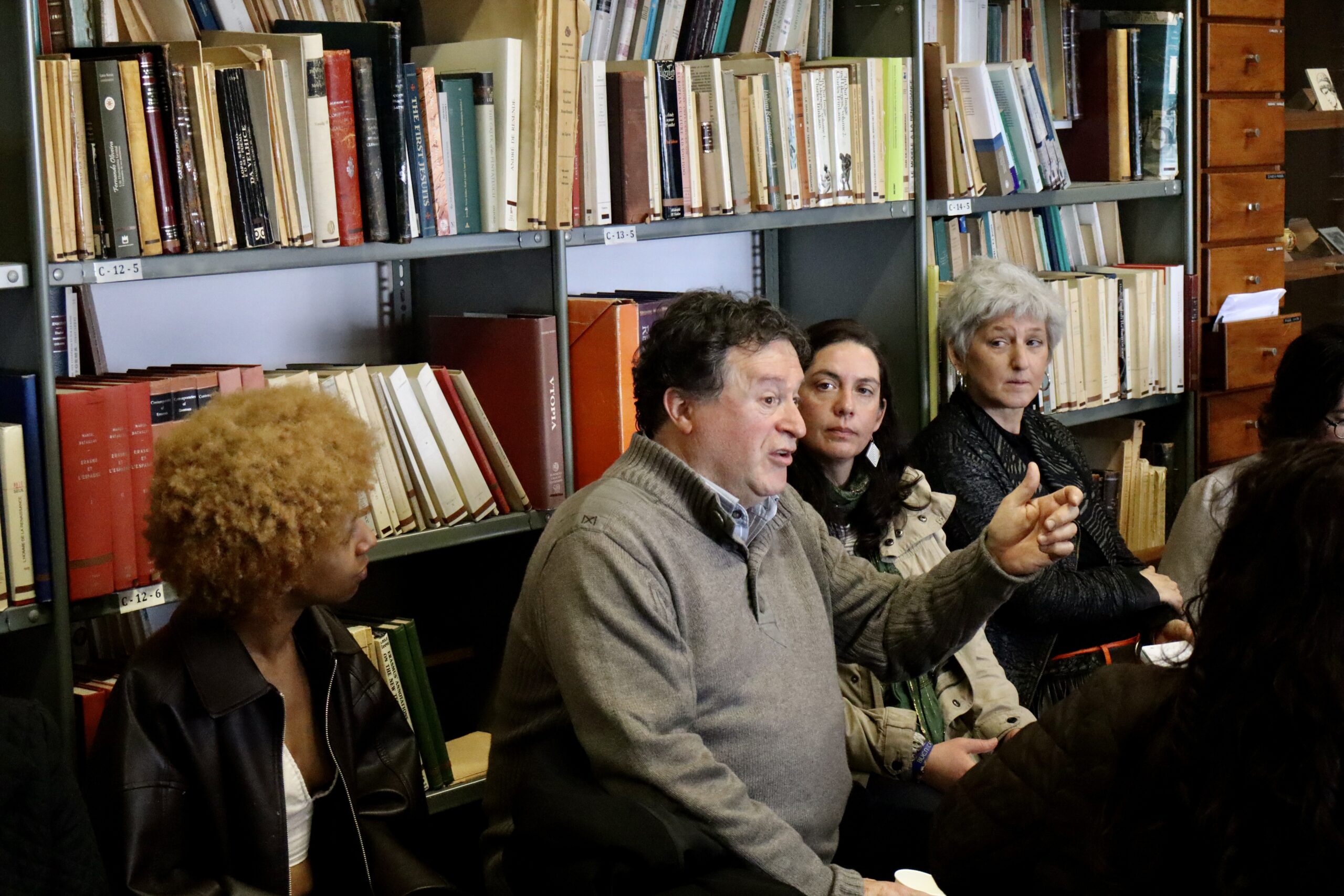
One of our aims behind fieldwork in Coimbra was to organise a moment to gather, share thoughts, ask questions, and address challenges concerning gardening in the contemporary moment – and to do so with an interdisciplinary group of people who bring diverse experiences and backgrounds. We were lucky to do so on March 13, 2026, when Justyna Jakubiec (Utrecht University) and Raúl Matta (Institut LYFE) hosted a workshop at the Centre for Classical and Humanistic Studies (CECH) at the University of Coimbra.
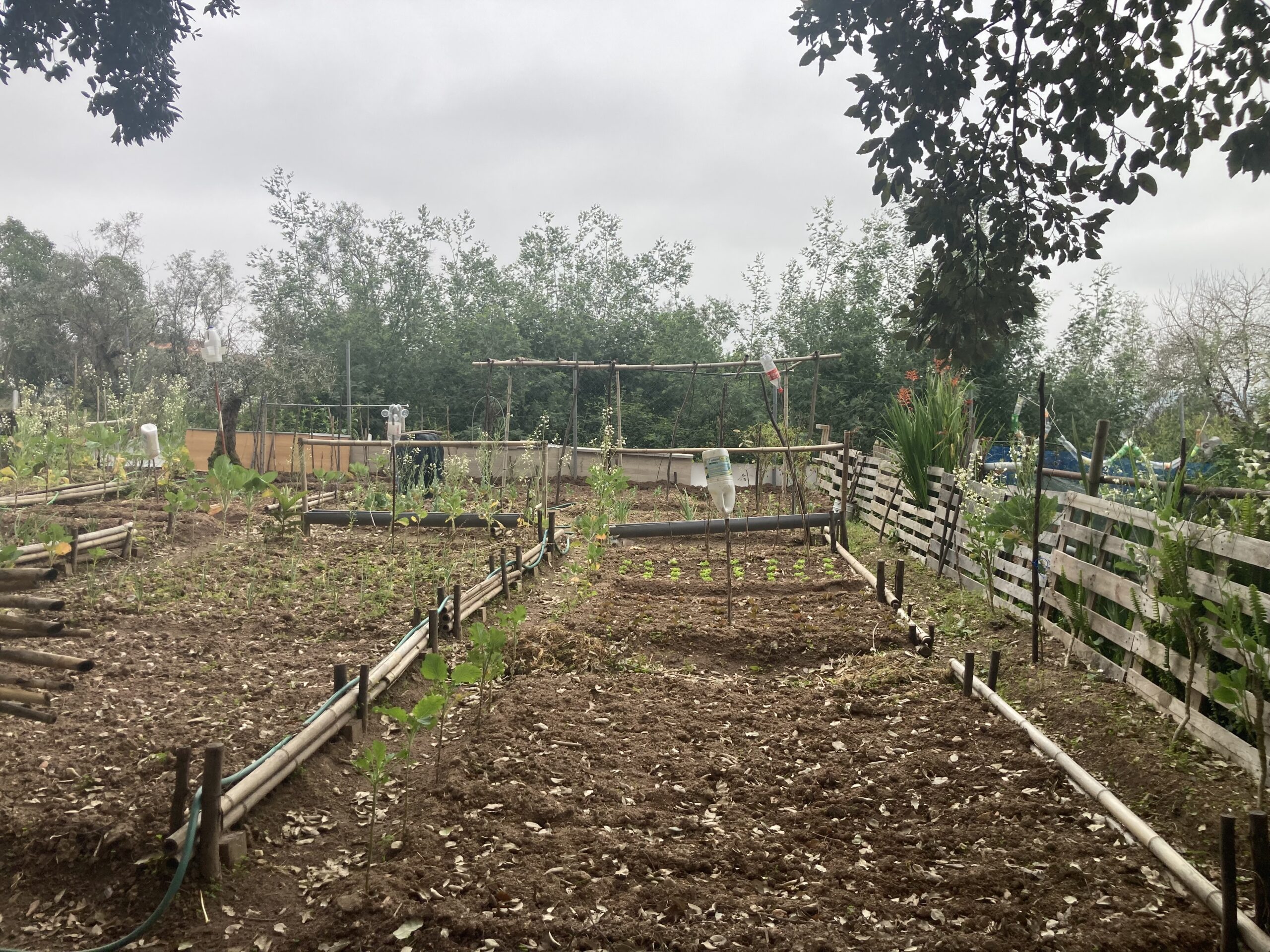
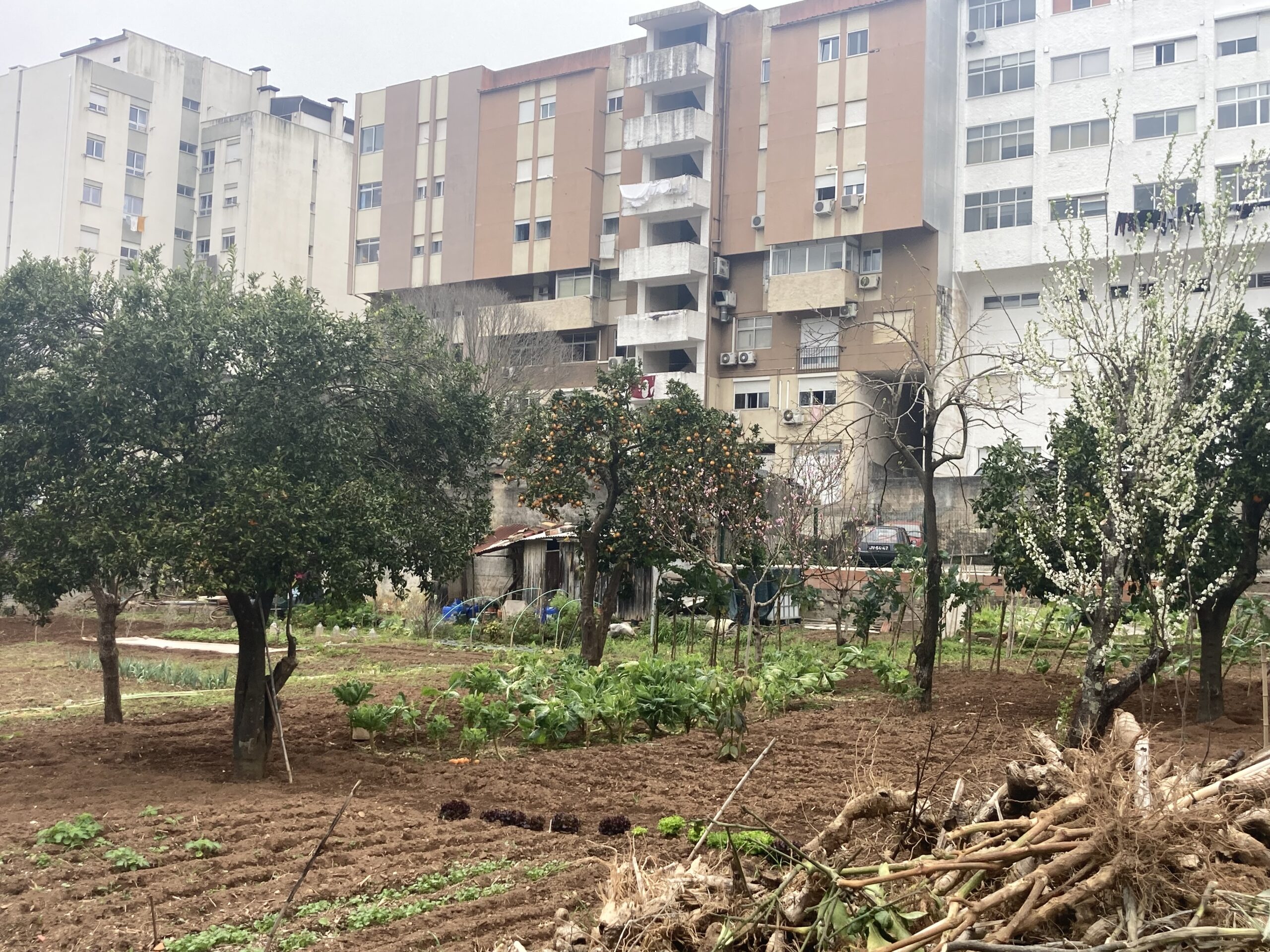
As we saw, gardening materialises in several spaces in the city – it is key to the Agrarian School of Coimbra and to community gardens on the banks of the Mondego River. At the same time, when we think of gardening in the city, we should think of the patrimony of Repúblicas, student community houses – characterised by struggles, spaces where the impossibility of gardening does not stem from a lack of space, but from a lack of broad recognition. All these are spaces where important questions are asked, and issues are raised – questions and issues that should be addressed more vocally.
We started the workshop by sharing our perspective on living heritage – a process rather than a stabilised body of knowledge. Such an approach allows us to prioritise experiences, to creatively reflect on the past, present and future, and to embrace change as a possibility rather than a hindrance. We reflected that, through The Open Garden and Intercropping Revisited, we strive to do exactly that: provide possibilities for engaging with how we think about the world, rather than just describing it.
At the same time, we were lucky to welcome and hear from Patrícia Esteves about her experiences at her community garden by the Mondego River, from Kiril Bahcevandziev about his experience as one of the professors at the Agrarian School of Coimbra, from a representative of the República Solar des Kapängas, and students of the PhD seminar on Food Heritage, run by Paula Barata Dias. During this gathering, we stressed that a garden in the city is a microcosm that makes us think of the macrocosm. It does include the risk of romanticising gardening and raises pertinent questions that became strong anchors for our discussion:
- Why should we, at all, engage with gardening in the city?
- What does it mean for a gardening space to be open – if it should be at all?
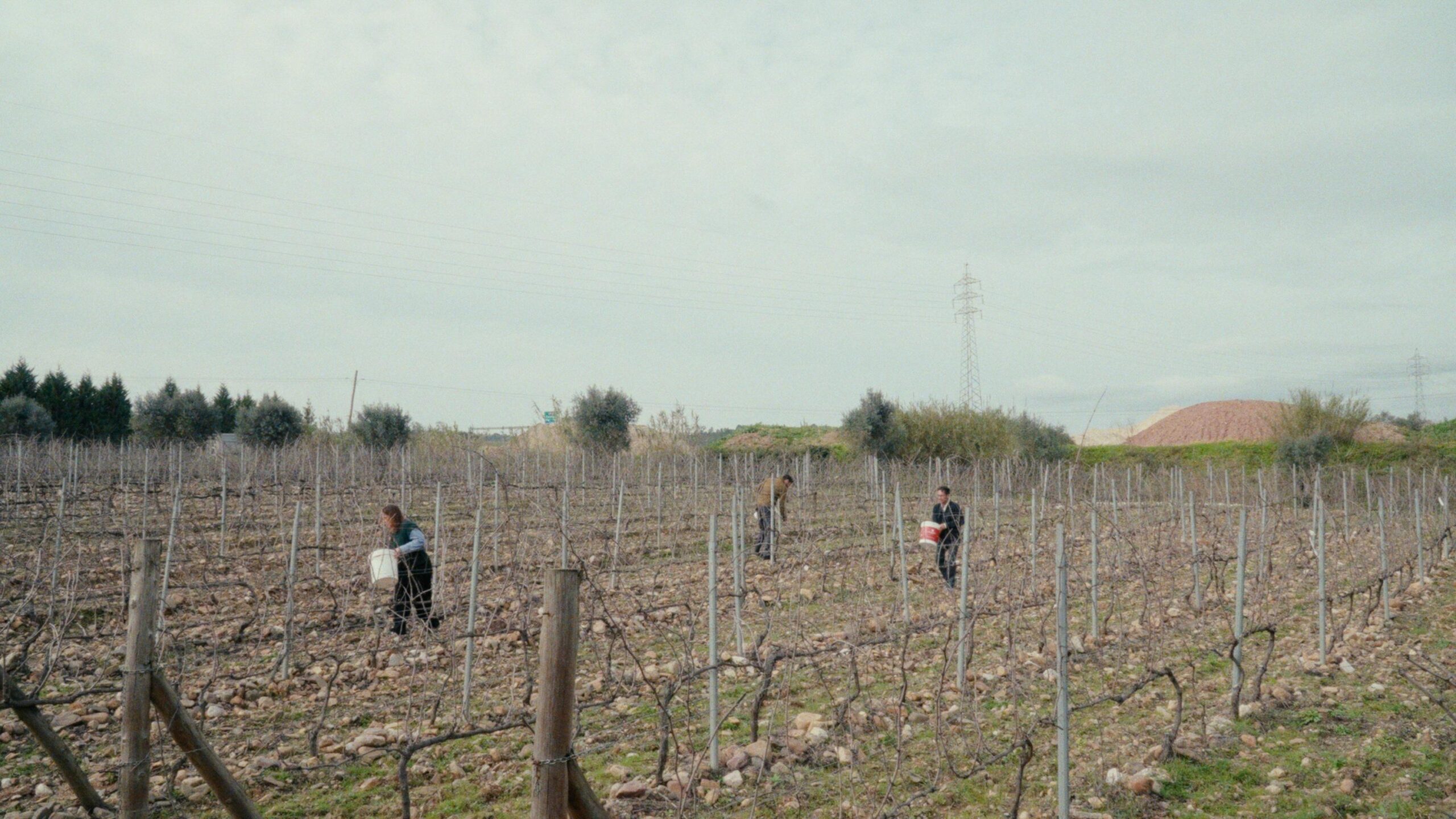
- How is intercropping a practice guided towards regeneration and adaptation?
- Open garden as a space of resilience and conviviality – possibility or utopia?
Our contemporary moment increasingly prompts us to embrace, engage with, and adapt to shifting ecological, climate and social changes. Traditional knowledges, forgotten practices, and old and emerging ways of gathering prompt us to remember and care for them. It is key to form moments for addressing this, which is crucial for us in CONVIVIUM. We thank everyone who participated in this workshop and made it possible!
Photos: Pedro León
Post collaborators: https://www.instagram.com/cech_fluc/
https://www.instagram.com/theuniplanet/