WORK MEETING AND 3D SCANNING IN COIMBRA
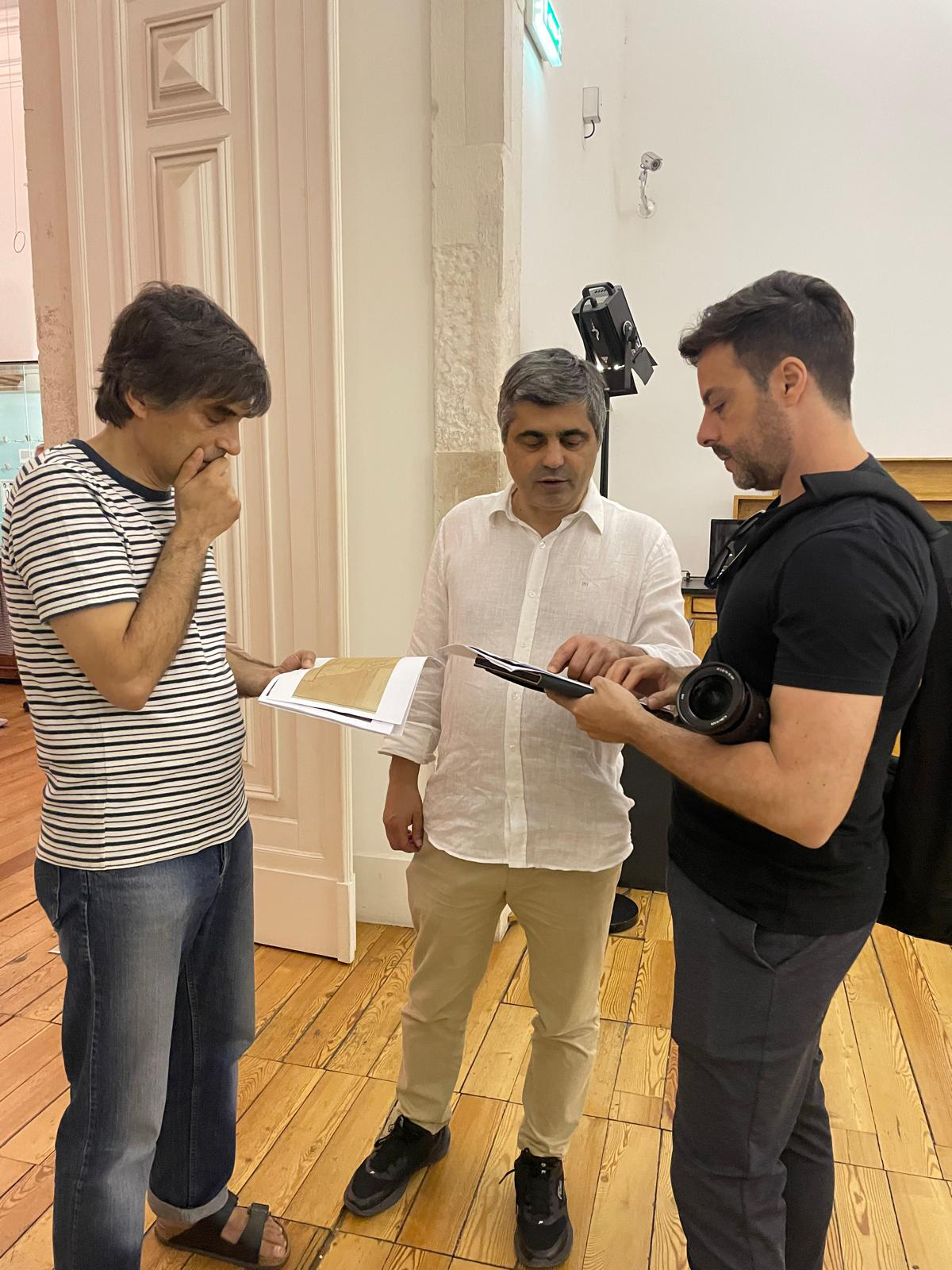
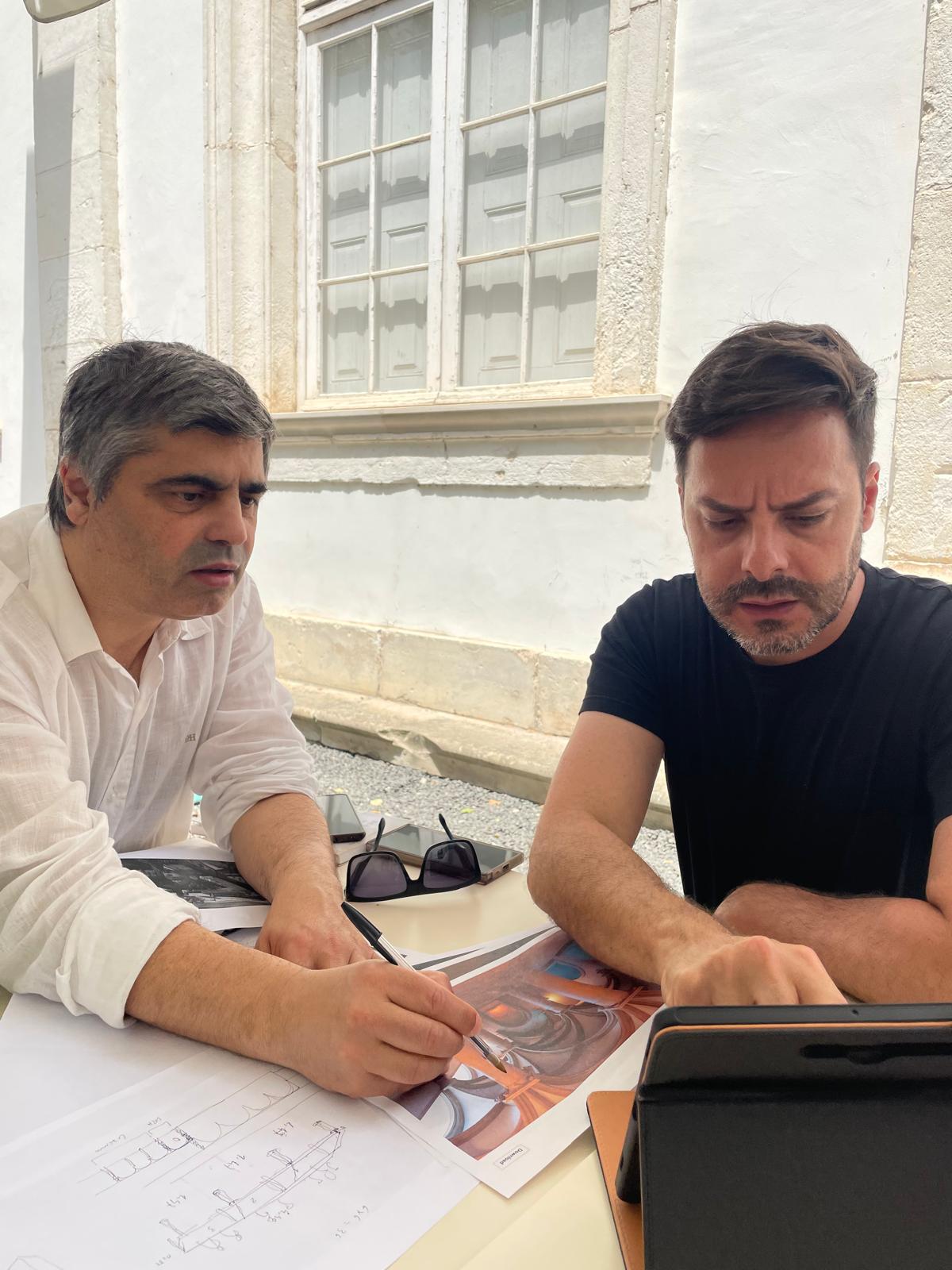
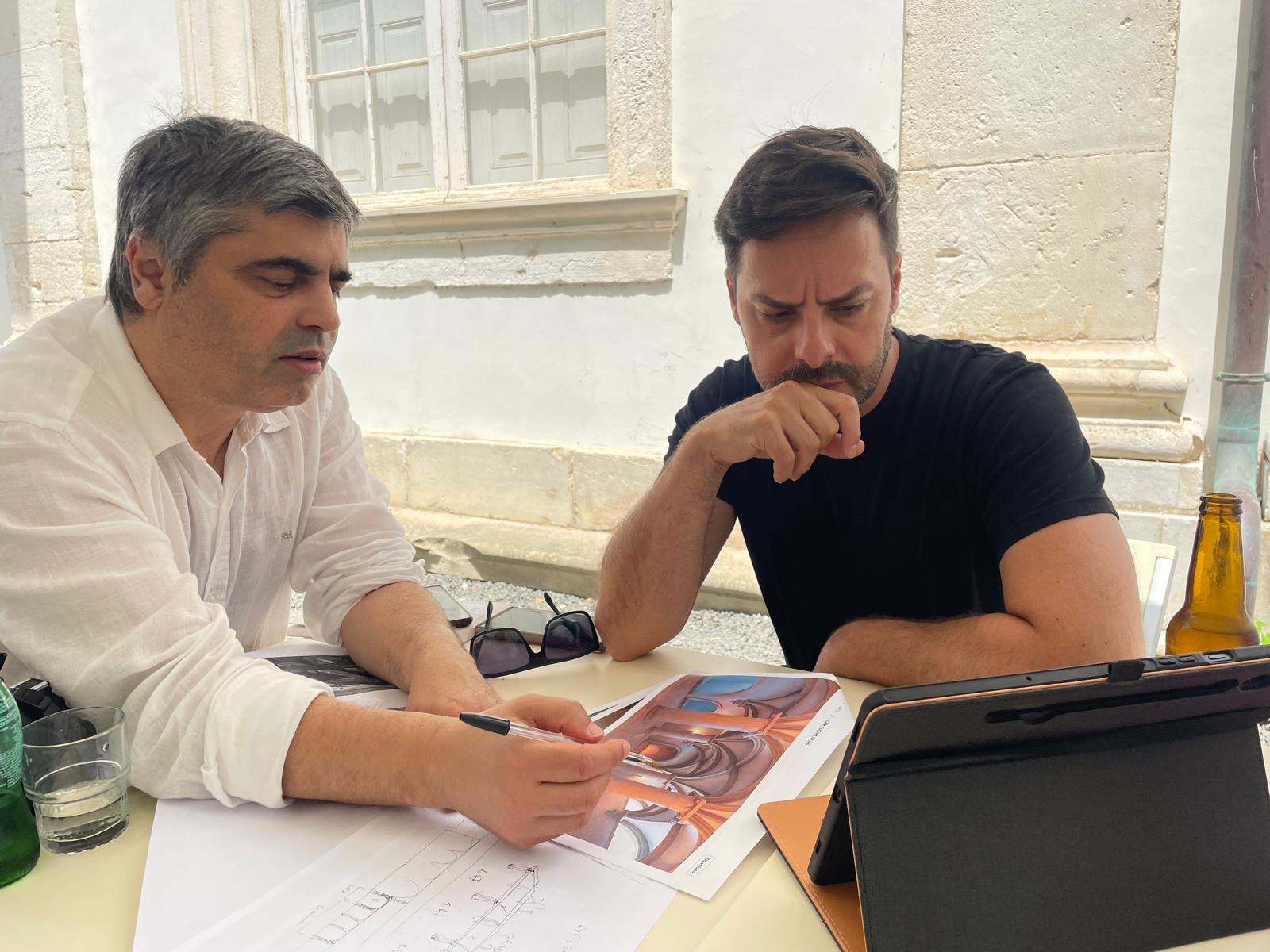
On June 13th, Work Team 3.4 of the Convivium project met at the University of Coimbra for a follow-up and coordination meeting. This meeting served as a key checkpoint to assess progress towards objectives and plan the next phases. The work session focused on consolidating collected data and executing one of the project’s most important technical tasks: the 3D laser scanning of historic spaces.
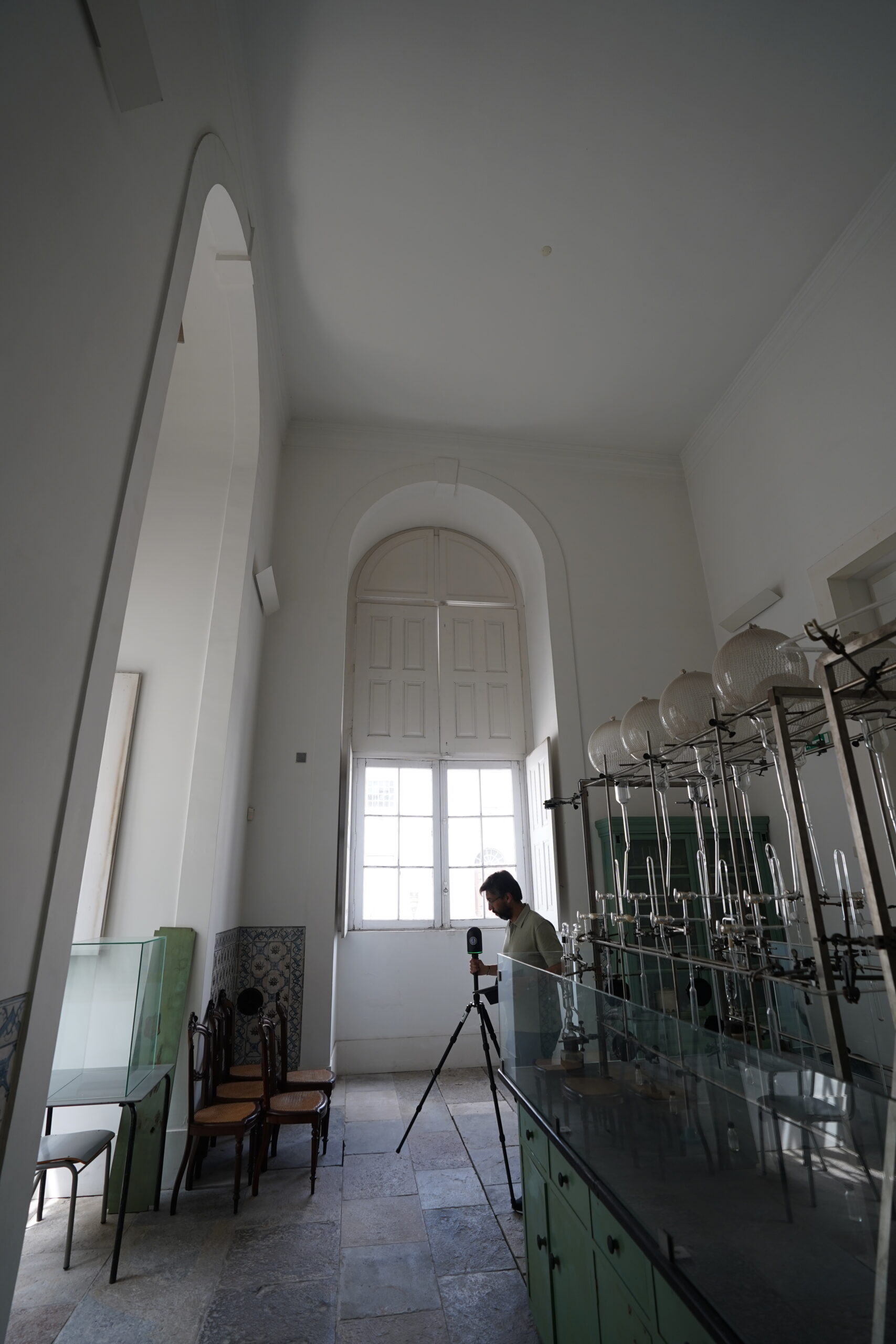
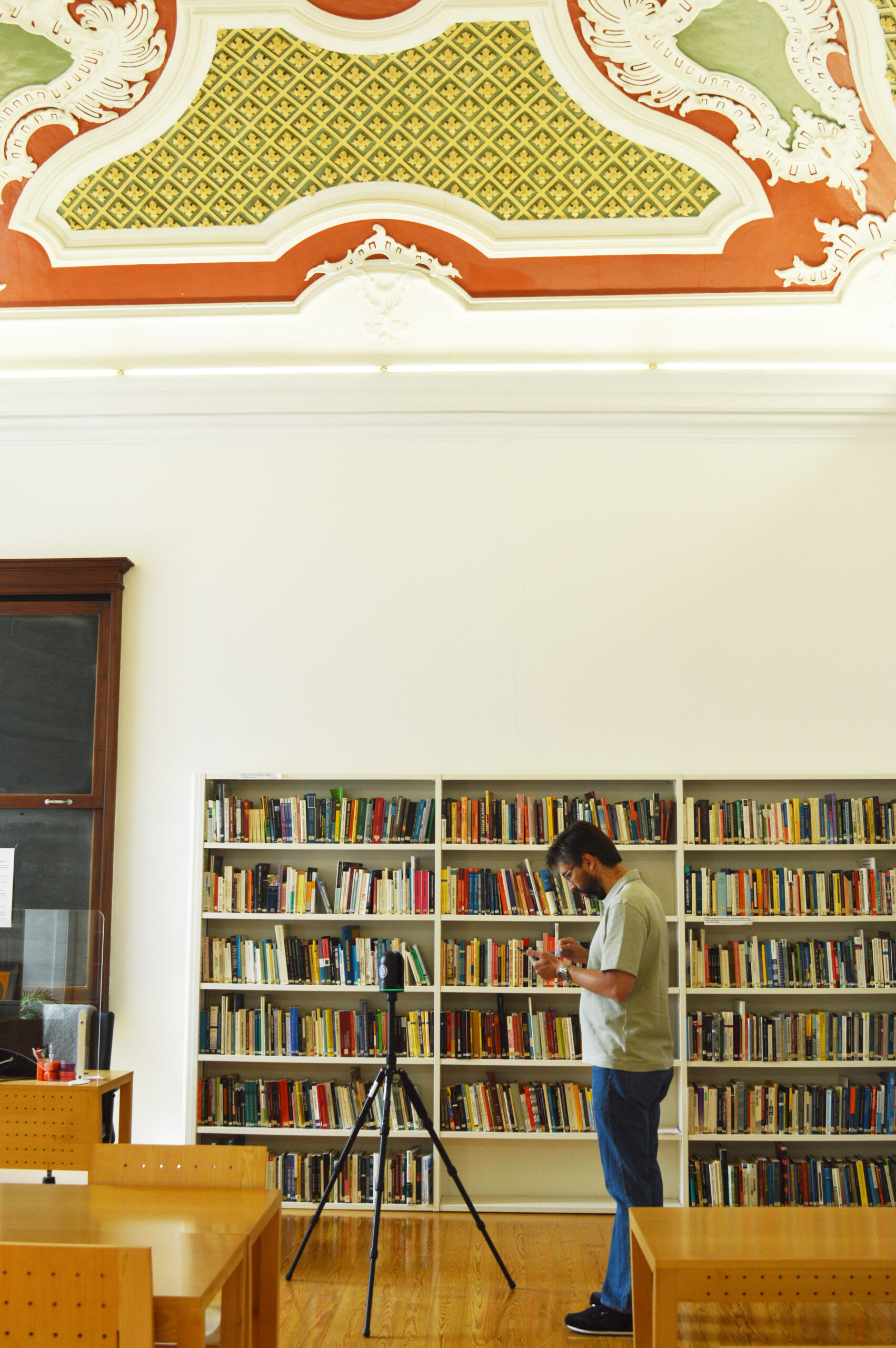
The main objective of the fieldwork was to create high-density point clouds of three historic refectories associated with the university and with the city, buildings of the UNESCO World Heritage Site property University of Coimbra – Alta and Sofia. Using a 3D laser scanner, the technical team captured millions of measurements to generate exact digital replicas of these spaces. This technique yields a three-dimensional model with sub-millimeter accuracy, which is essential for research, heritage conservation, and the development of immersive experiences. The point cloud provides the raw material from which the virtual models and the project’s future augmented reality application will be built.
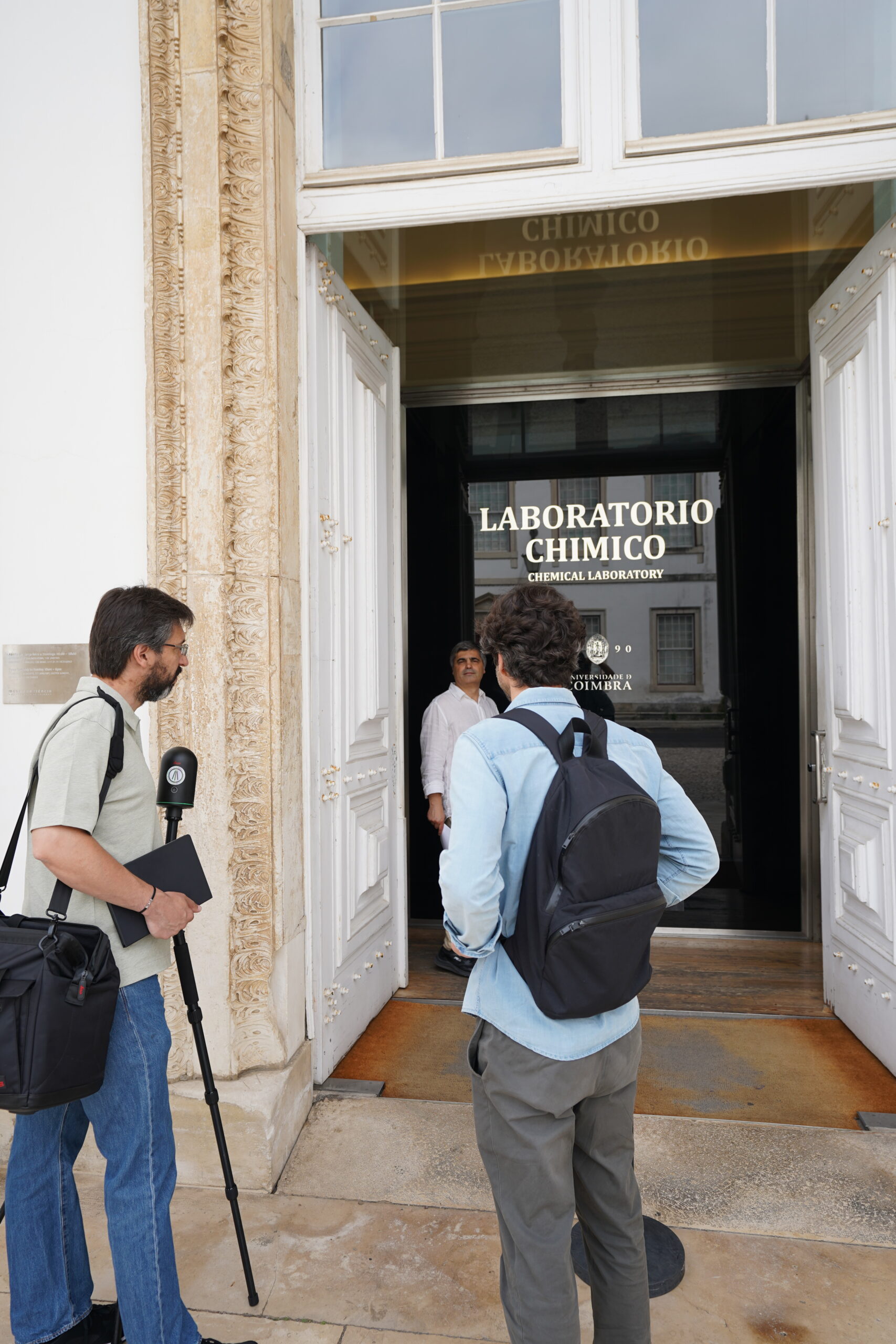
The scanning work was carried out in three locations selected for their historical and architectural value. The first was the refectory of the Monastery of Santa Cruz, a space of great significance. The second site was the university’s Chemistry Laboratory (“Laboratorio Chimico”), currently the Science Museum of the University of Coimbra, which occupies the space of a former Jesuit refectory (the refectory of Jesus College and Arts College) and shows the evolution and reuse of structures over time. Finally, the team moved to the refectory of the São Jerónimo College (St. Jerome College) to complete the data capture.
Key team members participated in this project phase, including Ilde Rodríguez, head of 3D visualization, who is in charge of converting the raw data into coherent models. Sergio Rebelo, in turn, focuses on structuring these models into a narrative sequence to guide the user experience. Historical and heritage accuracy was supervised by Rui Lobo, who ensured that the digital reconstruction would respect the integrity and archaeological evidence of the actual buildings.
In conclusion, the meeting in Coimbra marked a decisive milestone, successfully completing the data capture phase and validating the quality of the base material. With the point cloud now complete, the project is advancing to the development stage of the interactive experience.